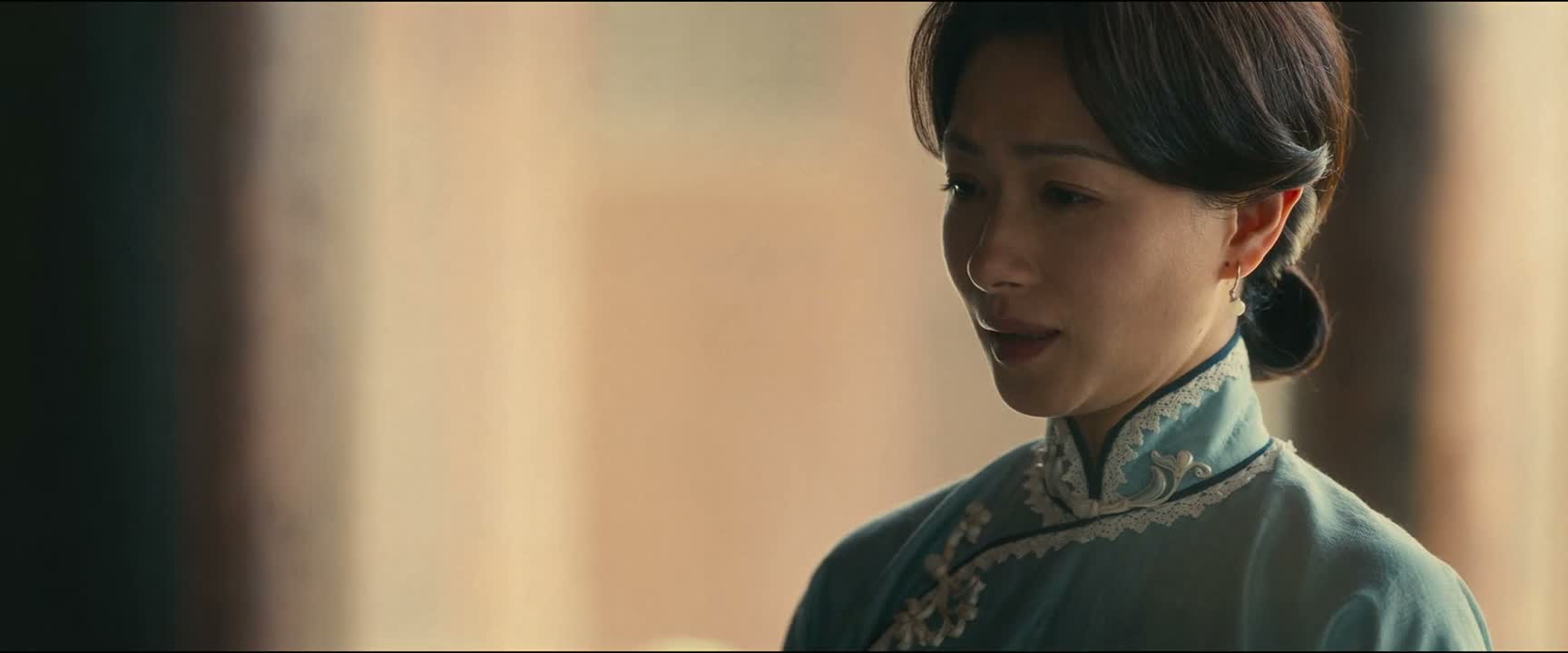
我以为你就回老家了呢
“to your hometown after we had a meal last week.”
THE DIALOGUE REEL
上周吃完饭
“I thought you had gone back”
我以为 你就 回老家了 呢
“to your hometown after we had a meal last week.”
你把门关了呀
“Close the door.”
Direct spoken expression in this communicative setting.
In Chinese society, returning to one's hometown (老家) is a common explanation for sudden absences, reflecting strong migrant worker and urban-transient dynamics.
LEARNING CHUNKS & PARTICLES
I thought; I assumed (mistakenly)
Crucial pattern used specifically when the speaker's prior belief turns out to be contrary to reality.
return to one's hometown
A highly frequent expression in China referring to traveling back to one's ancestral or native city/village.
Softens the assertion while expressing lingering surprise and mild curiosity about the misconception.
VOCABULARY & EXPRESSIONS
Parallel Spoken Cinema Scenes (语义近邻切片)
“Which hometown do you want me to return to?”

“I want to visit my hometown.”

“I'll have her read for you both. That's good.”

“We didn't get together after you came back from your hometown last time.”

“How come you figured it out as soon as you went back home?”

“Just act like we bumped into each other”