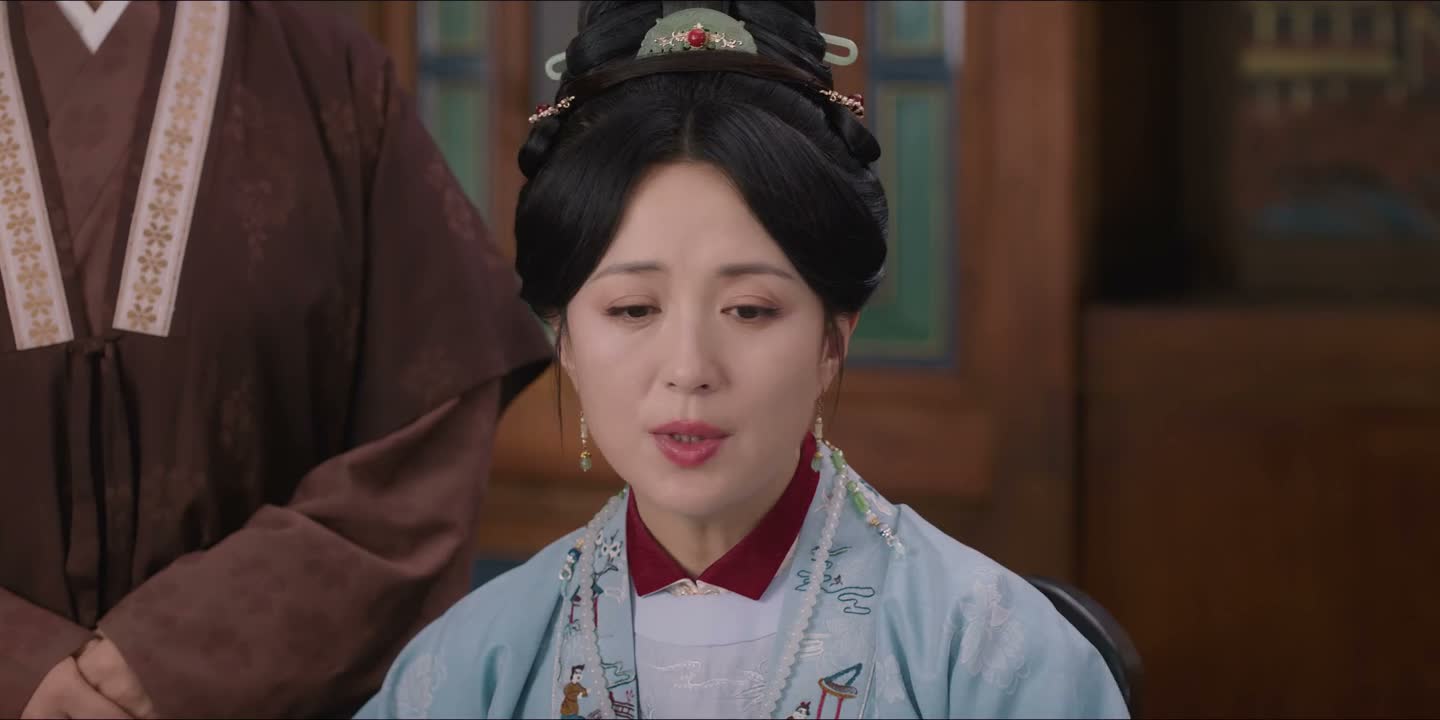
就让她在这守孝 真当这儿是 朝姐儿的家呢
“She just let her mourn here. Does she really think this is Zhao's home?”
THE DIALOGUE REEL
“She didn't even consult me, the lady in charge of the house.”
就 让她 在这 守孝 真当 这儿是 朝姐儿的家呢
“She just let her mourn here. Does she really think this is Zhao's home?”
尧哥儿呢
“Where is Yao?”
“Who does she think she is, acting like she owns this place without my permission?”
In imperial Chinese gentry households, where one observes mourning involves strict rules and the explicit consent of the primary mistress (dangjia taitai); bypassing her is a direct challenge to her status.
LEARNING CHUNKS & PARTICLES
observe filial mourning
Historical cultural term referring to the customary period of mourning for deceased parents or kin.
really take (something) as / genuinely assume that
Used rhetorically to ridicule someone for holding an absurd or presumptuous assumption.
Conveys rhetorical indignation and intensifies the mocking question.
VOCABULARY & EXPRESSIONS
Parallel Spoken Cinema Scenes (语义近邻切片)

“Zhao just returned home.”

“let alone Jinzhao, even Lian wouldn't be a match for you.”

“This Zhao is really unreasonable.”

“and Jinzhao kept pressing.”
“I don't think she's completely wrong.”

“to marry Jinzhao to him after he passes the exams later.”