我这脾气怎么了 我这脾气
“What's wrong with my temper?”
THE DIALOGUE REEL
我这脾气
“My temper?”
我这脾气怎么了 我这脾气
“What's wrong with my temper?”
什么态度这是
“What kind of attitude was that?”
“You think my attitude is a problem? I'll show you what a real problem looks like!”
In Chinese interpersonal disputes, focusing on an opponent's 'attitude' (taidu) rather than the issue often triggers defensive anger, leading to repetitive rhetorical defiance.
LEARNING CHUNKS & PARTICLES
what is wrong with...; what about it?
Commonly used in heated arguments to reject an implicit criticism and invite confrontation.
my temper; my attitude
A spoken phrase repeated for rhythmic emphasis when feeling offended or cornered.
Completes the rhetorical question structure indicating an abrupt, argumentative tone.
VOCABULARY & EXPRESSIONS
Parallel Spoken Cinema Scenes (语义近邻切片)
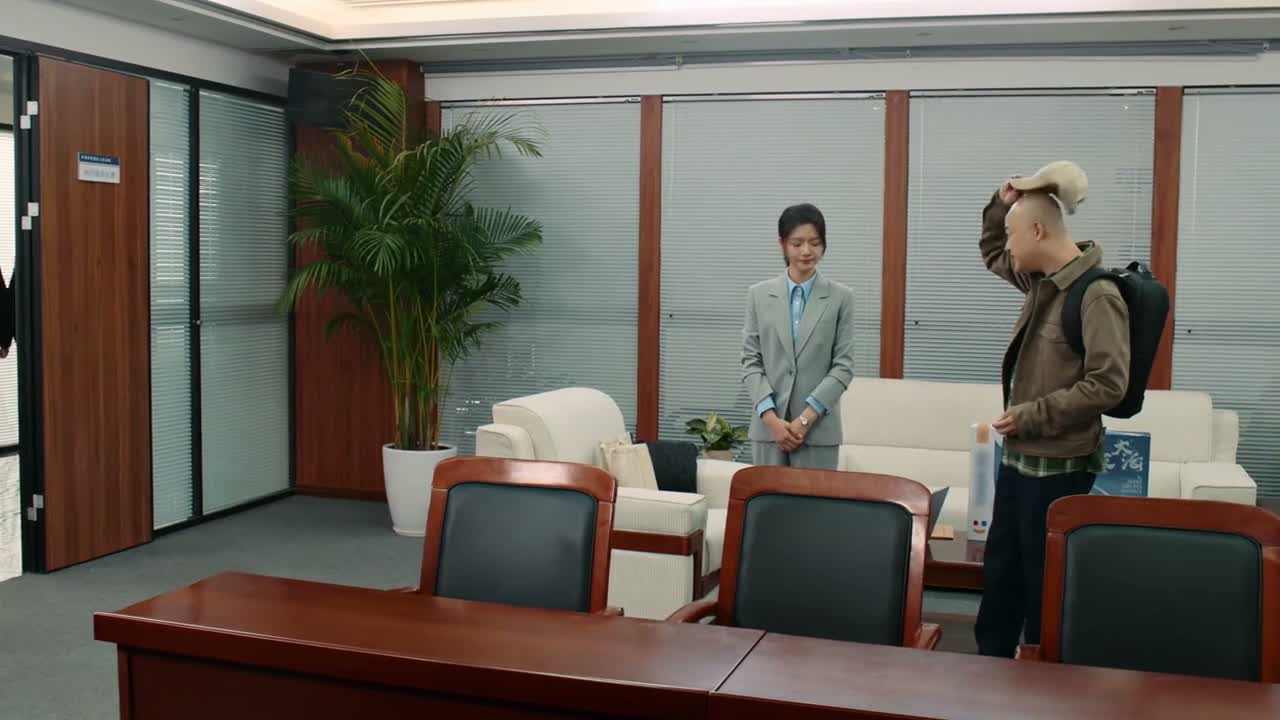
“What's wrong with my temper? Seriously?”

“My temper? What's wrong with my temper?”

“My temper? What's wrong with my temper? Seriously?”

“his temper was even worse than it is now. So that girl must have a pretty good personality.”

“And they say I have a bad temper. Is this really about my temper?”