我这脾气 我这脾气怎么了 我这脾气
“My temper? What's wrong with my temper? Seriously?”
THE DIALOGUE REEL
我这脾气 我这脾气 怎么了 我这脾气
“My temper? What's wrong with my temper? Seriously?”
“What kind of attitude was that? He is definitely in cahoots with Lin Yanping.”
“Don't you dare blame my temper—you're the one who pushed me to this point!”
Repeating the opponent's criticism back at them in rhetorical question form ('...怎么了') is a quintessential spoken Chinese tactic to reject moral or behavioral fault during arguments.
LEARNING CHUNKS & PARTICLES
what is wrong with...?; so what?
Used here with an assertive, rising intonation to push back against criticism or assert that nothing is wrong with what was criticized.
my temper; this personality of mine
A spoken colloquial phrase referring to one's own short fuse or stubborn disposition, often used when feeling challenged.
Functions in '怎么了' to construct a rhetorical probe challenging the other person's criticism.
VOCABULARY & EXPRESSIONS
Parallel Spoken Cinema Scenes (语义近邻切片)

“My temper? What's wrong with my temper?”
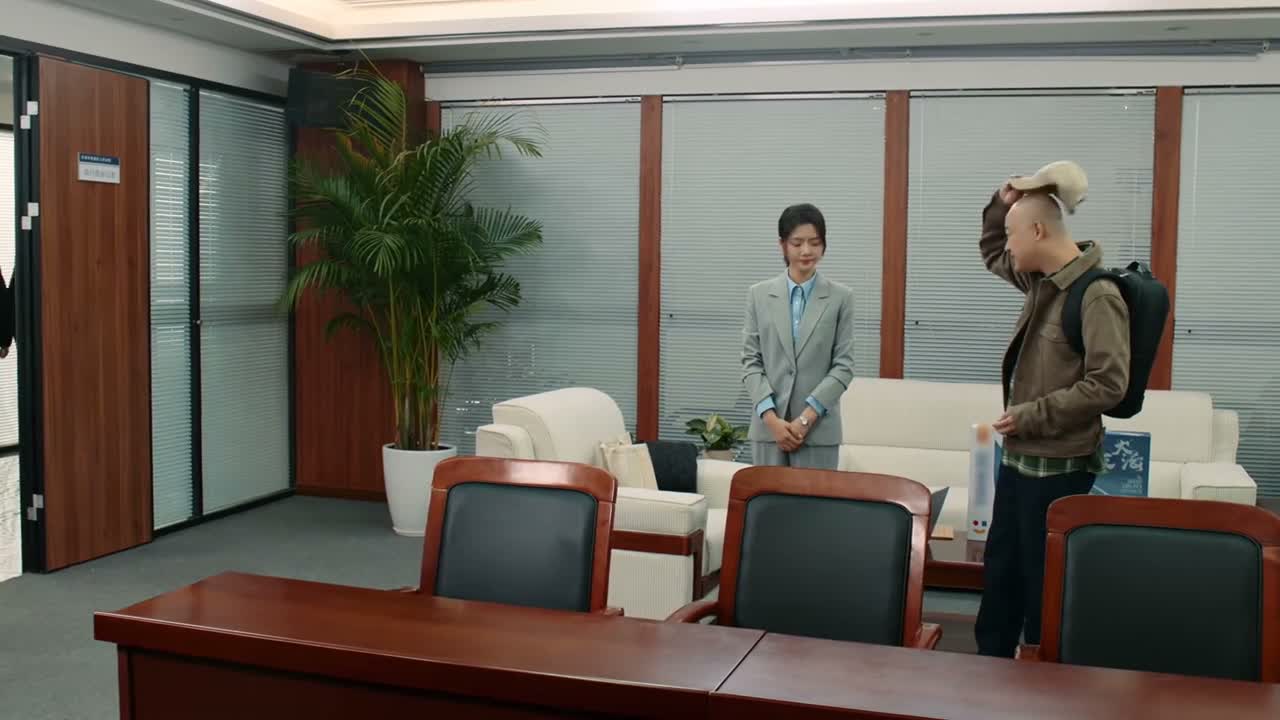
“What's wrong with my temper?”
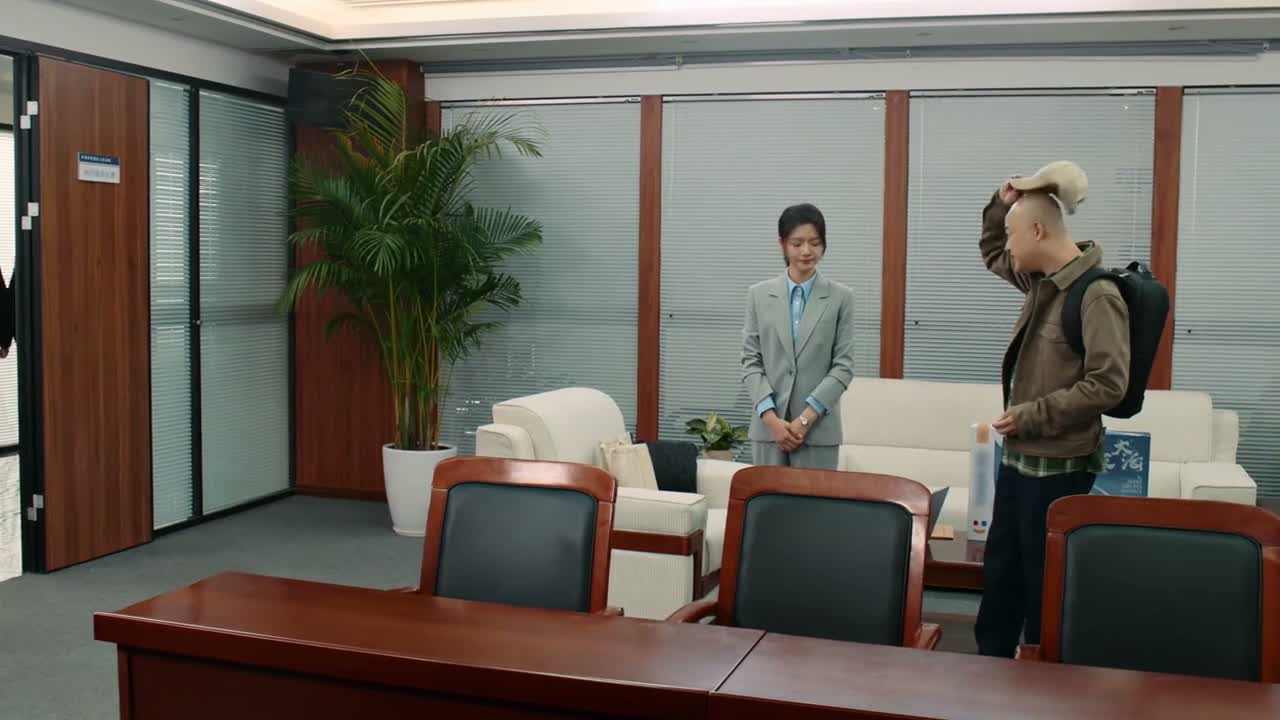
“What's wrong with my temper? Seriously?”

“And they say I have a bad temper. Is this really about my temper?”