我这脾气怎么了 我这脾气
“What's wrong with my temper? Seriously?”
THE DIALOGUE REEL
我这脾气
“My temper?”
我这脾气怎么了 我这脾气
“What's wrong with my temper? Seriously?”
什么态度这是
“What kind of attitude was that?”
“You think I have a bad attitude? I have every right to be mad!”
When personal demeanor or manners ('态度') are directly questioned in public or semi-private contexts, speakers frequently respond with increased hostility to avoid showing weakness.
LEARNING CHUNKS & PARTICLES
what about it?; what's the problem?
Placed after a noun phrase to convey a pugnacious challenge, essentially asking 'what's your problem with that?'.
Completes the idiomatic rhetorical challenge '怎么了', signaling defiance.
VOCABULARY & EXPRESSIONS
Parallel Spoken Cinema Scenes (语义近邻切片)
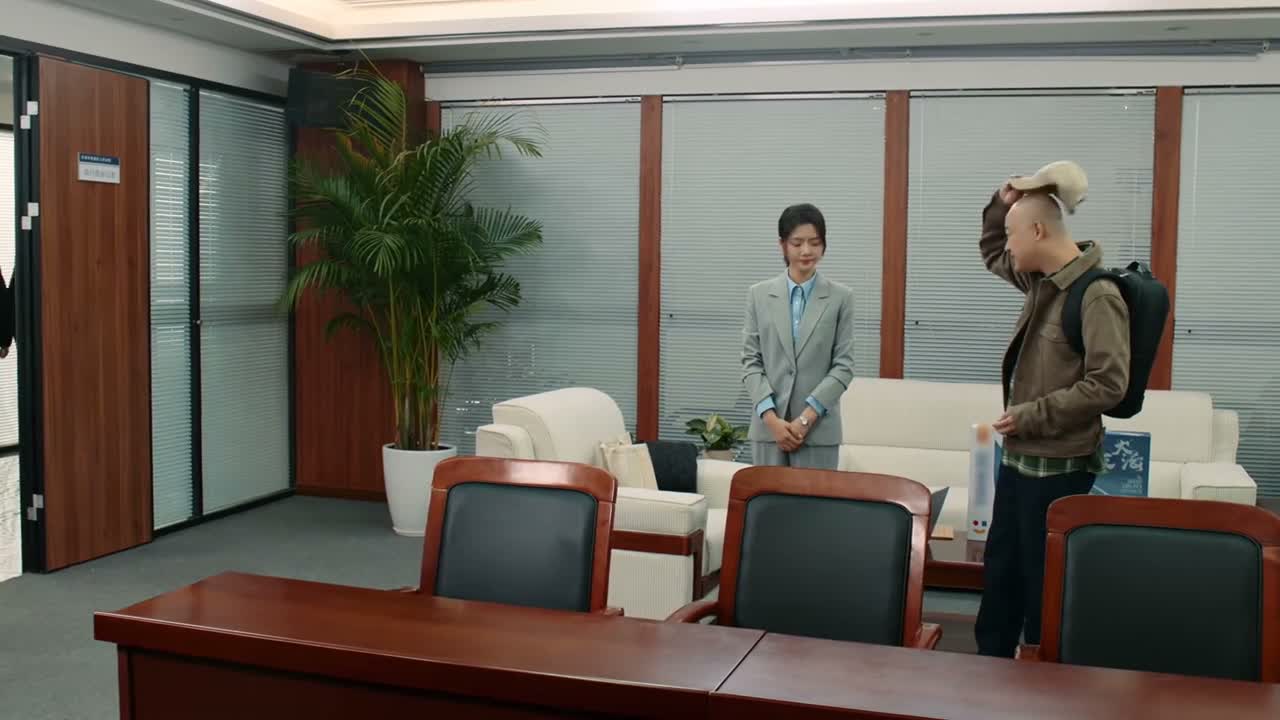
“What's wrong with my temper?”

“My temper? What's wrong with my temper? Seriously?”

“My temper? What's wrong with my temper?”

“his temper was even worse than it is now. So that girl must have a pretty good personality.”

“And they say I have a bad temper. Is this really about my temper?”