还说我脾气不好 这是我脾气的事吗
“And they say I have a bad temper. Is this really about my temper?”
THE DIALOGUE REEL
刚才还在楼下找停车位 怎么又跑河边去了
“They were looking for parking, then they're down by the river?”
还说 我 脾气不好 这 是我脾气的事吗
“And they say I have a bad temper. Is this really about my temper?”
“She's literally pulling a stunt at the court's front door.”
“Stop blaming my attitude—anyone would lose their mind dealing with this nonsense!”
In Chinese domestic conflicts, accusing someone of 'bad temper' (脾气不好) is a common tactic to divert attention from substantive wrongdoing, prompting fierce pushback.
LEARNING CHUNKS & PARTICLES
have a bad temper; easily angered
A very common Chinese description for someone prone to irritation or outbursts.
is this really a matter of...?
A rhetorical question pattern used to deny that the named issue is the real cause of the problem.
Forms a sharp rhetorical question challenging the opponent's premise.
VOCABULARY & EXPRESSIONS
Parallel Spoken Cinema Scenes (语义近邻切片)

“My temper? What's wrong with my temper?”
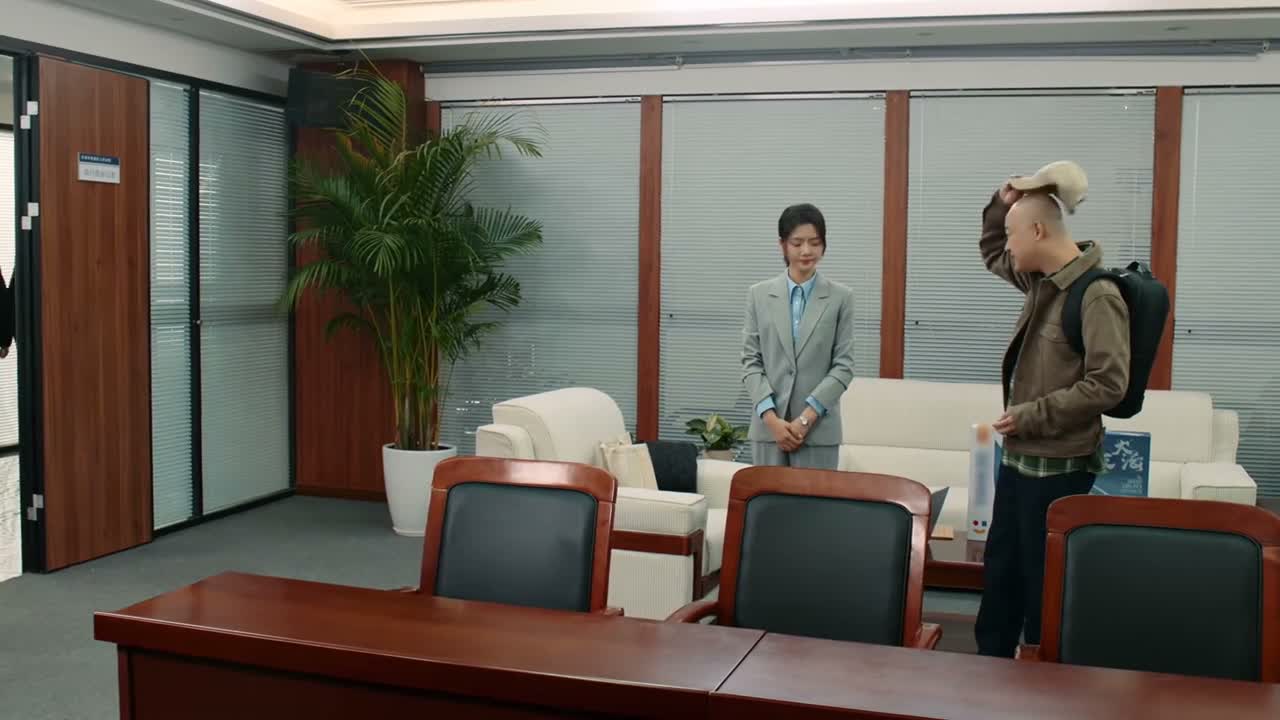
“What's wrong with my temper?”

“My temper? What's wrong with my temper? Seriously?”
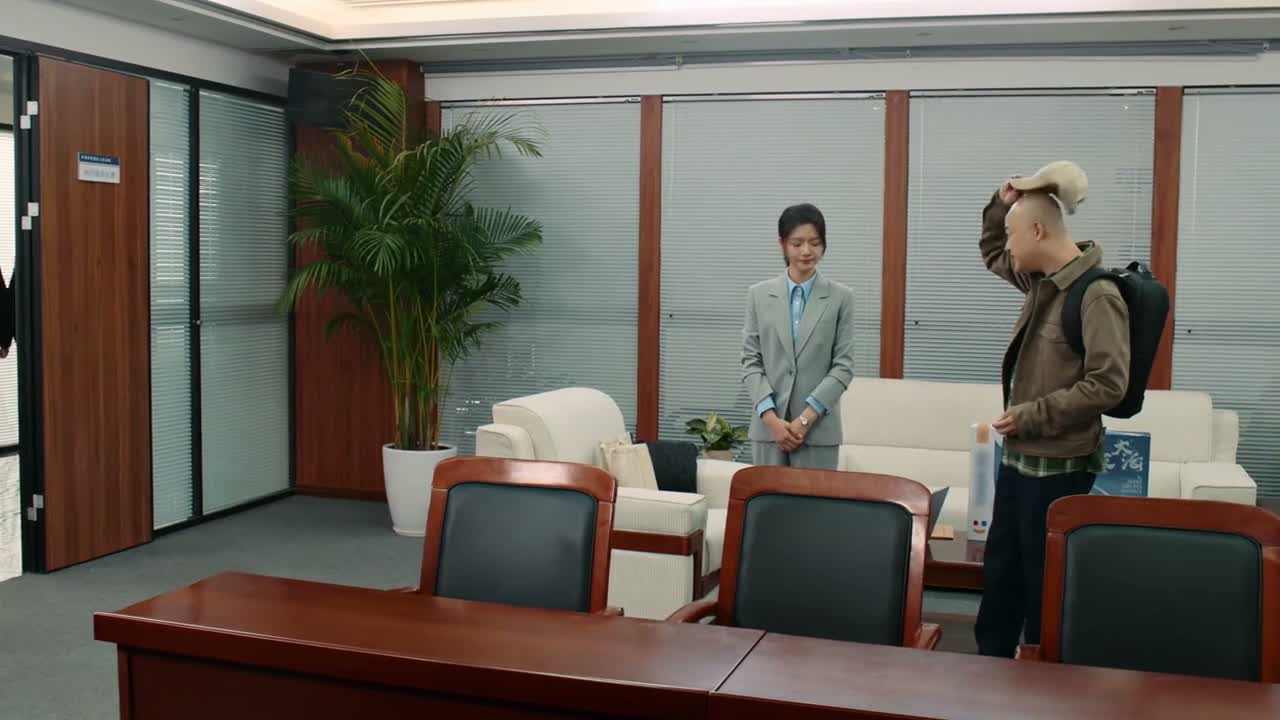
“What's wrong with my temper? Seriously?”
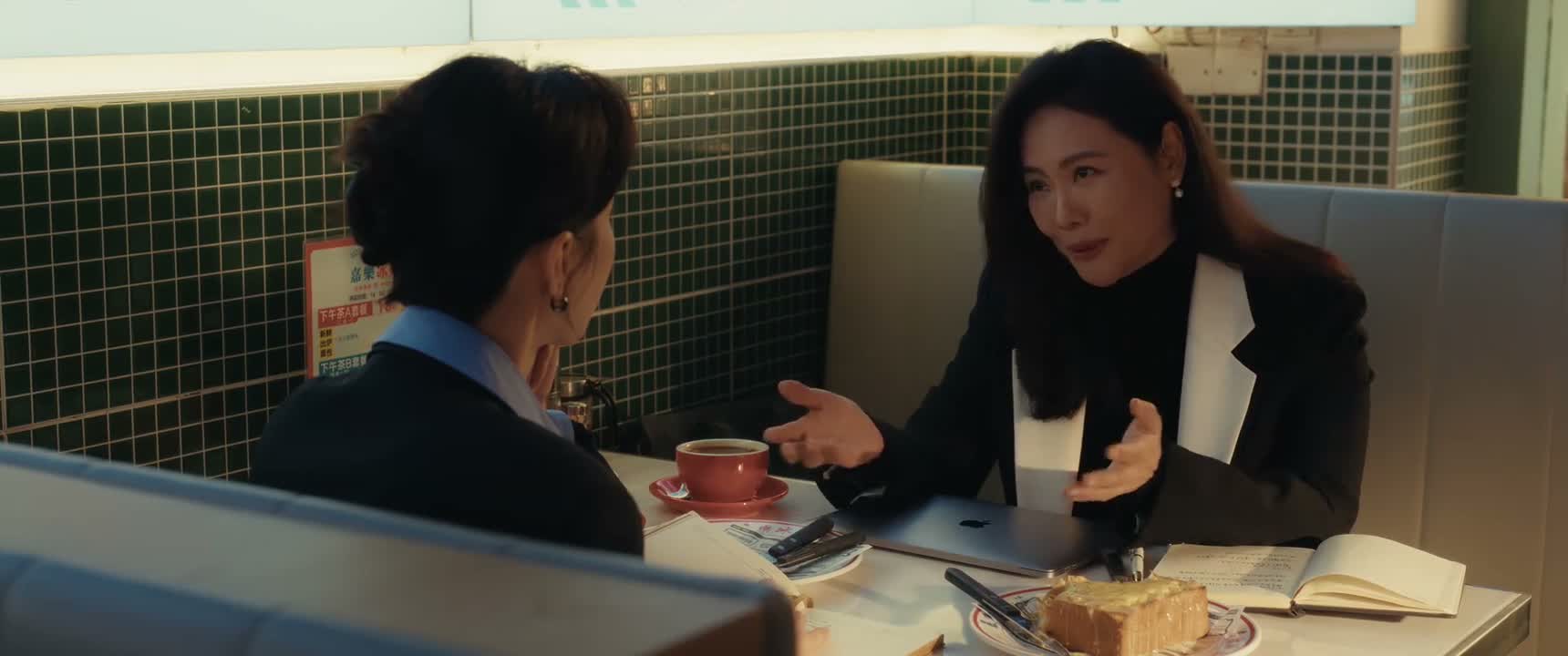
“Of course I lose my temper.”