那脾气比现在还硬 那说明这女孩性格挺好的嘛
“his temper was even worse than it is now. So that girl must have a pretty good personality.”
THE DIALOGUE REEL
你们不知道 老肖在美国的时候啊
“You don't know this, but when Xiao was in America,”
那脾气比现在还硬 那说明这女孩性格 挺好的 嘛
“his temper was even worse than it is now. So that girl must have a pretty good personality.”
“But no matter how good her personality is, she can't be as...”
“Having a strong temper isn't bad—it shows she has real backbone.”
In contemporary Chinese culture, being 'firm' or 'stubborn' is often favorably reinterpreted as being authentic, unpretentious, and principled.
LEARNING CHUNKS & PARTICLES
stubborn temper; tough personality
Describes someone unyielding, firm, or difficult to intimidate.
that shows; that indicates
Used to introduce an inference or deduced conclusion based on preceding evidence.
Suggests that the conclusion is obvious or should be clear to everyone.
VOCABULARY & EXPRESSIONS
Parallel Spoken Cinema Scenes (语义近邻切片)
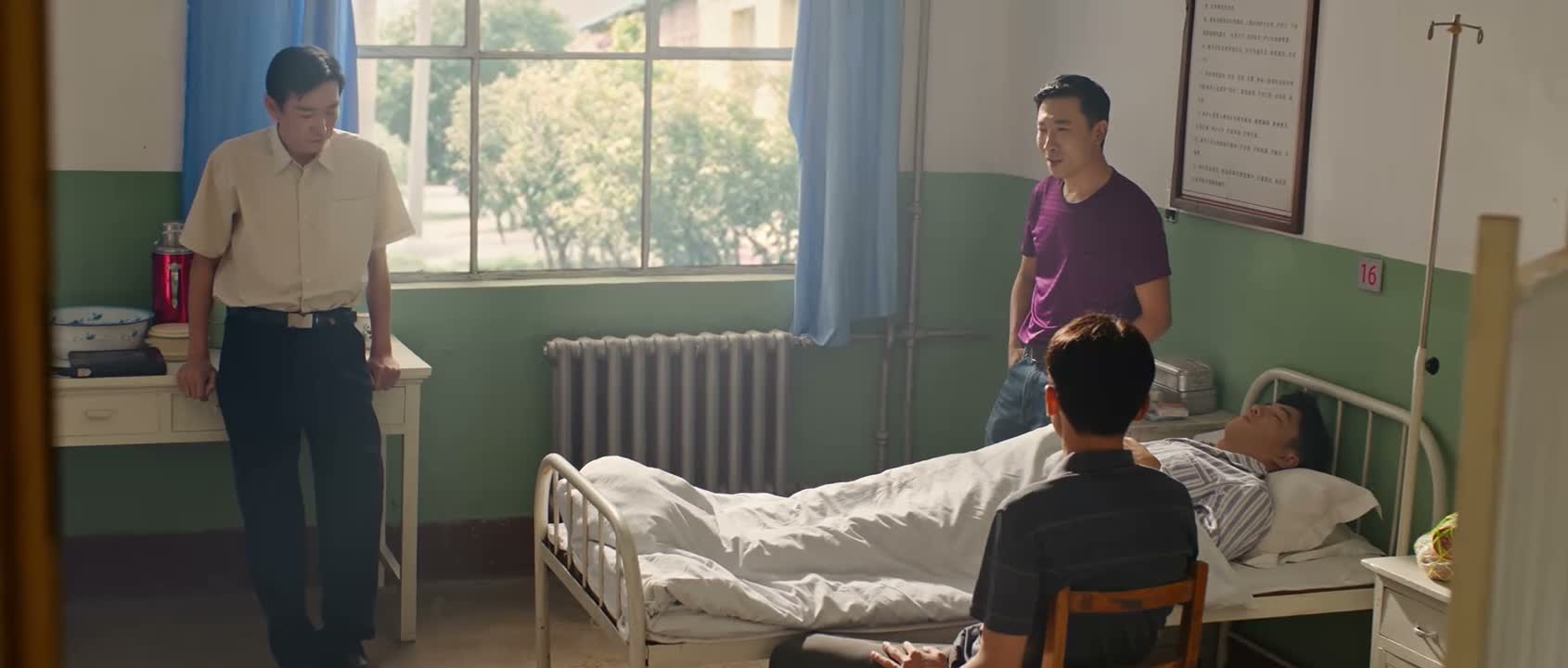
“I feel like my personality”

“You are just as stubborn as when you were a child.”

“With your precious daughter's stubborn personality,”

“She has personality, a bit of a temper, and she's independent. The key is, she can do anything.”

“I told you to toughen up, and you sure caught on fast. Try using it at home instead.”

“With the temper your son has now, he won't bother to lie to you.”

“What's wrong with my temper?”

“He's obviously got a terrible temper. His family must have spoiled him.”

“My dad has a good temper.”

“You know her temper too.”

“Who does he get that temper from?”

“looks quite overbearing and forward.”

“She was so stubborn.”

“What's wrong with my temper? Seriously?”

“You know her temperament best.”

“has been stubborn since she was little.”

“Although her temper isn't great, she has a very good heart.”