前任教主还没发疯的时候
“that before the former chief went mad,”
THE DIALOGUE REEL
听我爷爷说
“I heard from my grandfather”
前任教主 还没 发疯 的时候
“that before the former chief went mad,”
离教过得可好了
“Li Sect lived very well.”
Direct spoken expression in this communicative setting.
Prefacing statements with grandfather's anecdotes ('听我爷爷说') is a classic way in Chinese spoken culture to introduce historical lore with pseudo-authority.
LEARNING CHUNKS & PARTICLES
previous / former holder of a position
Can refer to ex-partners or predecessors in official roles and leadership titles.
back before ... / when ... had not yet
A temporal phrase used to anchor a story to a period before a major shift occurred.
to go crazy / to lose one's mind
Can be used literally for mental breakdown or colloquially to describe irrational behavior.
Forms a noun-modifying temporal clause indicating the specific time period.
VOCABULARY & EXPRESSIONS
Parallel Spoken Cinema Scenes (语义近邻切片)

“After the former chief passed away,”

“the Master will hold you accountable.”

“You've become the Chief.”
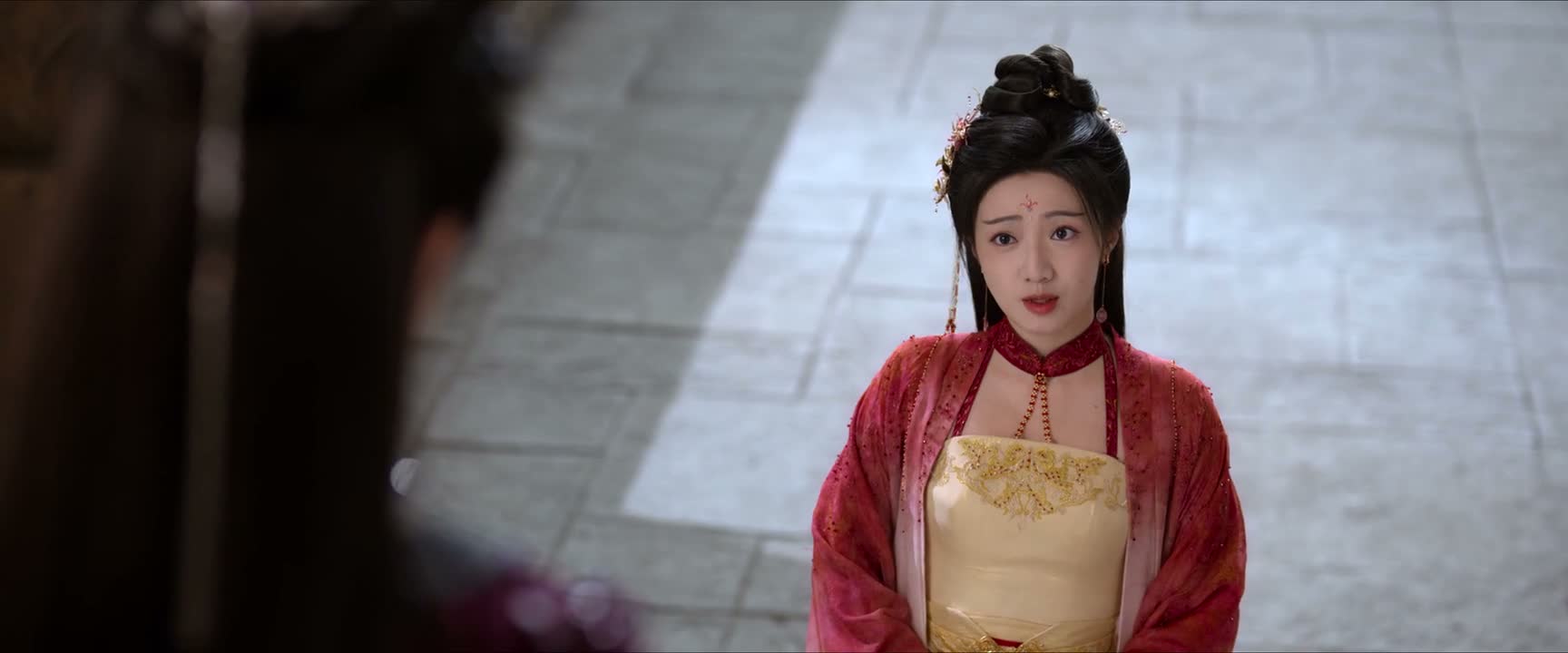
“I have already pleaded guilty to the Cult Leader.”
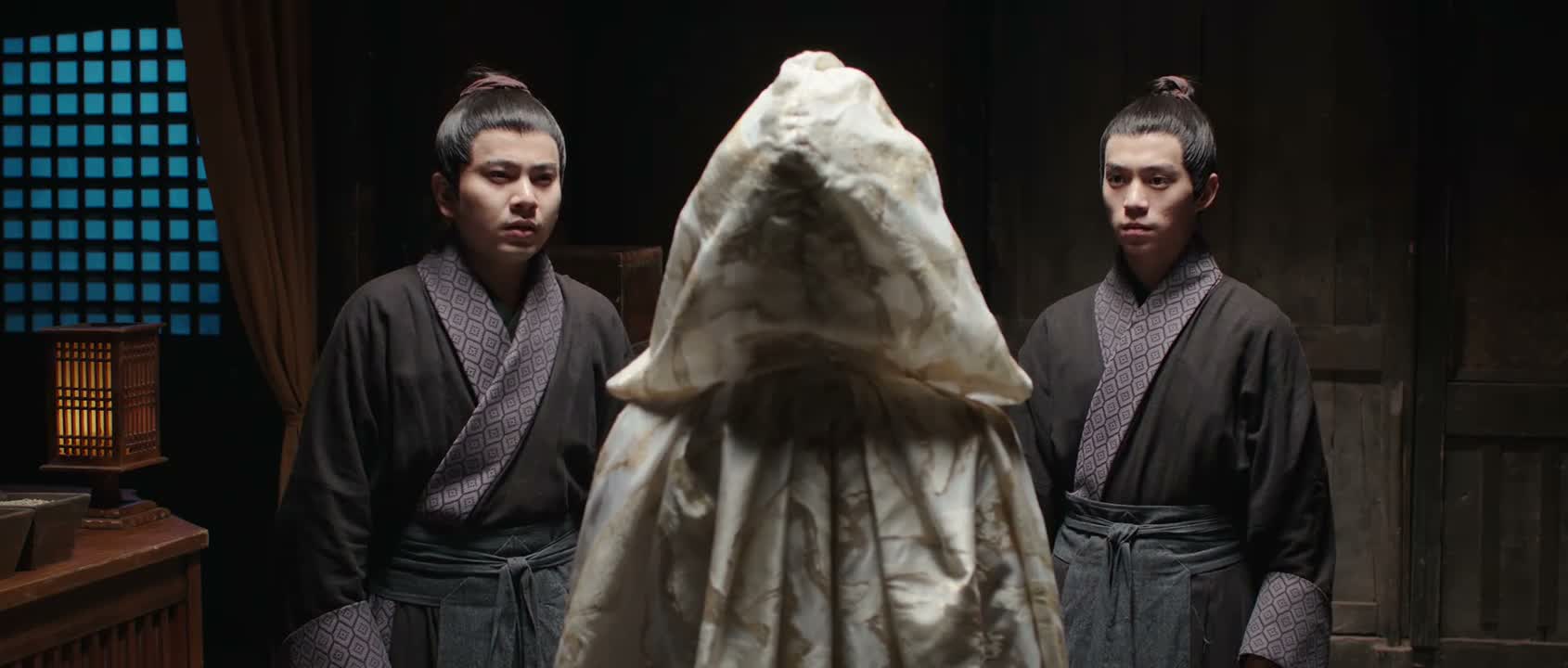
“The Chief fears something wrong”

“he'd never let the Chief run amok like this!”