别侮辱那逝去女子的清白
“Don't insult the innocence of the deceased.”
THE DIALOGUE REEL
“Wei Changyu, if you want a fight, let's fight.”
别侮辱那逝去女子的 清白
“Don't insult the innocence of the deceased.”
“Prime Minister Wei, it seems there are still people you care about.”
Direct spoken expression in this communicative setting.
In traditional Chinese culture, a woman's moral reputation was sacred; slandering a deceased woman's purity was considered an unpardonable, low blow.
LEARNING CHUNKS & PARTICLES
deceased; departed
A poetic, solemn, and respectful euphemism for death, suitable for elevated speech or writing.
a woman's innocence / purity
A traditional ethical collocation referring to a woman's unblemished moral and sexual virtue.
VOCABULARY & EXPRESSIONS
Parallel Spoken Cinema Scenes (语义近邻切片)
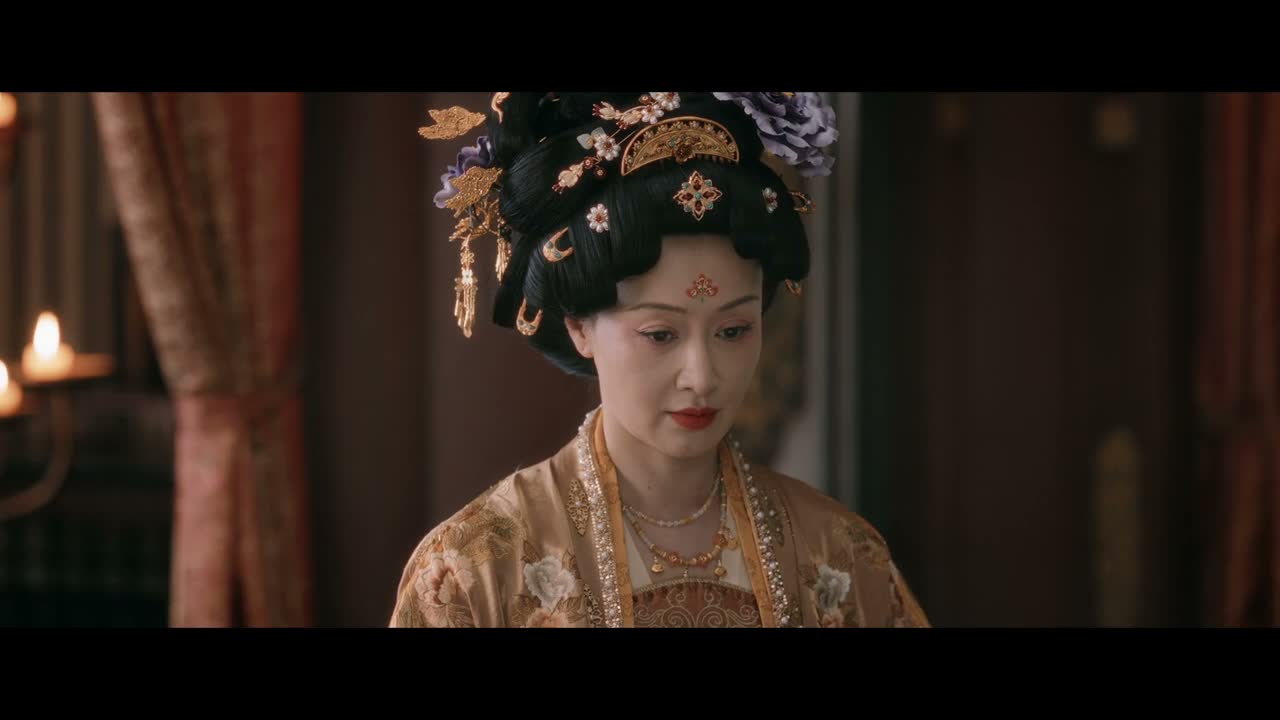
“The innocent die for nothing.”
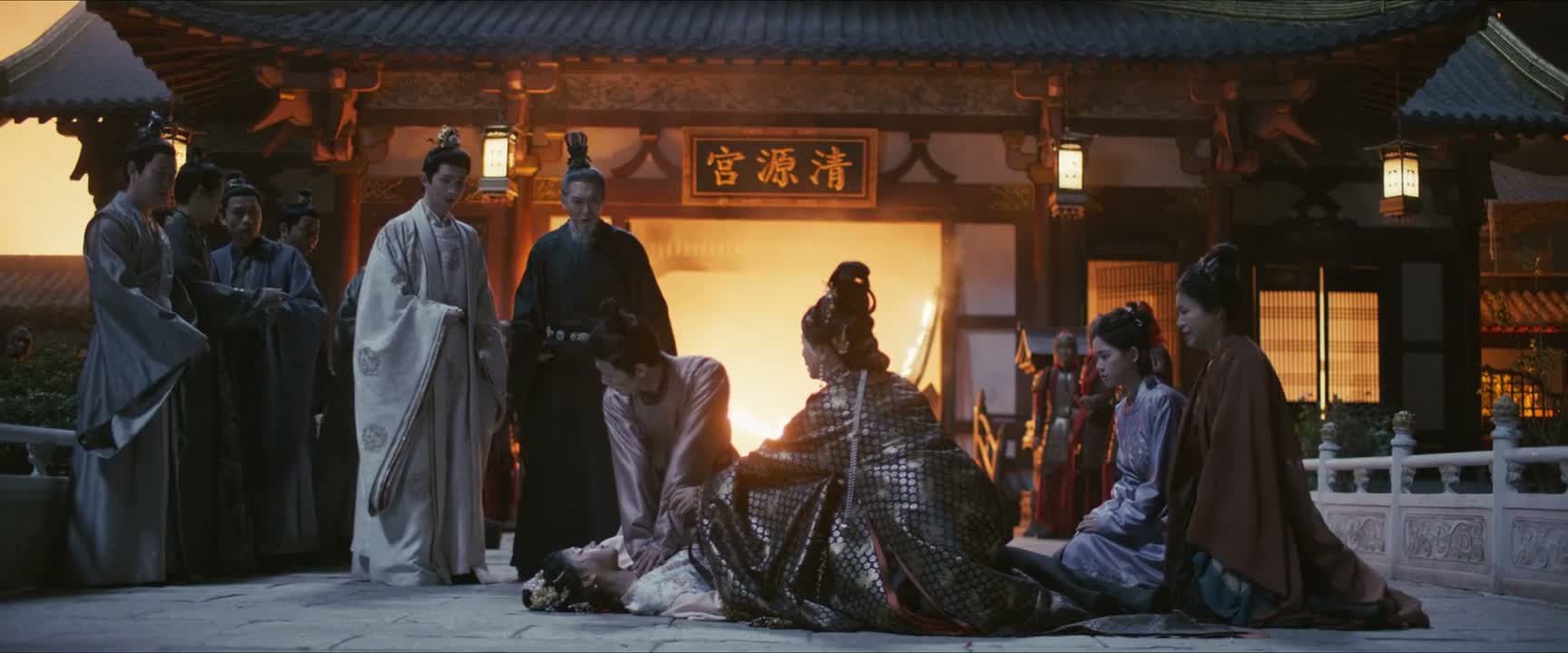
“You're defiling the Princess Royal, [Qingyuan Palace]”
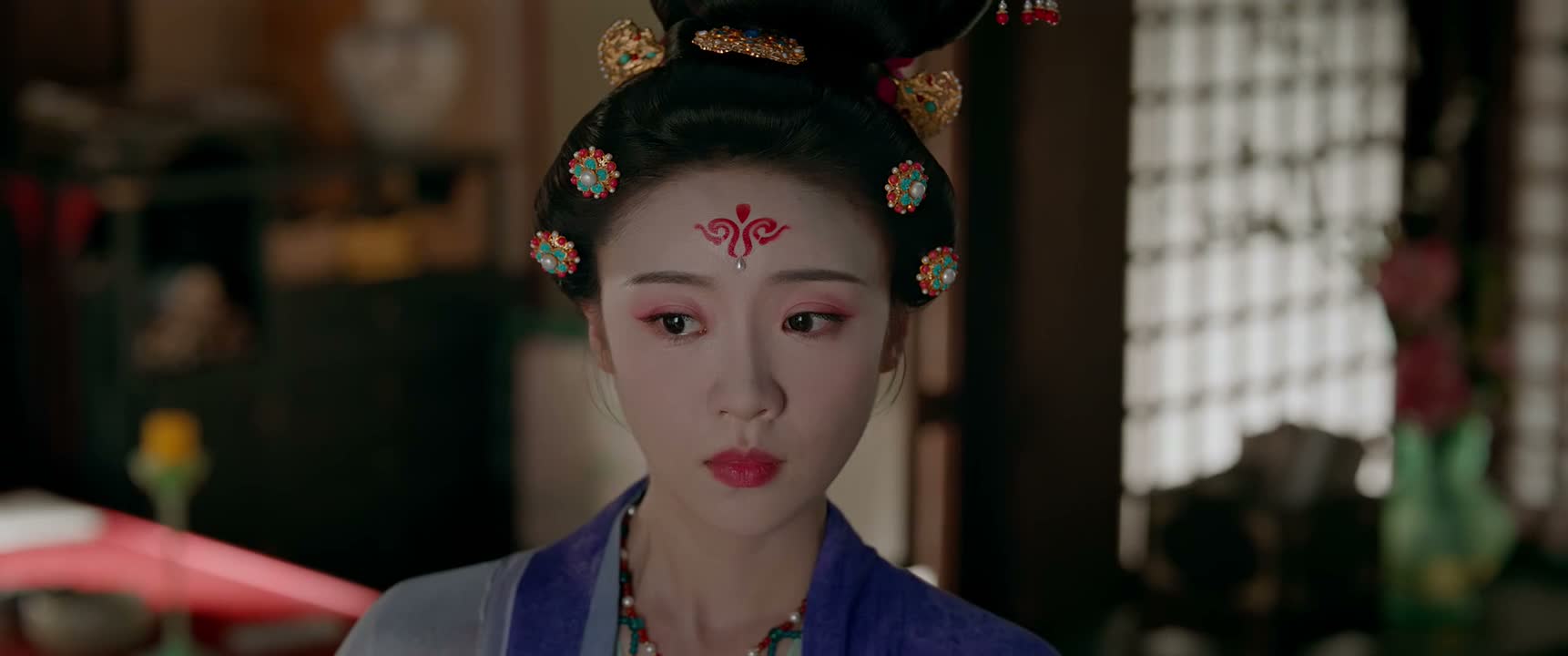
“Even after death, she bears the stigma of betrayal.”
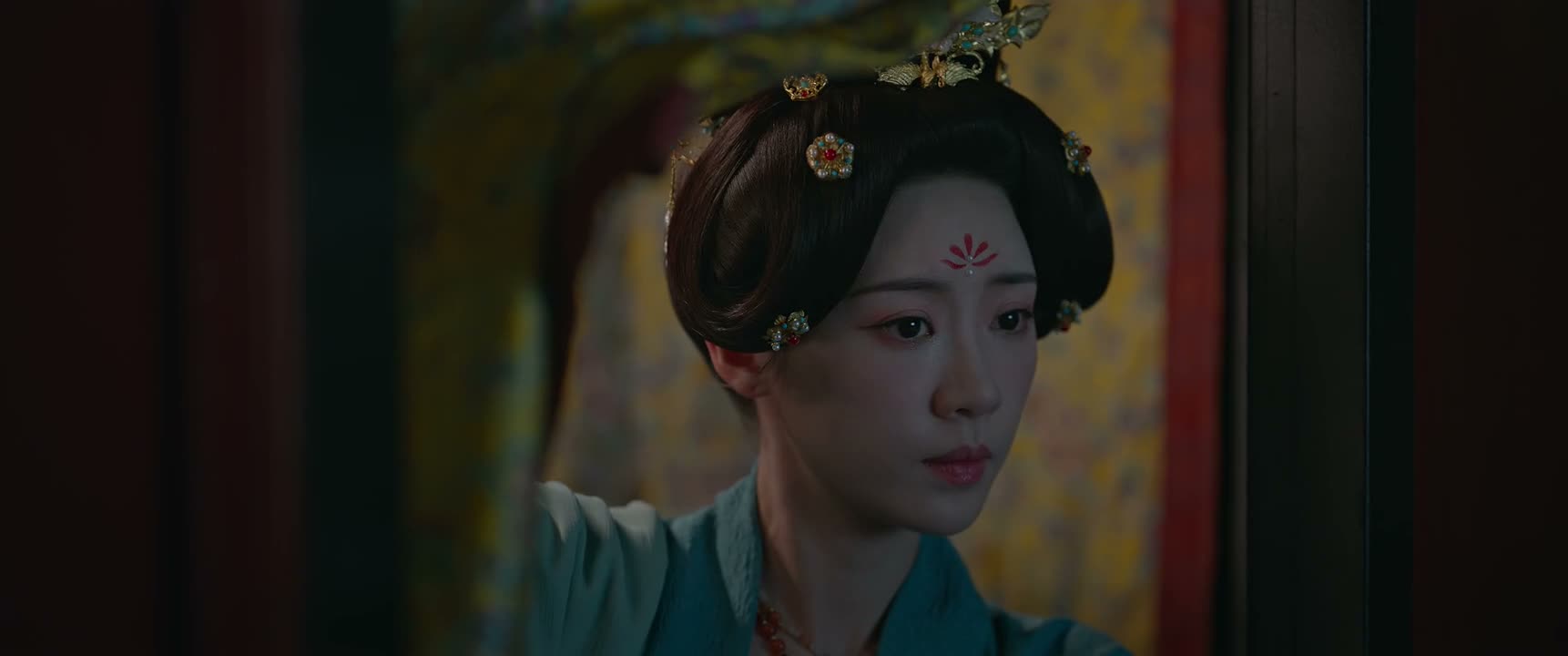
“Even after death, she bore the stain of disloyalty.”

“I feel ashamed”

“But this involves the reputations of Madam Yulan and the deceased.”