MC
MandarinClips Cinema Corpus
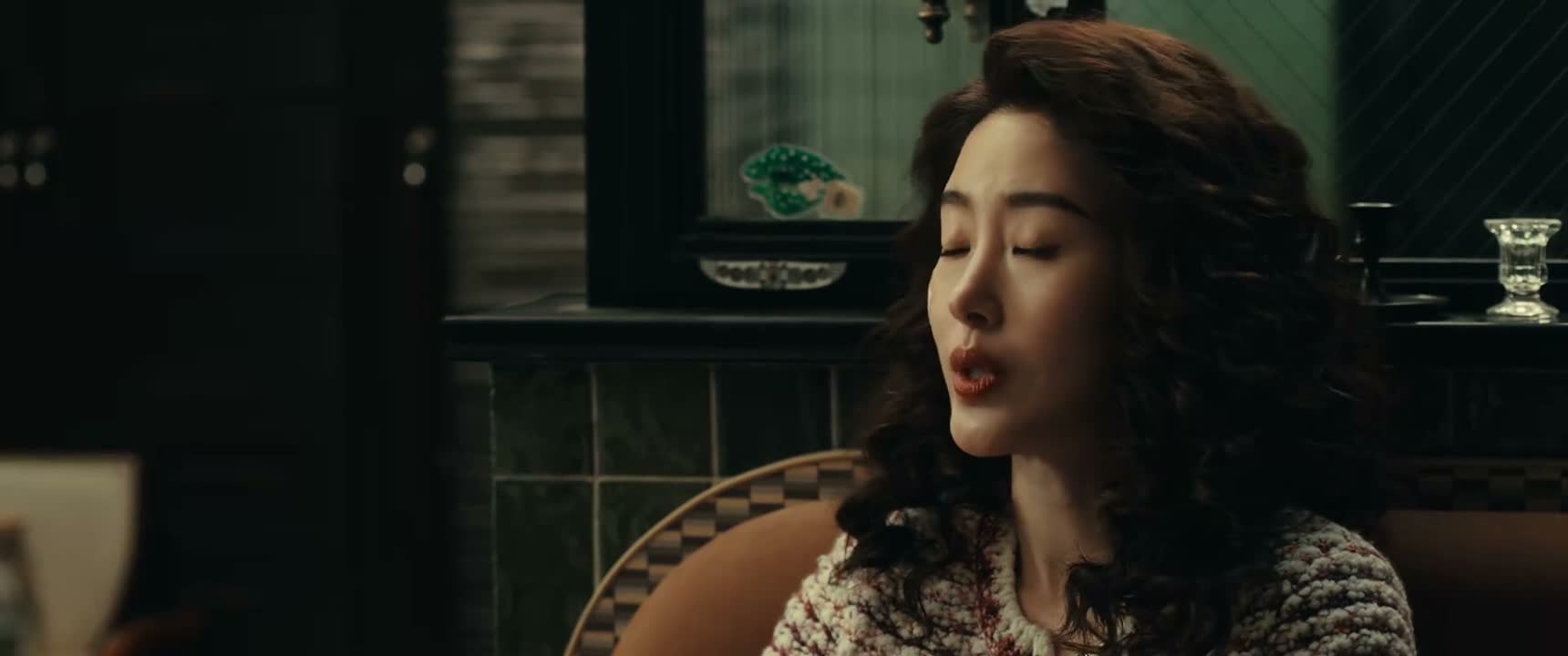
《The Heir》 S1·E17 (42:03) HSK 7
nán bù chéng běn guān hǎo xīn hái bàn le huài shì le

难不成本官好心还办了坏事了

“Are my good intentions causing a bad thing instead?”

《The Heir》 S1·E17
TIMECODE: 42:03 · 1080P MASTER AUDIO

THE DIALOGUE REEL

1+1+1 SPOKEN CONTINUITY
[-1] PREVIOUS TURN hǎo yí gè bǎi bān tuī wěi hǎo yí gè wàn bān wéi nán

好一个百般推诿 好一个万般为难

“What a lot of excuses. What a lot of difficulties.”

nán bù chéng běn guān hǎo xīn hái bàn le huài shì le CURRENT FOCUS

难不成 本官 好心 还 办了 坏事了

“Are my good intentions causing a bad thing instead?”

[+1] FOLLOW-UP TURN dà rén xī nù

大人息怒

“Please calm down, My Lord.”

Subtitles synced to millisecond timecode Browse Show Clips →
Scene: Historical & Court
Function: CHALLENGING AUTHORITY
Tone: INTIMIDATING
Emotion: ANGER
WHAT THEY REALLY MEAN (PRAGMATIC SUBTEXT)
“You dare blame me? Watch your mouth before I punish you for insubordination.”
💡 Cultural Insight: Imperial Official Hierarchy (Guanwei)

Using self-referential titles like '本官' reinforces institutional supremacy, making rhetorical self-deprecation an explicit threat against subordinate dissent.

INTENT TAGS: #intimidation #asserting_power #warning #suppressing_dissent
🧩

LEARNING CHUNKS & PARTICLES

2 CHUNKS · 1 PARTICLES
好心办坏事 SPOKEN CHUNK

to do something wrong despite good intentions; to blunder with good intent

Used colloquially or in bureaucratic rhetoric to frame adverse outcomes as mere unintentional byproducts of good will.

难不成 SPOKEN CHUNK

is it possible that; don't tell me that

Introduces an incredulous rhetorical challenge, frequently deployed by authority figures demanding compliance.

Modal Particle「了」 (le) CHANGE OF STATE

Marks the completion of an unfortunate situation and reinforces the rhetorical sharpness of the question.

🏮

VOCABULARY & EXPRESSIONS

3 EXPR · 0 GRAMMAR
CROSS-CINEMA CORPUS BOARD · PARALLEL SCENES

Parallel Spoken Cinema Scenes (语义近邻切片)

EXPLORE BY SEMANTIC SIMILARITY
《The Heir》 S1·E17 (42:03) · Authentic Cinema Dialogue Corpus