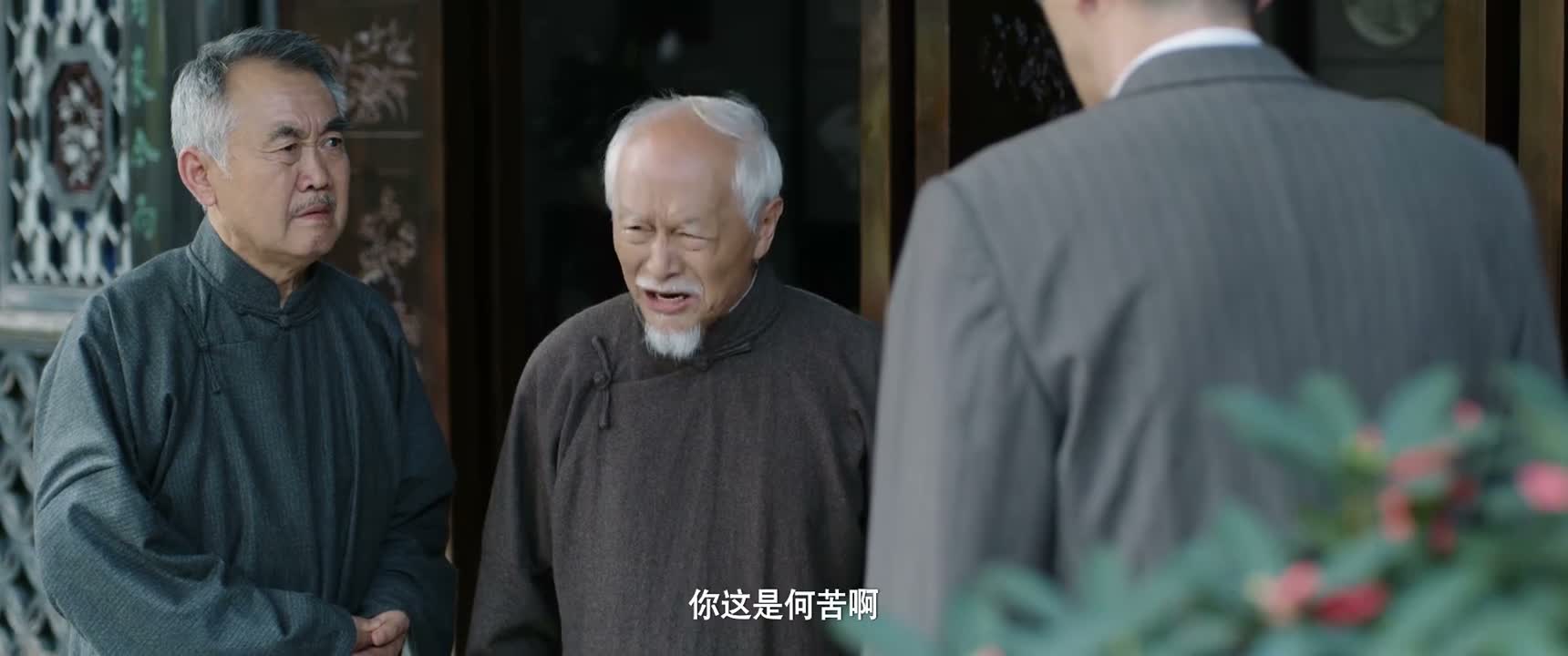
你何苦自寻短见呢
“Why are you trying to kill yourself?”
THE DIALOGUE REEL
“I just want you to find a good husband.”
你 何苦 自寻短见 呢
“Why are you trying to kill yourself?”
爹爹
“Father,”
“I only want what is best for you; do not throw your life away over this!”
Traditional Chinese parents believed arranging a secure marriage ('hao gui su') was their ultimate duty of care, making a child's extreme resistance through suicide a heart-wrenching clash between paternal authority and individual despair.
LEARNING CHUNKS & PARTICLES
why bother; why go to the trouble of
Used in rhetorical questions to emphasize that an extreme or painful action is completely unnecessary and not worth the suffering.
to take one's own life; to commit suicide
A traditional euphemism for suicide, literally meaning 'short-sightedness leading to self-harm'.
Softens the rhetorical question into an earnest, emotionally charged plea rather than an aggressive interrogation.
VOCABULARY & EXPRESSIONS
Parallel Spoken Cinema Scenes (语义近邻切片)

“Why are you tormenting yourself like this?”
“Why did you have to do this?”

“would you say that?”

“Why did you have to make such a scene?”

“and you will be the one to suffer in the end.”
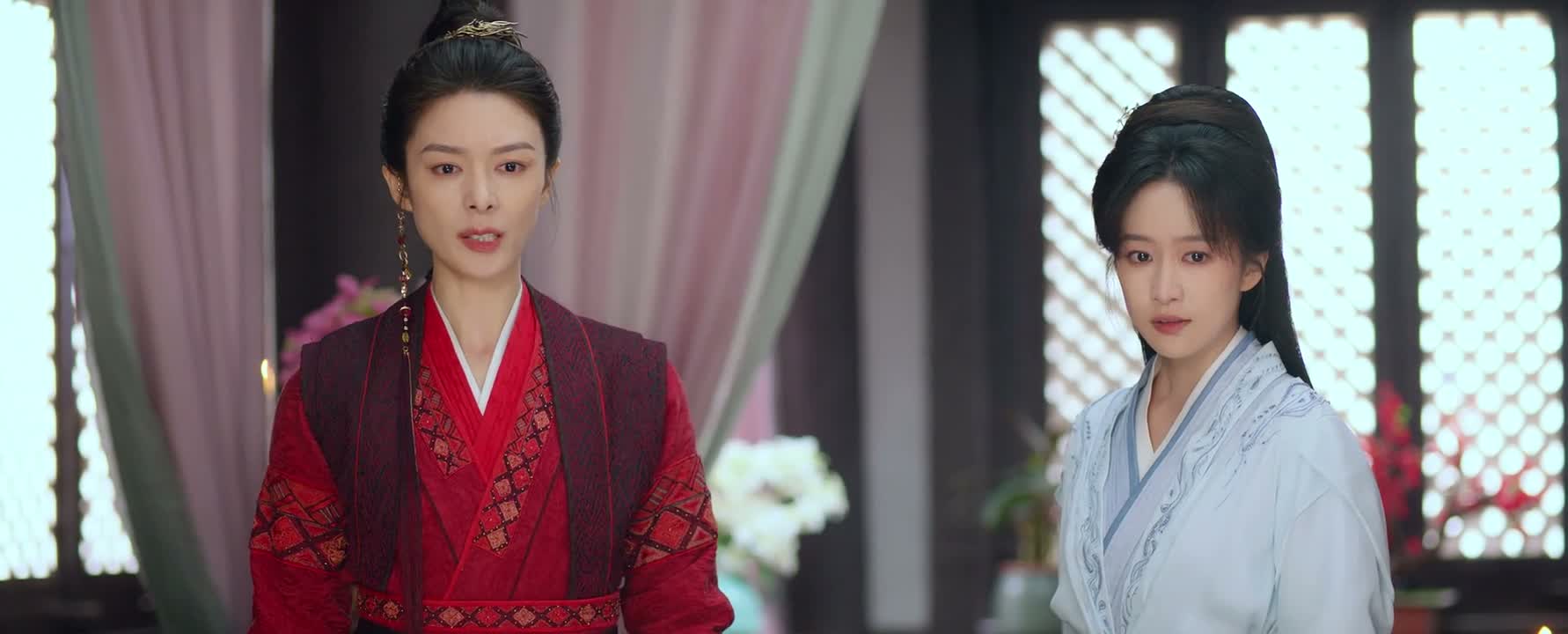
“What's the point of ending your own life?”