知道为什么我是清风寨的老大吗
“Do you know why I'm the boss of Qingfeng Stronghold? [Qingfeng Stronghold]”
THE DIALOGUE REEL
还丢了脸面
“and embarrassing yourselves.”
知道为什么 我是 清风寨的 老大 吗
“Do you know why I'm the boss of Qingfeng Stronghold? [Qingfeng Stronghold]”
一群臭男人
“[Qingfeng Stronghold] A bunch of lousy men—”
“Remember who is in charge here and watch your attitude.”
In martial arts and historical fiction, leaders frequently justify their rank through strength and martial pride to suppress dissent.
LEARNING CHUNKS & PARTICLES
do you know why
A common rhetorical hook used to seize the floor before explaining a point or flexing authority.
boss; leader; head
Widely used in informal spoken Chinese to refer to a leader, chief, or gang head.
Marks a direct yes-no question structure, used here rhetorically.
VOCABULARY & EXPRESSIONS
Parallel Spoken Cinema Scenes (语义近邻切片)

“How do you know he didn't send me?”
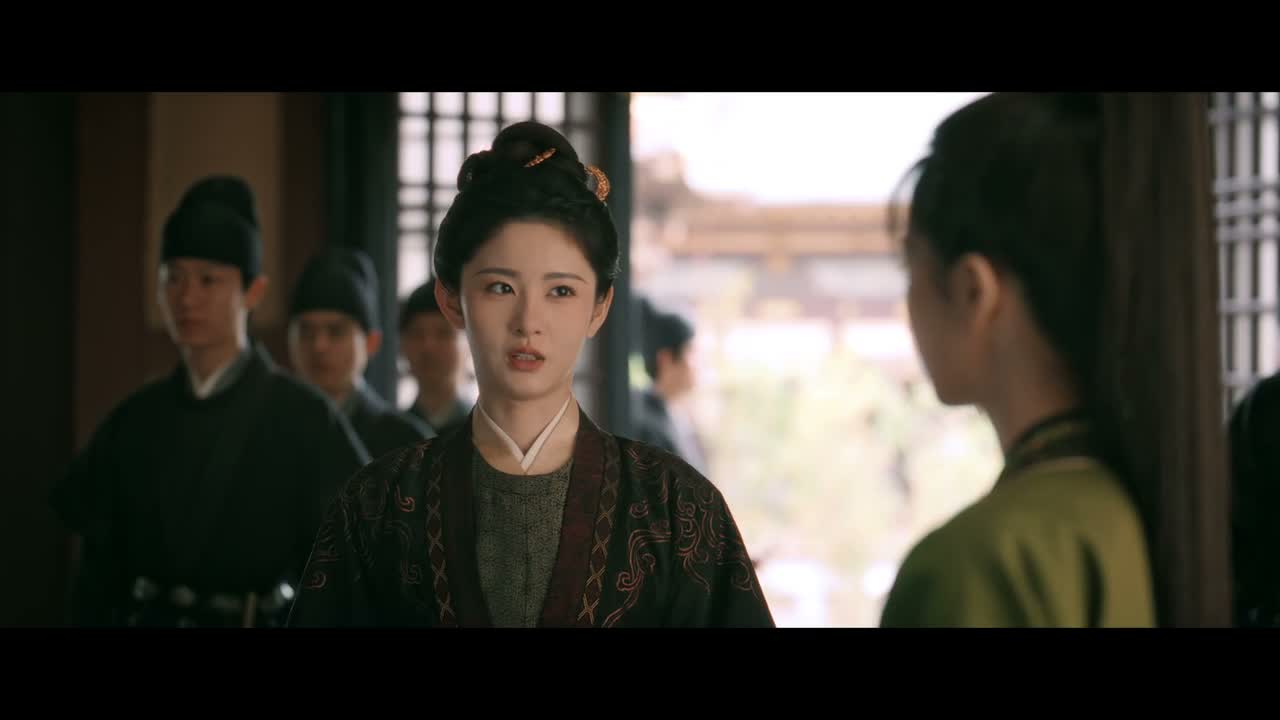
“You're the boss. Are you asking me?”

“You're the boss of this house.”
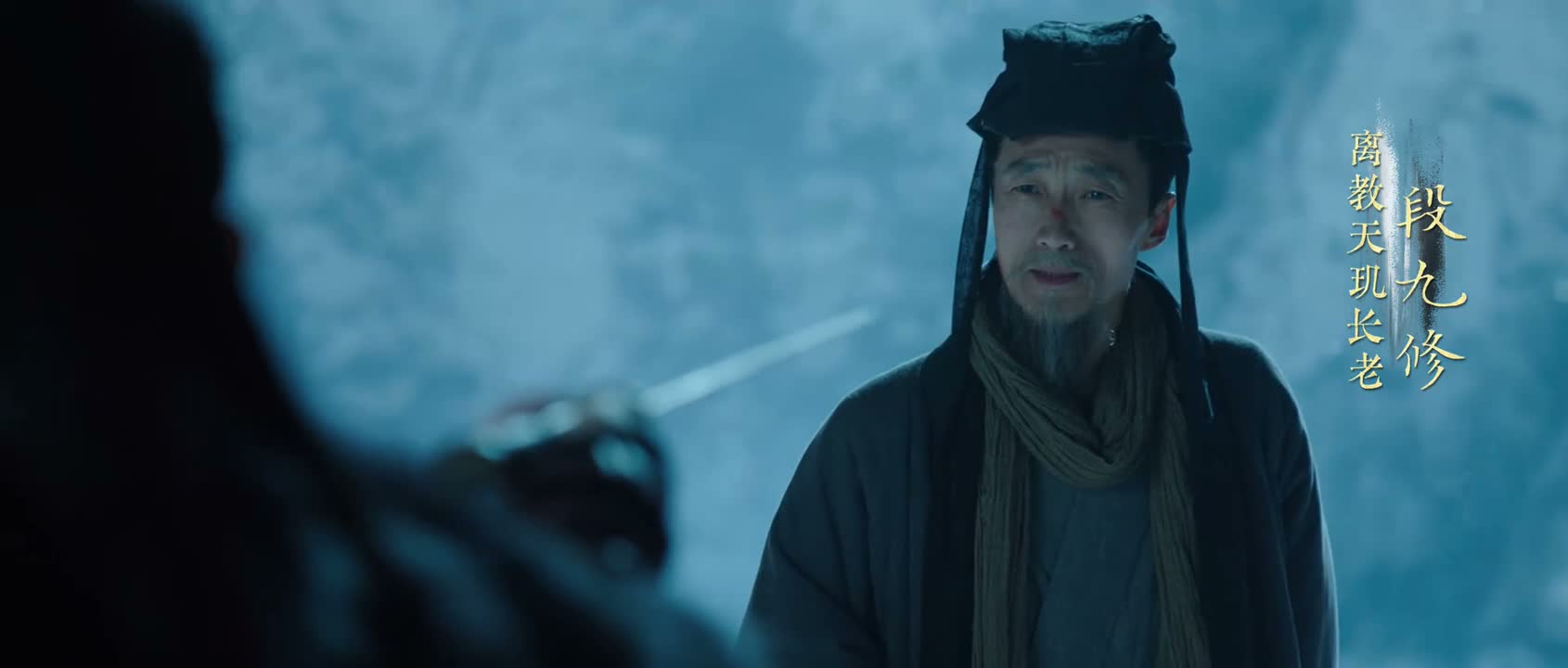
“You recognized me.”

“Boss. Shouldn't you be at your desk? Why are you here?”

“By the way, Boss. What is it?”