饿得不行了 我说我必须吃碗猪脚面
“and felt starving. I begged Mom to buy us pig hock noodles.”
THE DIALOGUE REEL
“Mom brought us here. I saw them selling pig hock noodles here”
饿得不行了 我说 我 必须吃 碗 猪脚面
“and felt starving. I begged Mom to buy us pig hock noodles.”
结果 妈妈只买了一碗猪脚面 小兰吃的什么 猪脚
“But… Mom only bought one bowl of pig hock noodles. What did Lan eat? Pig hock.”
“Back then I was just a demanding child who did not understand how poor and selfless our mother was.”
In Chinese family narratives, sharing a single bowl of food during impoverished times is the ultimate symbol of familial devotion, self-sacrifice, and mutual struggle.
LEARNING CHUNKS & PARTICLES
starving; extraordinarily hungry
A common colloquial construction using '得不行' as an extreme degree complement to express extreme physical states.
must; have to
Indicates strong insistence or an absolute requirement, often used colloquially to assert an urgent desire.
Functions as an intensifier marking a severe change of state in the expression of hunger.
VOCABULARY & EXPRESSIONS
Parallel Spoken Cinema Scenes (语义近邻切片)
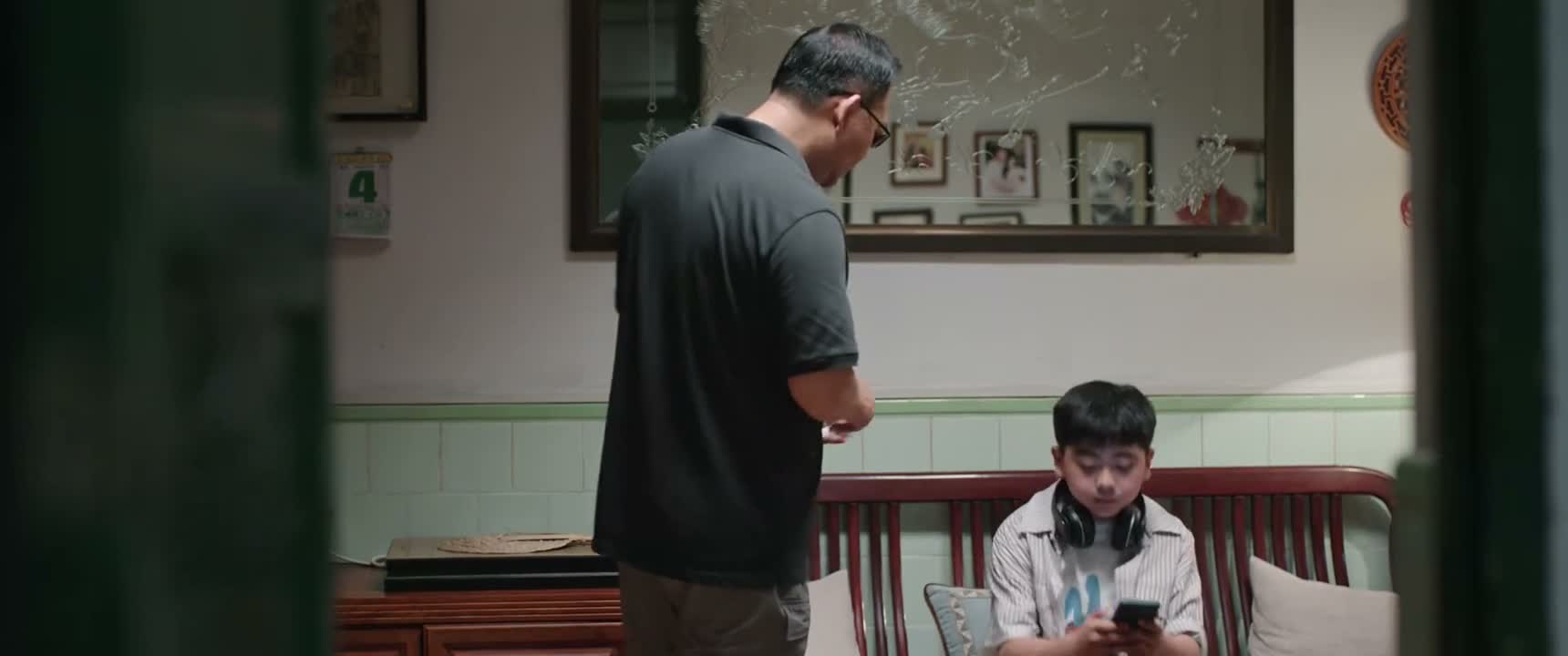
“Hungry? Kind of.”

“I'm hungry. If you're not busy, go cook me some noodles.”

“and not ate the pig hock or the noodles. You said you didn't like them.”

“I'm so hungry I'd eat anything.”

“I'm hungry anyway. Let's eat first. But I want to see this one.”
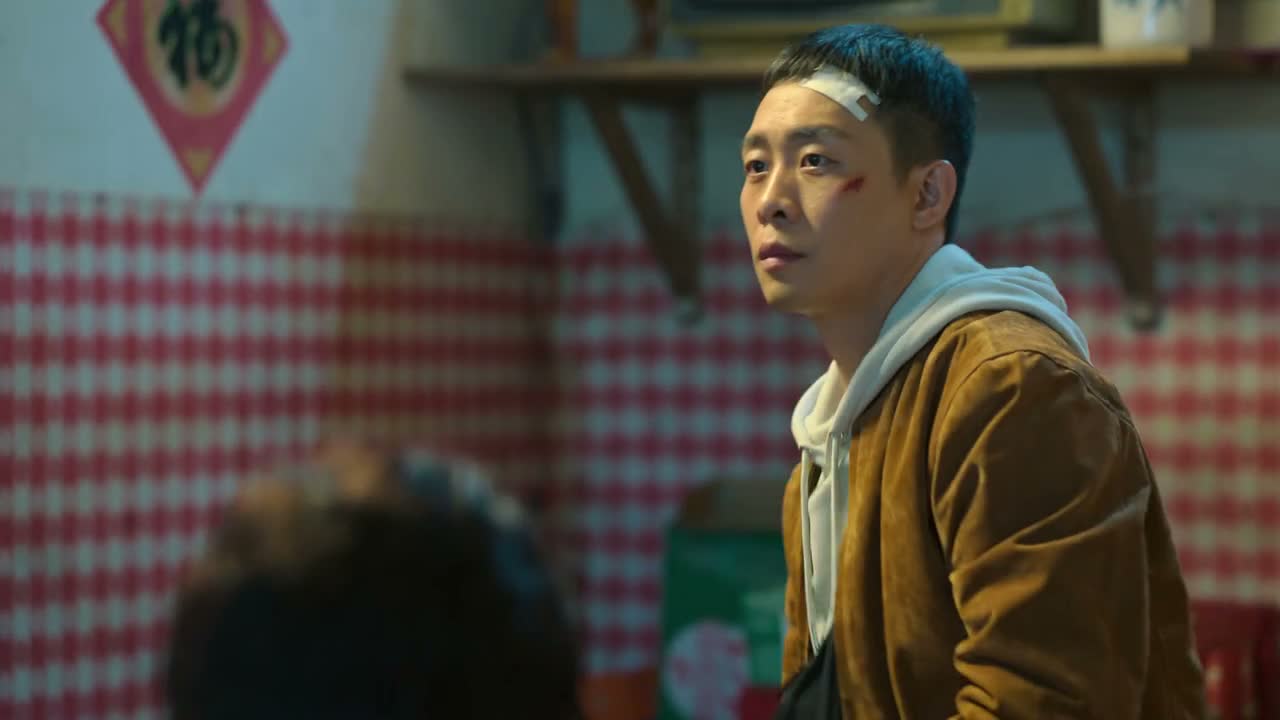
“I wouldn't eat pork knuckle noodles anymore.”