妈妈带咱们兄妹来这儿 看见这儿有家猪脚面
“Mom brought us here. I saw them selling pig hock noodles here”
THE DIALOGUE REEL
五岁那年
“When I was five,”
妈妈带咱们兄妹 来这儿 看见 这儿有家 猪脚面
“Mom brought us here. I saw them selling pig hock noodles here”
“and felt starving. I begged Mom to buy us pig hock noodles.”
Direct spoken expression in this communicative setting.
Northern Mandarin speakers use '咱们' instead of '我们' to deliberately include the listener, emphasizing closeness and shared collective experience.
LEARNING CHUNKS & PARTICLES
we siblings (brother and sister)
Used by an older brother or younger sister to refer inclusively to their sibling relationship.
there is a (restaurant/shop)
'家' serves here as the classifier for commercial establishments like diners, shops, and companies.
VOCABULARY & EXPRESSIONS
Parallel Spoken Cinema Scenes (语义近邻切片)

“I fed you, clothed you,”

“Let's go home, and I will cook something delicious for you.”
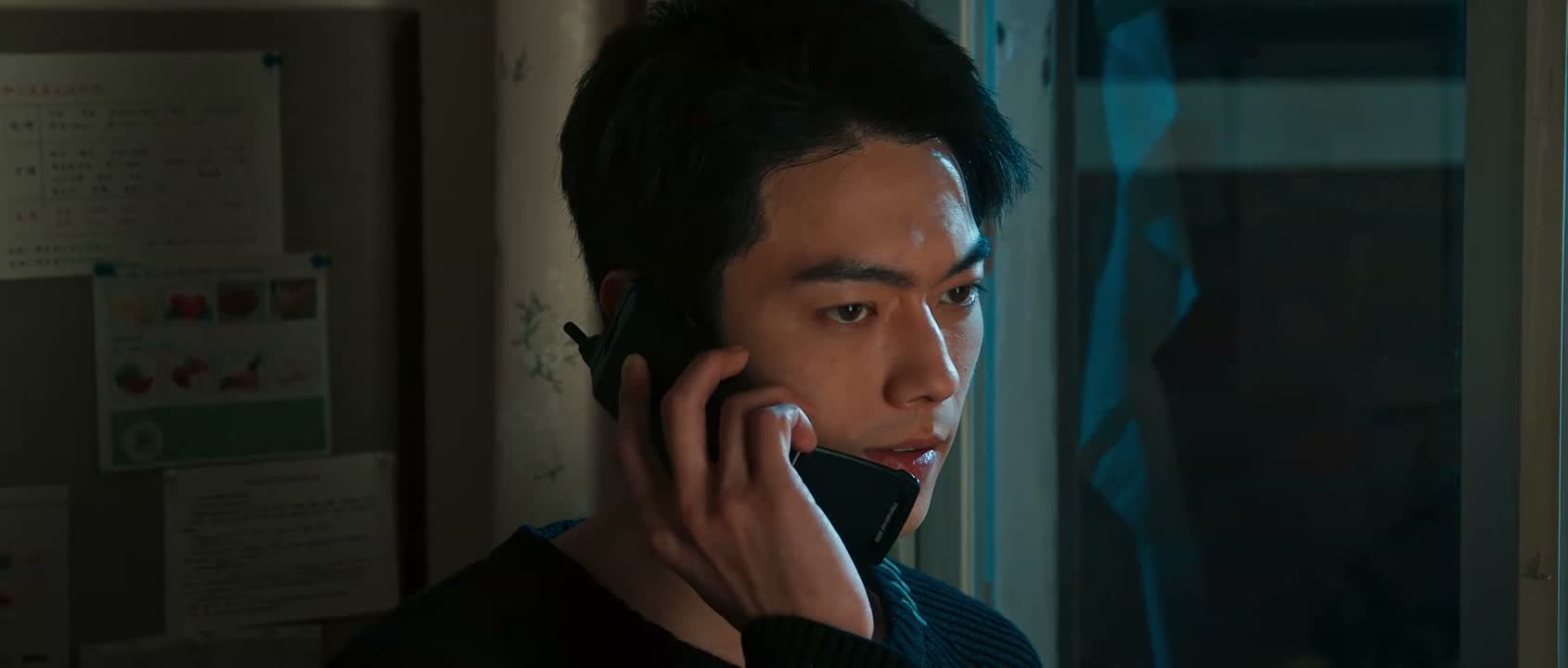
“Your mother's cooking is delicious.”

“Mom, the food's getting cold. Eat first.”

“It's our specialty dish.”

“People who come to our noodle restaurant are our regular guests.”