那再说了 老两口一直把你当儿子
“Besides, my parents have always treated you as their son.”
THE DIALOGUE REEL
需要我们照顾
“She needs us to take care of her.”
那 再说了 老两口一直 把你当儿子
“Besides, my parents have always treated you as their son.”
“We're family. We should stick together.”
“They treat you like blood family, so you shouldn't distance yourself or refuse to live with them.”
Treating a son-in-law as a biological son signifies utmost familial acceptance, which culturally incurs an emotional debt of filial care.
LEARNING CHUNKS & PARTICLES
furthermore; besides; what's more
Used spokenly to introduce an additional persuasive reason or point in casual debates.
the old couple (affectionate/colloquial for elderly parents)
Warm colloquial term used to refer affectionately to one's parents or an elderly married pair.
treat as one's own son
Common expression highlighting deep emotional acceptance, often applied to sons-in-law.
VOCABULARY & EXPRESSIONS
Parallel Spoken Cinema Scenes (语义近邻切片)

“I've always treated you like my own son.”

“But the old lady still has to care for her son.”
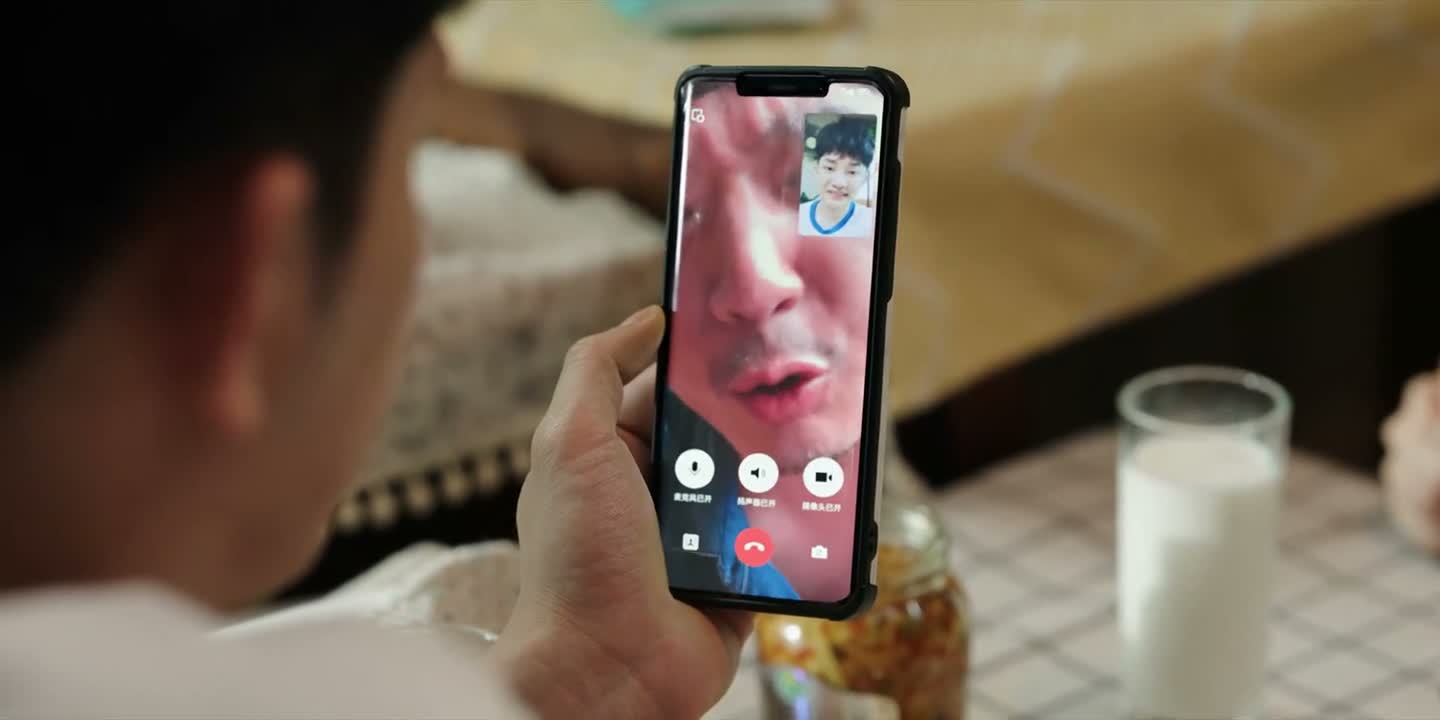
“My son is so good to me.”

“and you can't bear to part with your son,”
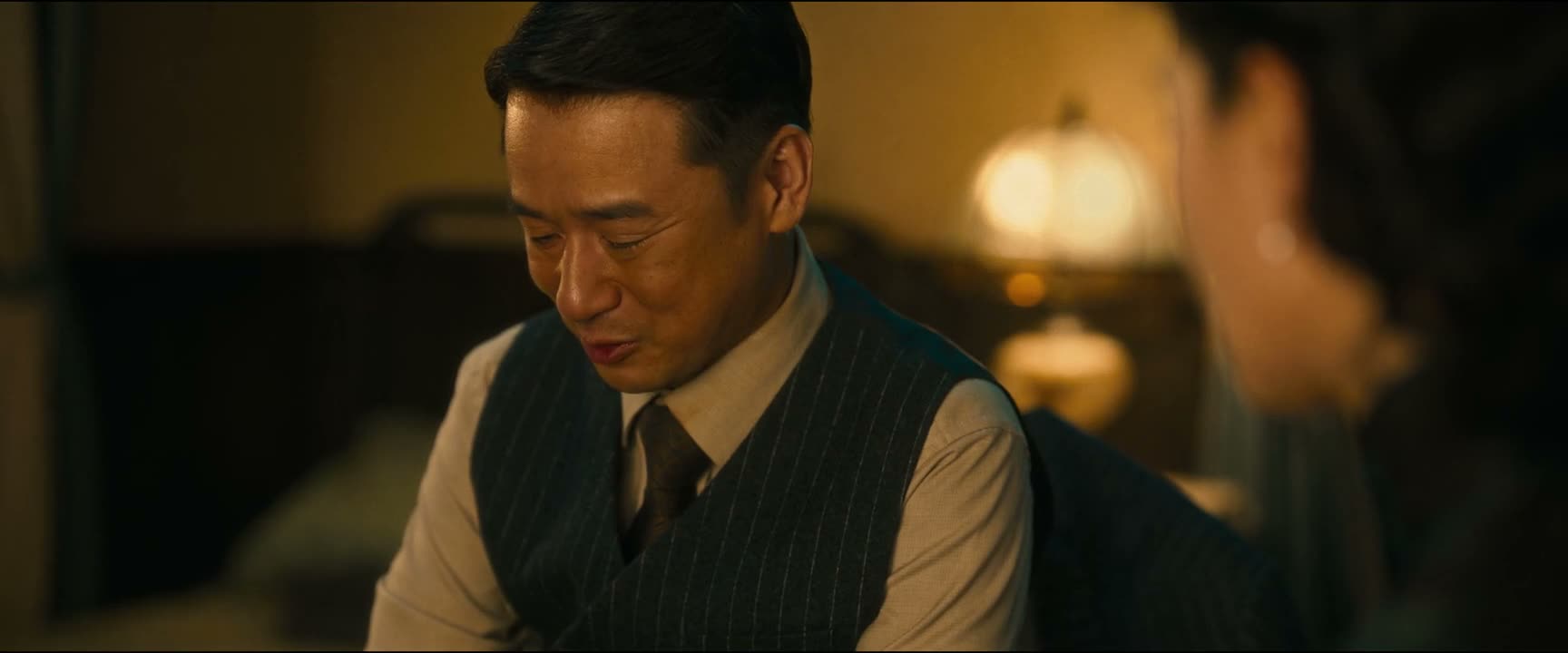
“you treated me as your son.”

“You have to take care of the old and the young.”