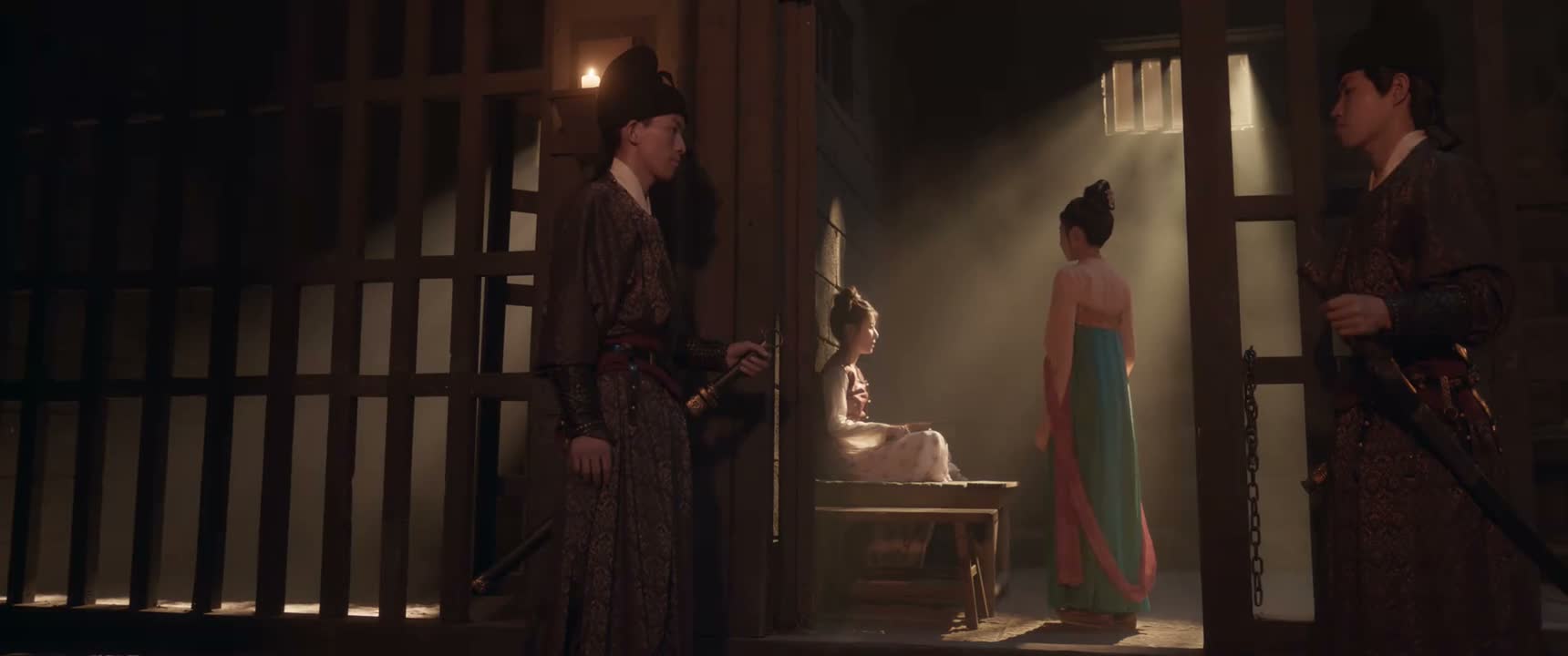
为什么他上去烤鱼 我却要在这儿溺毙啊
“Why does he go up to grill fish while I'm left here drowning?”
THE DIALOGUE REEL
溺毙
“drowning?”
为什么 他上去烤鱼 我却要 在这 儿 溺毙 啊
“Why does he go up to grill fish while I'm left here drowning?”
那我问你
“Let me ask you—”
“Why am I the only one left to die here while he enjoys a barbecue?”
Chinese dramatic narratives often contrast mundane activities like grilling fish with mortal danger to create dark comedy and emotional tension.
LEARNING CHUNKS & PARTICLES
yet I have to / whereas I must
A strong contrastive phrase emphasizing the speaker's unfortunate or burdensome situation against expectations.
to drown to death
A formal or dramatic term for drowning, often used hyperbolically in colloquial speech for dramatic flair.
Intensifies the emotional outburst and emphasizes the absurdity of the speaker's plight.
VOCABULARY & EXPRESSIONS
Parallel Spoken Cinema Scenes (语义近邻切片)

“why does he get to grill fish while I'm left here”

“I want to eat your grilled fish.”

“I want to eat your grilled fish.”

“I guess they are waiting for some bigger fish. They're afraid we'll disturb them before taking action.”

“Although I passed out from being burned,”
“picked the fish belly with their first bite.”