我不该今天才来找你的
“I shouldn't have waited till today to see you.”
THE DIALOGUE REEL
对不起
“I'm sorry.”
我 不该 今天 才 来找你 的
“I shouldn't have waited till today to see you.”
我思虑很多
“I thought it over and over”
“I should have come much sooner, and I hate myself for hesitating.”
In Chinese romantic contexts, characters often overthink social propriety or practical consequences before acting, leading to profound remorse when they realize delay caused suffering.
LEARNING CHUNKS & PARTICLES
should not have
Commonly used in spoken Chinese to express personal self-reproach or remorse about a past action.
only came to see you just now / waited until now to find you
The adverb '才' emphasizes that the action happened later than it ideally should have.
Functions as a sentence-final marker reinforcing the certainty of the speaker's self-judgment.
VOCABULARY & EXPRESSIONS
Parallel Spoken Cinema Scenes (语义近邻切片)

“At a time like this, you shouldn't have come to me.”

“I shouldn't have come to you!”

“That's why I came to you today.”
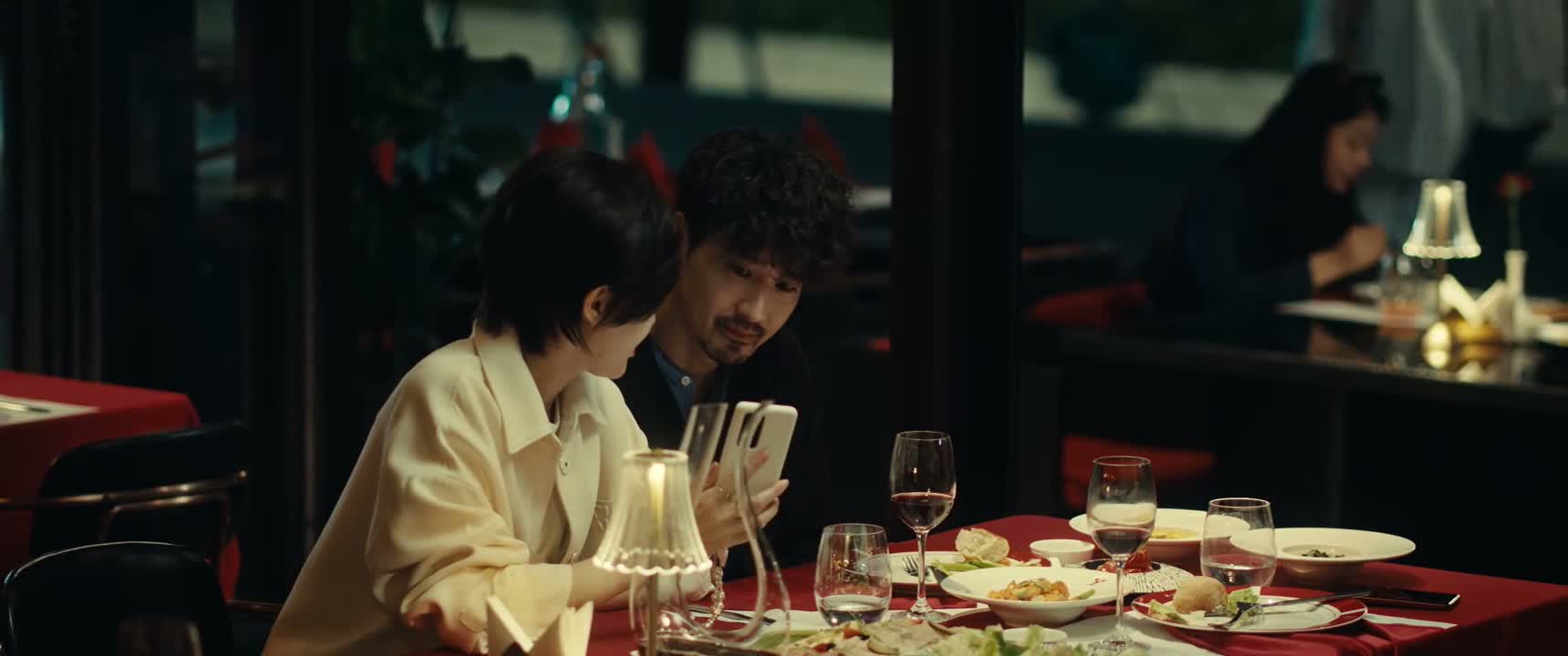
“This is exactly why I came to see you today.”

“It's already good enough that I didn't go looking for you.”

“So you've come to the right person today.”