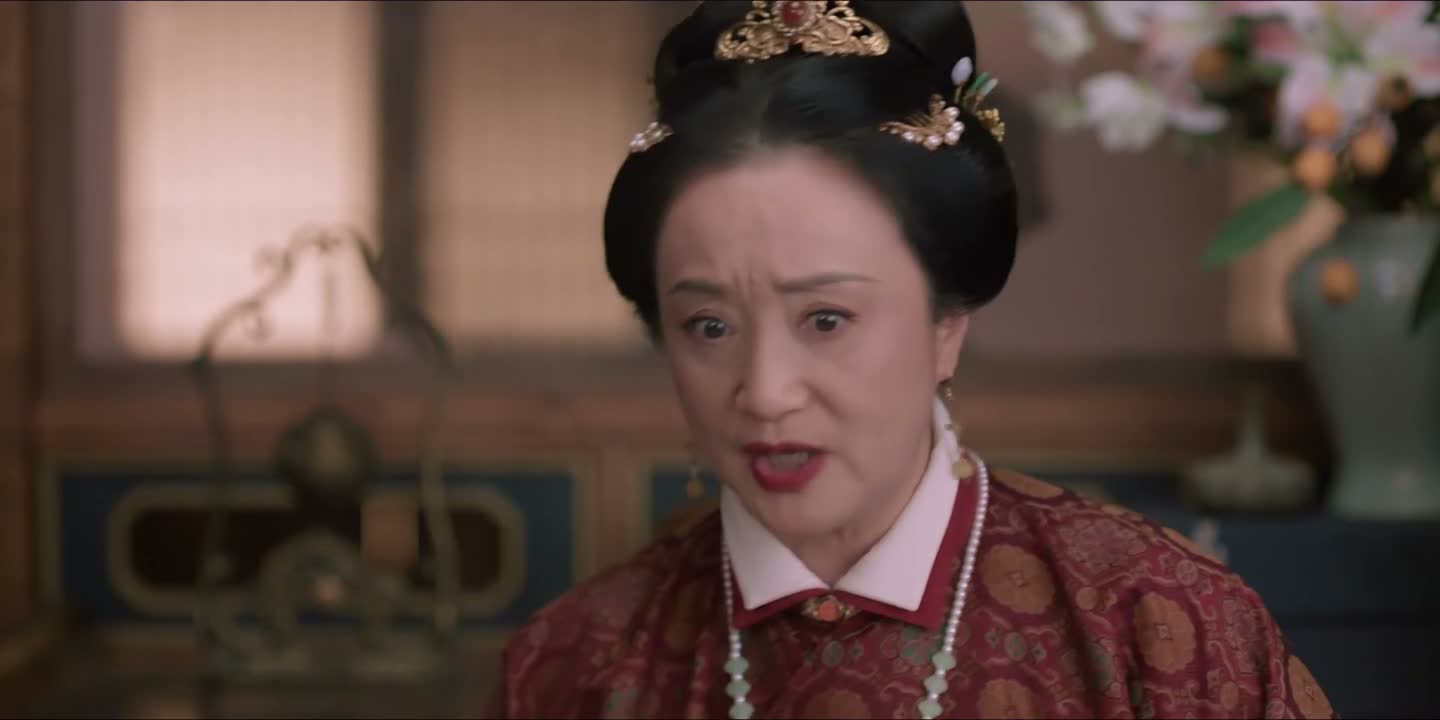
《The Epoch of Miyu》 S1·E6 (39:07)
HSK 6
zěn me hái chéng le wǒ de bú shì le
怎么还成了我的不是了
“How did it become my fault?”
《The Epoch of Miyu》
S1·E6
TIMECODE: 39:07
·
1080P MASTER AUDIO
THE DIALOGUE REEL
[-1] PREVIOUS TURN
yī dǎ diàn huà jiù yào qián
一打电话就要钱
“you just ask for money.”
zěn me hái chéng le wǒ de bú shì le
CURRENT FOCUS
怎么还 成了我的不是 了
“How did it become my fault?”
[+1] FOLLOW-UP TURN
zhè me duō nián
这么多年
“For all these years,”
Subtitles synced to millisecond timecode
Browse Show Clips →
Scene:
Crisis & Conflict
Function:
DEFENSIVE COUNTERATTACK
Tone:
DEFENSIVE
Emotion:
ANGER
WHAT THEY REALLY MEAN (PRAGMATIC SUBTEXT)
“You are the one at fault, so don't you dare twist this around to blame me.”
💡 Cultural Insight: Deflecting Moral Blame
In Chinese interpersonal conflicts, moral high ground determines justice; shifting blame onto someone else ('成了某人的不是') triggers immediate, fierce defensive retaliation.
INTENT TAGS:
#defensiveness
#rejection of blame
#counterattack
#indignation
🧩
1 CHUNKS · 1 PARTICLES
LEARNING CHUNKS & PARTICLES
成了我的不是
SPOKEN CHUNK
became my fault / treated as my mistake
'不是' functions here as a noun meaning 'fault' or 'wrongdoing'; common in northern spoken vernacular.
Modal Particle「了」 (le)
CHANGE OF STATE
Marks the change of state into being considered at fault, emphasizing the absurdity of the reversal.
🏮
2 EXPR · 5 GRAMMAR
VOCABULARY & EXPRESSIONS
COLLOQUIAL EXPRESSIONS:
CROSS-CINEMA CORPUS BOARD · PARALLEL SCENES
EXPLORE BY SEMANTIC SIMILARITY
Parallel Spoken Cinema Scenes (语义近邻切片)

《The Epoch of Miyu》 S1·E6 (39:07) · Authentic Cinema Dialogue Corpus