我连家人都没有了 哪还有什么老家呀?
“I don't even have family anymore. What home is there to go back to?”
THE DIALOGUE REEL
是不是要回老家?
“Are you going home?”
我 连家人都没有了 哪还有 什么 老家呀?
“I don't even have family anymore. What home is there to go back to?”
对…对不起啊
“I'm sorry.”
“Don't ask me about home—I have nobody left.”
In Chinese culture, 'laojia' (ancestral hometown) is deeply tied to living kin and family roots; without living relatives, the emotional anchor to the place often disappears.
LEARNING CHUNKS & PARTICLES
don't even have...
A common emphatic pattern used to stress an extreme lack or absence of something basic.
how could there still be...
A rhetorical structure used to reject a premise by pointing out its impossibility.
Marks a change of state, indicating the family members are no longer around.
Softens the rhetorical question slightly while adding an emotive, wistful sigh.
VOCABULARY & EXPRESSIONS
Parallel Spoken Cinema Scenes (语义近邻切片)
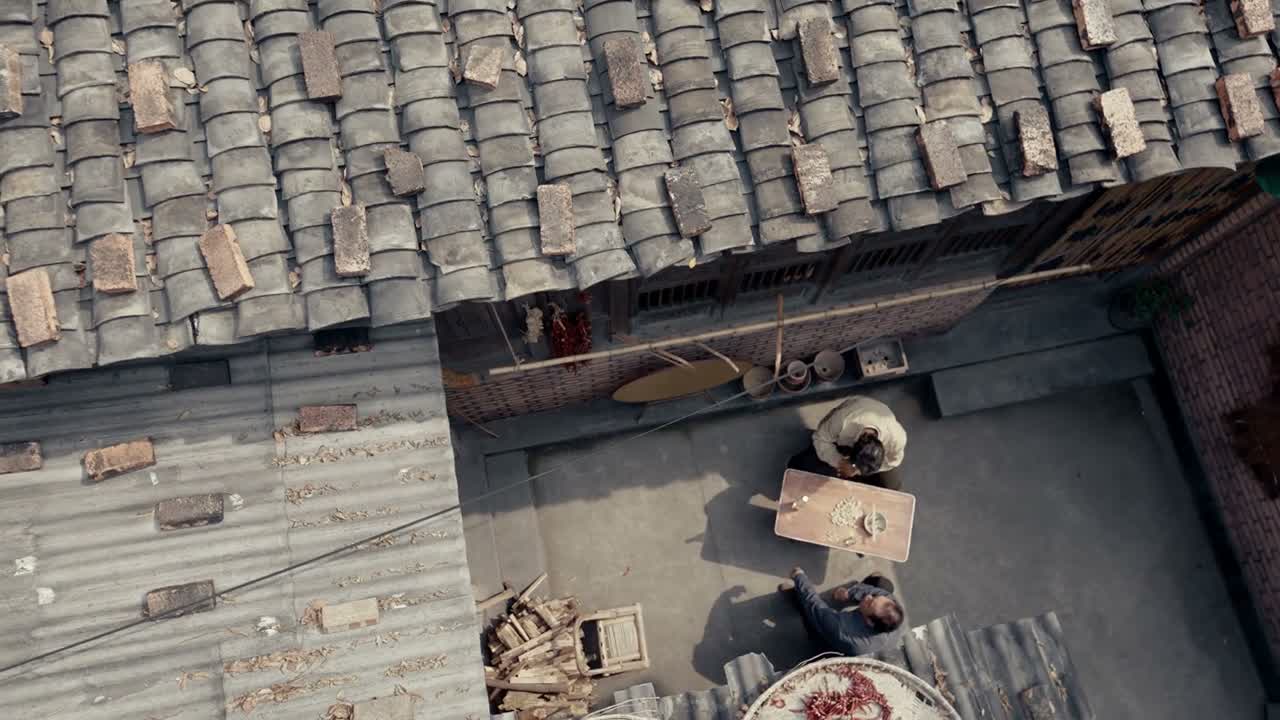
“Our hometown is gone.”
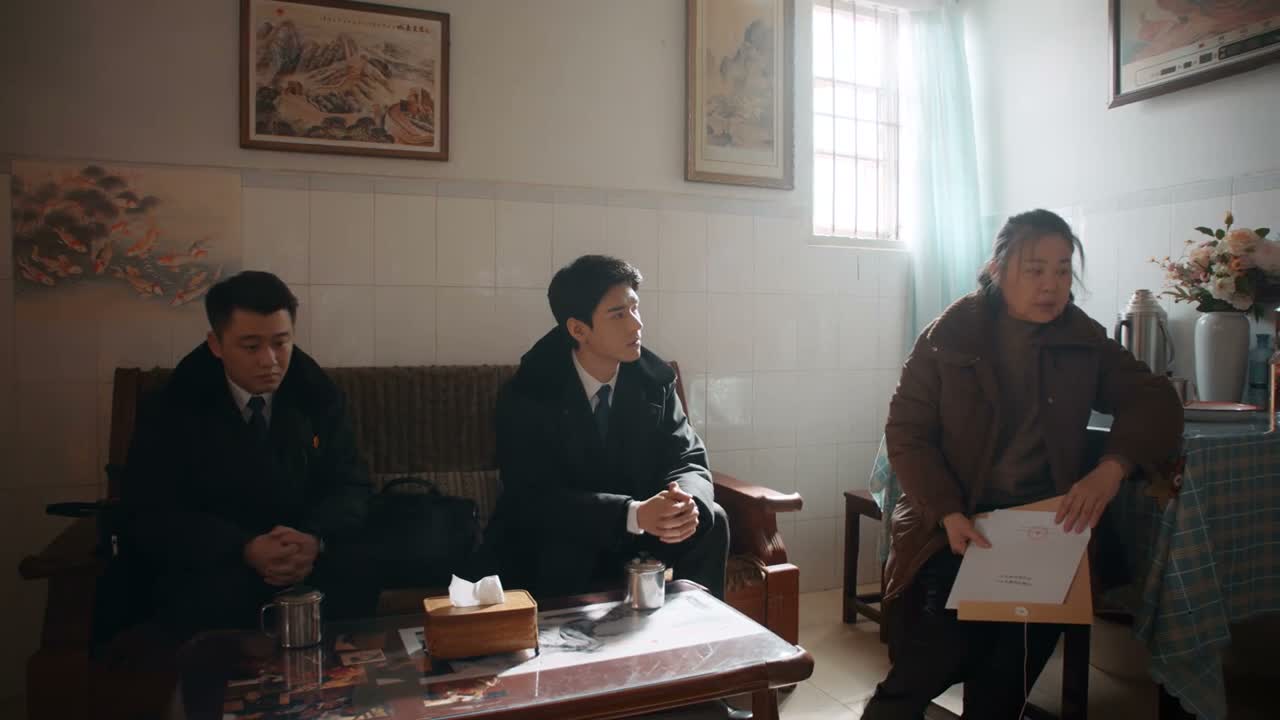
“I couldn't stay in my hometown anymore.”

“Or I can have my friend in our hometown”

“Where is your hometown?”
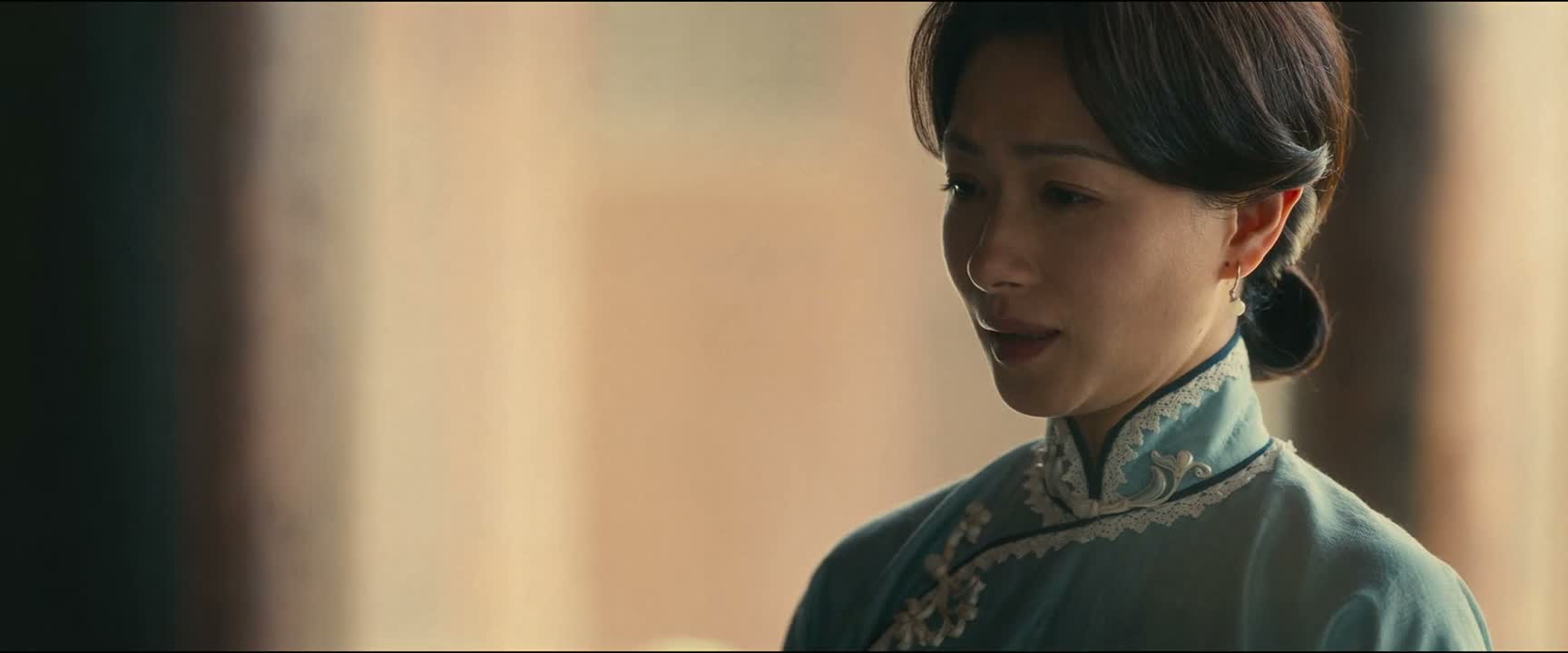
“Which hometown do you want me to return to?”

“that you have family matters to deal with and are quitting.”