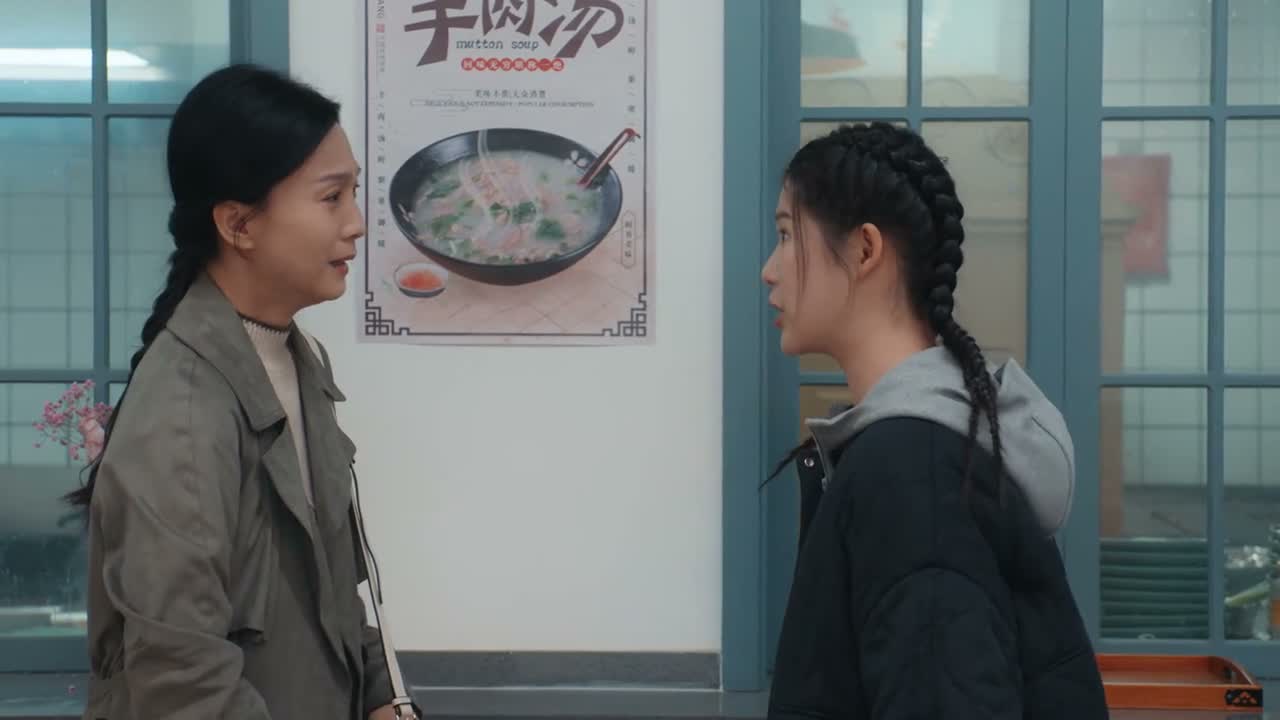
《Love Has Fireworks》 S1·E35 (31:08)
HSK 6
bú shì xí fù nǐ zěn me hái gē bó zhǒu wǎng wài guǎi ne
不是 媳妇 你怎么还胳膊肘往外拐呢
“Hey, honey. Why are you siding with her?”
《Love Has Fireworks》
S1·E35
TIMECODE: 31:08
·
1080P MASTER AUDIO
THE DIALOGUE REEL
[-1] PREVIOUS TURN
nà xíng nǐ bǎ qián bāo liú xià nǐ zǒu ba nà nǐ zǒu ba
“Good. Leave your wallet. You can go. Off you go.”
bú shì xí fù nǐ zěn me hái gē bó zhǒu wǎng wài guǎi ne
CURRENT FOCUS
不是 媳妇 你 怎么还 胳膊肘往外拐 呢
“Hey, honey. Why are you siding with her?”
[+1] FOLLOW-UP TURN
nǐ men liǎng gè zhēn de shì wǒ wéi èr yǔn xǔ rú cǐ wú shì wǒ de rén
你们两个真的是 我唯二允许如此无视我的人
“Oh my. You two are the only people I let treat me like this.”
Subtitles synced to millisecond timecode
Browse Show Clips →
Scene:
Family & Home
Function:
PLAYFUL REPROACH
Tone:
TEASING
Emotion:
AMUSEMENT
WHAT THEY REALLY MEAN (PRAGMATIC SUBTEXT)
“You are supposed to have my back, not team up against me!”
💡 Cultural Insight: In-group Loyalty (自己人 vs. 外人)
Chinese domestic dynamics strongly expect family members to present a united front to outsiders; siding with others is colloquially framed as 'turning one's elbow outward'.
INTENT TAGS:
#feigned_protest
#banter
#loyalty
#teasing
🧩
1 CHUNKS · 1 PARTICLES
LEARNING CHUNKS & PARTICLES
胳膊肘往外拐
SPOKEN CHUNK
side with an outsider against one's own family
A highly frequent Chinese idiom used when someone supports an outsider rather than their own inner circle.
Modal Particle「呢」 (ne)
CHANGE OF STATE
Softens the accusation into a gentle, mildly perplexed rhetorical query.
🏮
3 EXPR · 0 GRAMMAR
VOCABULARY & EXPRESSIONS
COLLOQUIAL EXPRESSIONS:
CROSS-CINEMA CORPUS BOARD · PARALLEL SCENES
EXPLORE BY SEMANTIC SIMILARITY
Parallel Spoken Cinema Scenes (语义近邻切片)

《Love Has Fireworks》 S1·E35 (31:08) · Authentic Cinema Dialogue Corpus