夸张表达出来 对吧 你不表达谁能知道呢
“in an exaggerated way, right? If you don't express them, how can others know?”
THE DIALOGUE REEL
“You should have expressed all your emotions”
夸张表达 出来 对吧 你不表达 谁能知道 呢
“in an exaggerated way, right? If you don't express them, how can others know?”
好了好了 不提了不提了不提了
“OK. OK. I won't mention it. I'll stop.”
“Stop expecting people to read your mind; if you don't speak up, it's on you.”
Traditional Chinese communication tends to be implicit (hanxu), so urging someone to dramatically vocalize emotions challenges conventional conversational restraint.
LEARNING CHUNKS & PARTICLES
to express outward; to vocalize
Combines 'express' with the directional complement 'chulai' to indicate making internal thoughts visible.
who could possibly know
A rhetorical phrase commonly used to emphasize that an outcome is completely unknowable without action or communication.
Functions as a tag question seeking agreement from the listener.
Enhances the rhetorical impact of the question, underscoring the listener's unreasonable expectation.
VOCABULARY & EXPRESSIONS
Parallel Spoken Cinema Scenes (语义近邻切片)
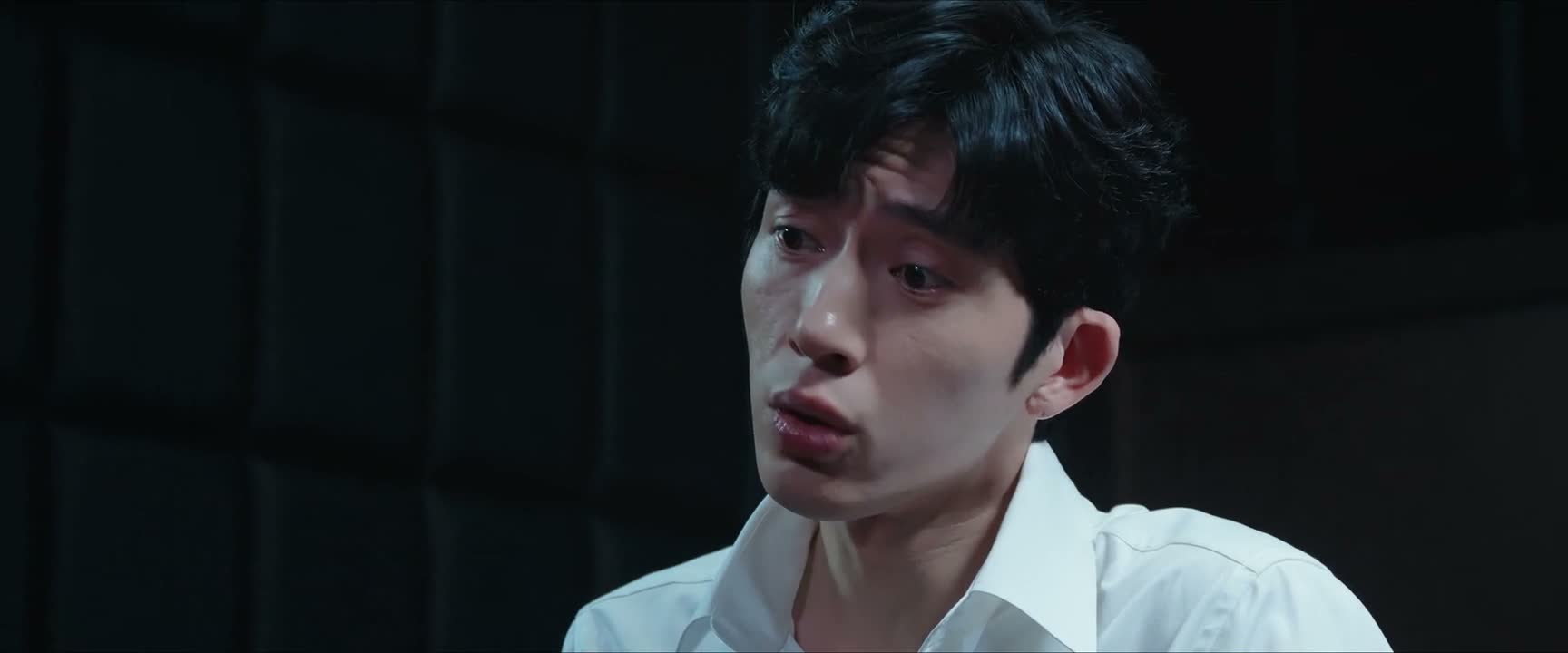
“The more exaggerated, the better.”

“You're being overly exaggerating.”
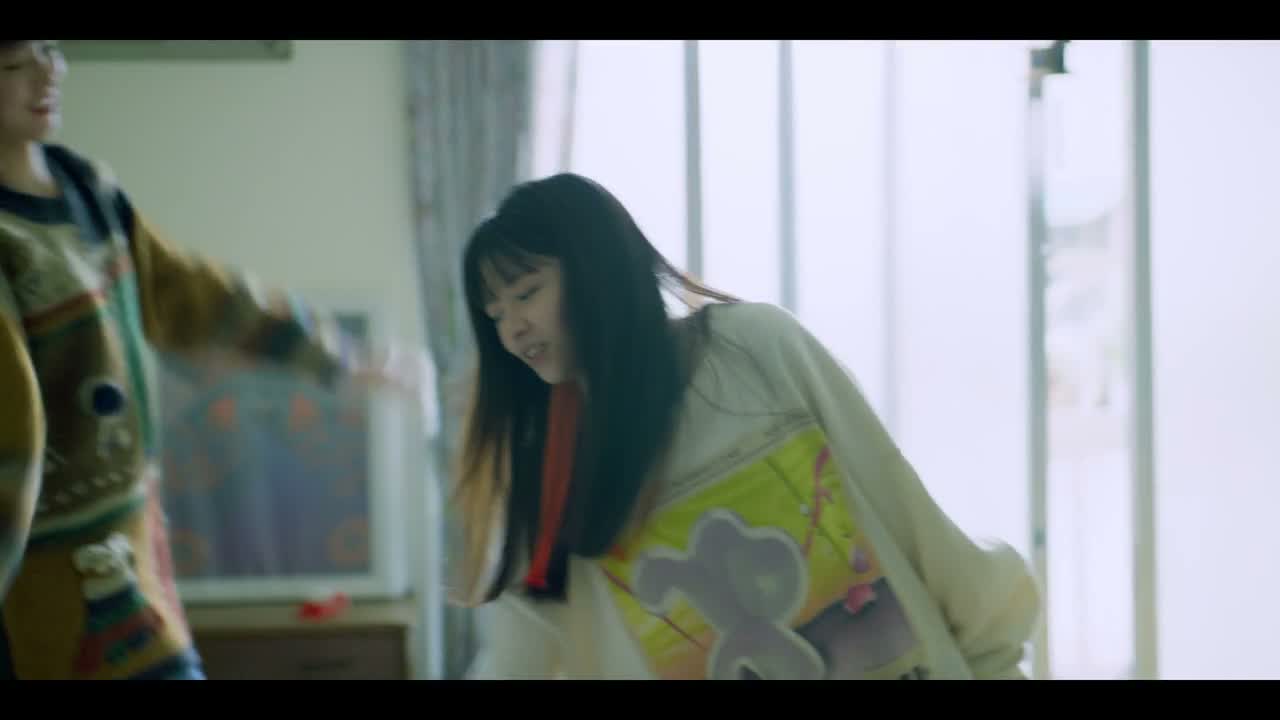
“You're too much.”

“Now you've realized you made a scene?”

“Don't be so dramatic.”

“You should have expressed all your emotions”