MC
MandarinClips Cinema Corpus
《The Dream Maker》 S1·E13 (14:13) HSK 7
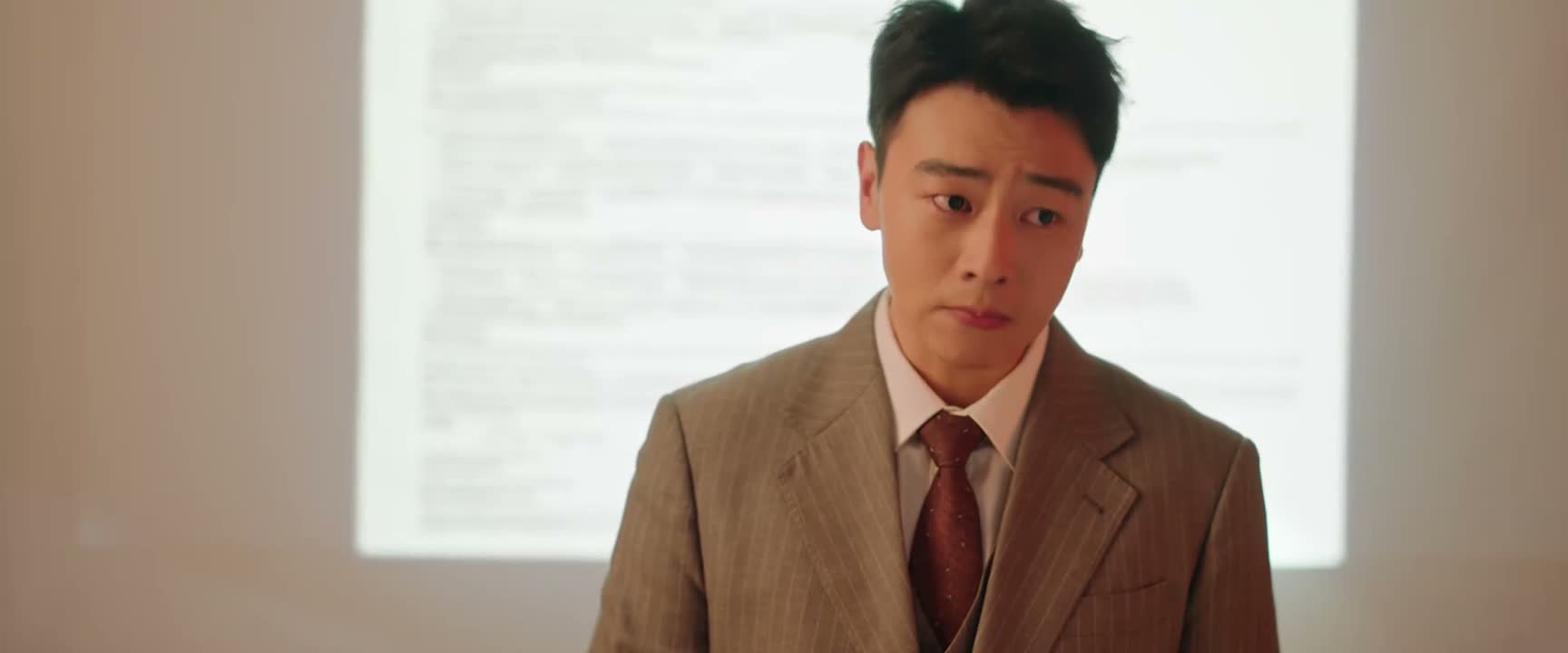
qǐ bù shì yuān wǎng le nǐ zhè ge dà hǎo rén ma

岂不是冤枉了 你这个大好人吗

“Wouldn't that be wrongly accusing a good man?”

《The Dream Maker》 S1·E13
TIMECODE: 14:13 · 1080P MASTER AUDIO

THE DIALOGUE REEL

1+1+1 SPOKEN CONTINUITY
[-1] PREVIOUS TURN píng shén me gěi nǐ zhèng dé chéng chǔ fèn

凭什么给你郑德诚处分

“then why should the leaders present here today punish you?”

qǐ bù shì yuān wǎng le nǐ zhè ge dà hǎo rén ma CURRENT FOCUS

岂不是 冤枉了 你 这个 大 好人 吗

“Wouldn't that be wrongly accusing a good man?”

[+1] FOLLOW-UP TURN shì a

是啊

“- Exactly! - Exactly!”

Subtitles synced to millisecond timecode Browse Show Clips →
Scene: Workplace
Function: APPEALING TO JUSTICE
Tone: SUPPORTIVE
Emotion: SYMPATHY
WHAT THEY REALLY MEAN (PRAGMATIC SUBTEXT)
“Punishing you would be an absolute travesty of justice given how decent you are.”
💡 Cultural Insight: Moral Vindication (冤枉好人)

Wronging a virtuous person carries heavy moral weight in Chinese culture, where public standing and moral integrity are paramount in community and political evaluation.

INTENT TAGS: #defending #vindication #solidarity #rhetorical_question
🧩

LEARNING CHUNKS & PARTICLES

2 CHUNKS · 1 PARTICLES
岂不是 SPOKEN CHUNK

wouldn't it be; wouldn't that mean

A rhetorical device used in spoken and semi-formal Chinese to argue that a proposed consequence is absurd or unacceptable.

大好人 SPOKEN CHUNK

a genuinely good person; a great person

Often used sincerely to praise someone's selfless moral character, though sometimes used sarcastically in other contexts.

Modal Particle「吗」 (ma) CHANGE OF STATE

Turns the rhetorical assertion into a question, inviting immediate agreement from the listener.
🏮

VOCABULARY & EXPRESSIONS

4 EXPR · 2 GRAMMAR
CROSS-CINEMA CORPUS BOARD · PARALLEL SCENES

Parallel Spoken Cinema Scenes (语义近邻切片)

EXPLORE BY SEMANTIC SIMILARITY
《The Dream Maker》 S1·E13 (14:13) · Authentic Cinema Dialogue Corpus