没人敢要 那我拿去烧了 你别
“No one wants it? I'll burn it, then. No.”
THE DIALOGUE REEL
“other than me would want that.”
没人敢 要 那我 拿去烧了 你别
“No one wants it? I'll burn it, then. No.”
一块五
“1.50 yuan.”
“Don't try to rip me off by claiming it is worthless; I'd rather destroy it than give it away.”
Street-level bargaining in China often involves theatrical brinkmanship, where sellers threaten to walk away or destroy items to test the buyer's true interest.
LEARNING CHUNKS & PARTICLES
no one dares to take/buy it
Used to describe an undesirable, risky, or contested item that buyers shy away from.
take it to burn it
A dramatic exaggeration used in negotiations to show that one would rather destroy goods than accept an insultingly low offer.
Indicates an imminent change of state and readiness to take immediate action.
VOCABULARY & EXPRESSIONS
Parallel Spoken Cinema Scenes (语义近邻切片)
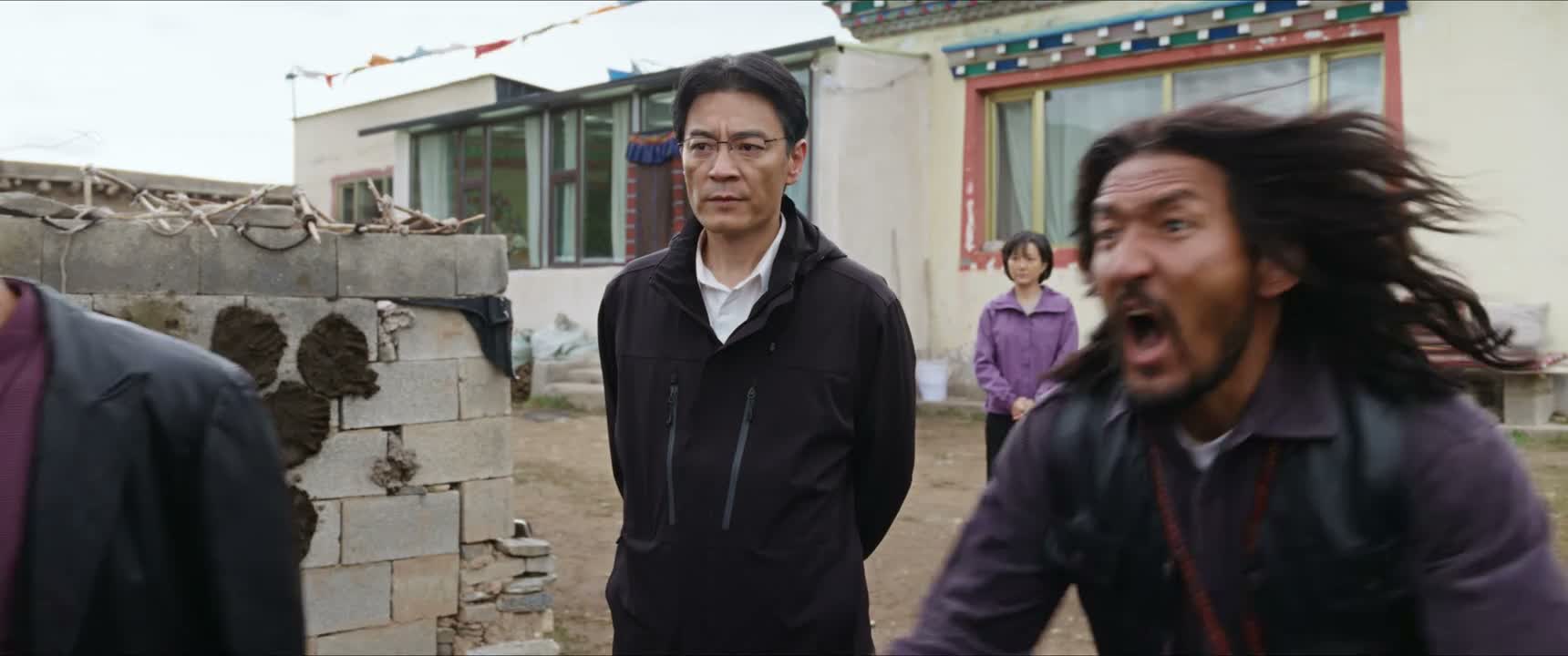
“Don't you dare. Move aside! Don't fight!”

“I can't accept this. Take it back. Take it back.”

“Who else would dare?”
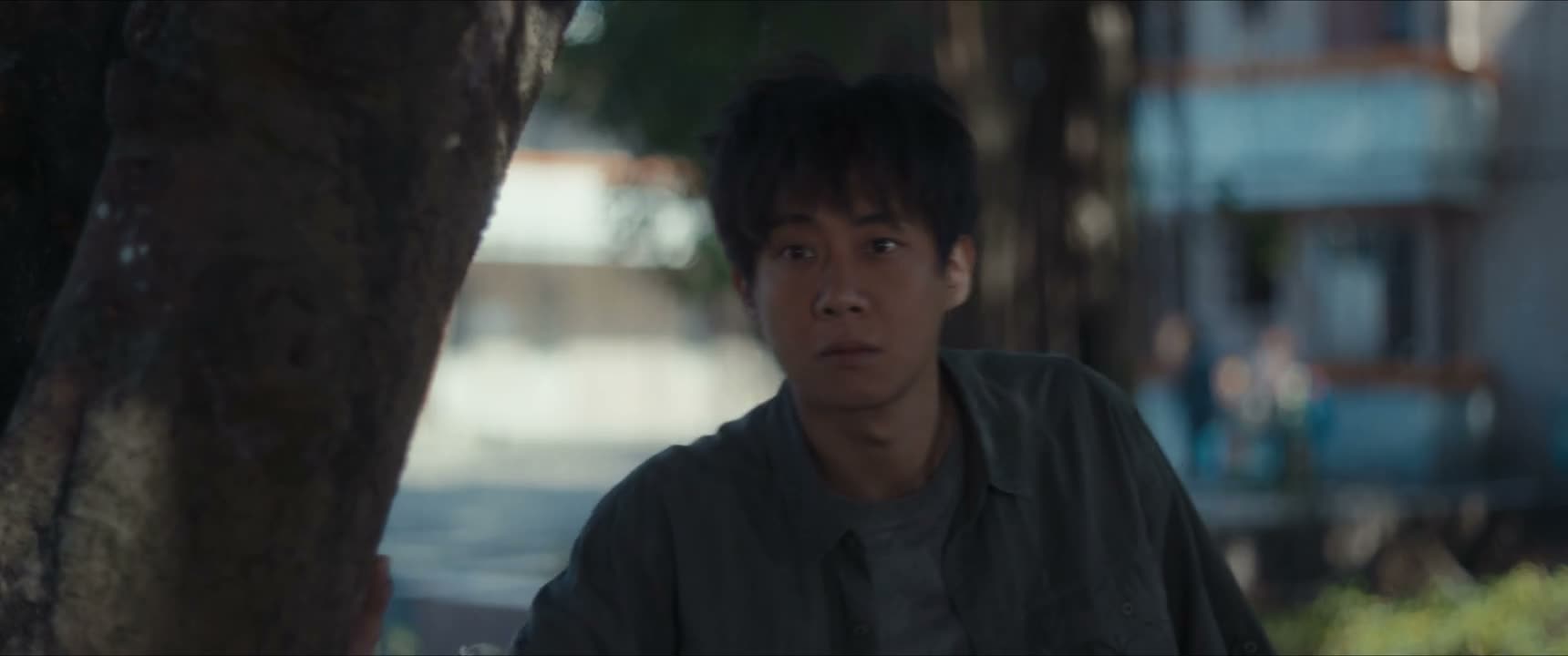
“I won't do it again. Please let me go.”
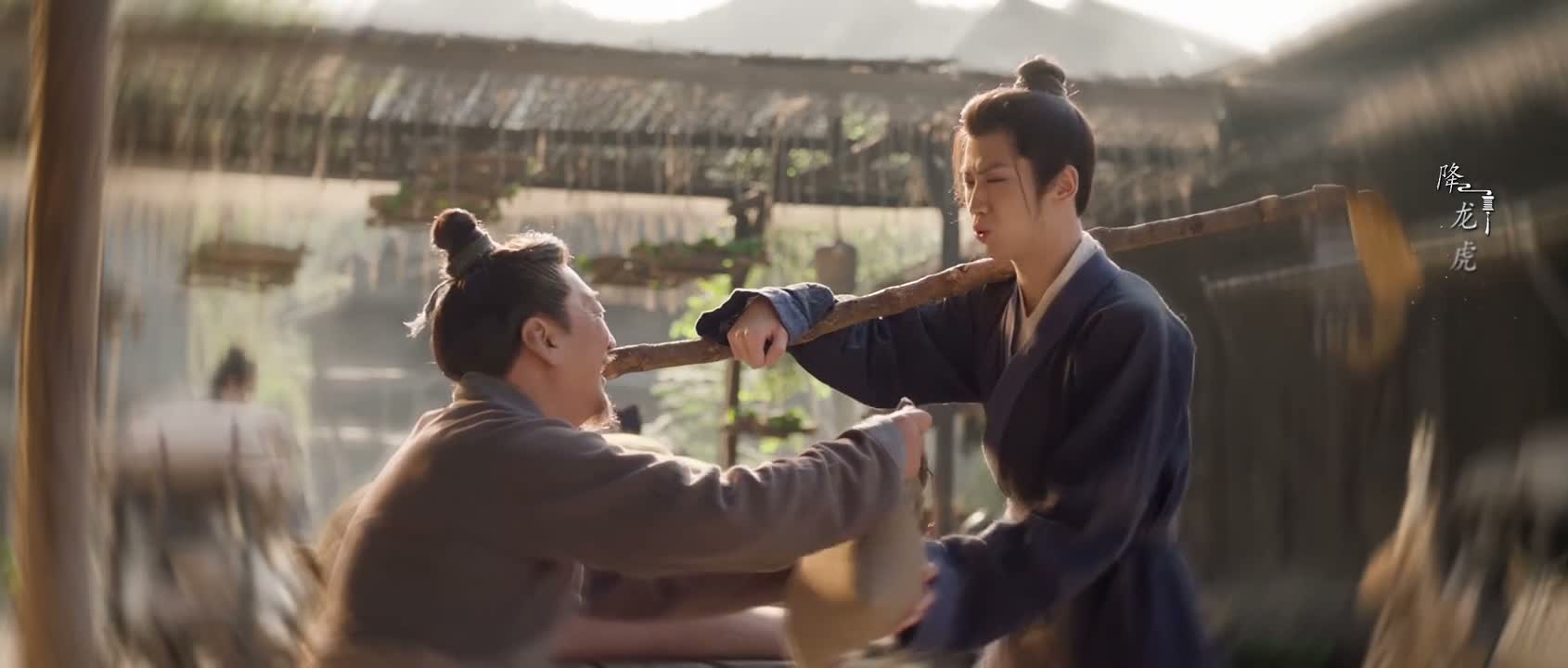
“I... I can't take it. Just take it.”

“I won't dare anymore. I will never act on my own again.”