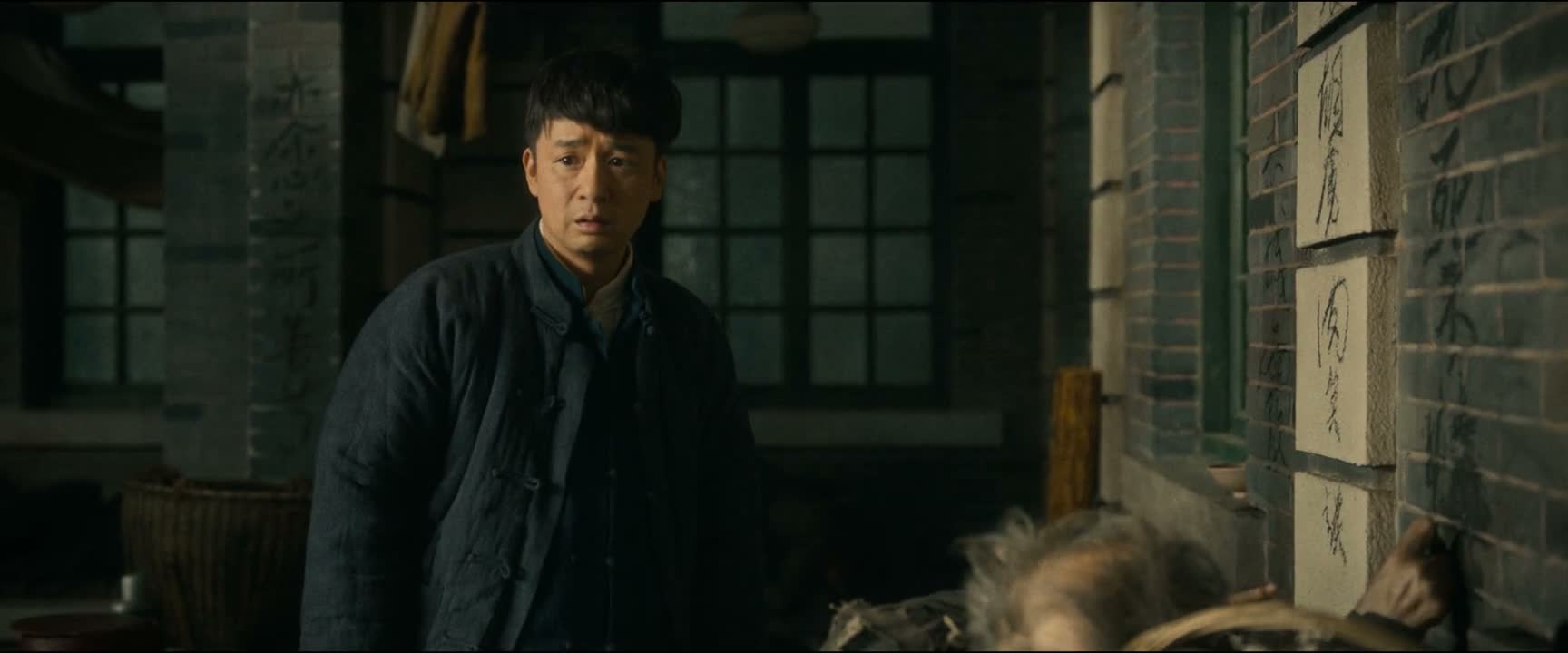
我当时是在街上晕倒的
“I passed out on the street.”
THE DIALOGUE REEL
可我记得
“But I remember”
我 当 时 是 在街上晕倒 的
“I passed out on the street.”
应该是有人救了我
“Someone must have saved me.”
Direct spoken expression in this communicative setting.
Mandarin speakers use the '是……的' pattern to draw particular focus to the details (time, location, manner) of an already completed event rather than the action itself.
LEARNING CHUNKS & PARTICLES
to faint / pass out
Standard everyday verb for losing consciousness suddenly.
on the street / in public
Common locational phrase used to indicate an open, public setting.
Marks the 'shi...de' construction to emphasize the specific location and circumstances of the past event.
VOCABULARY & EXPRESSIONS
Parallel Spoken Cinema Scenes (语义近邻切片)
“They said he was knocked unconscious and lying by the road.”

“So, you fainted. But it's nothing serious.”

“Although I passed out from being burned,”

“He fainted from fright and hasn't woken up yet.”

“What's happening? It's flooded?”

“they encountered some accident on the way”