没关系 我们自己收拾收拾就行
“It's fine. I can clean it up myself.”
THE DIALOGUE REEL
那房间 没收拾呢 又脏又乱的 还是招待所舒服
“We haven't cleaned up the room. It's a mess. The guesthouse is better.”
没关系 我们 自己 收拾收拾 就行
“It's fine. I can clean it up myself.”
太小了
“It's too small.”
“Do not go out of your way to accommodate us; we are totally fine with basic arrangements.”
Chinese guests frequently downplay hardships and emphasize self-sufficiency to save the host from feeling guilty or overextended.
LEARNING CHUNKS & PARTICLES
tidy up a bit
Verb reduplication softens the effort involved, making the task sound quick and non-burdensome.
it doesn't matter / no problem
The quintessential phrase for brushing aside concerns or politeness from others.
will do / is enough
Placed at the end of a clause to express satisfaction with a simple solution.
VOCABULARY & EXPRESSIONS
Parallel Spoken Cinema Scenes (语义近邻切片)

“I'll go clean the yard. No need. Let's continue to have fun.”

“It's alright. I'll simply walk back.”

“Do you want me to help you pack up?”
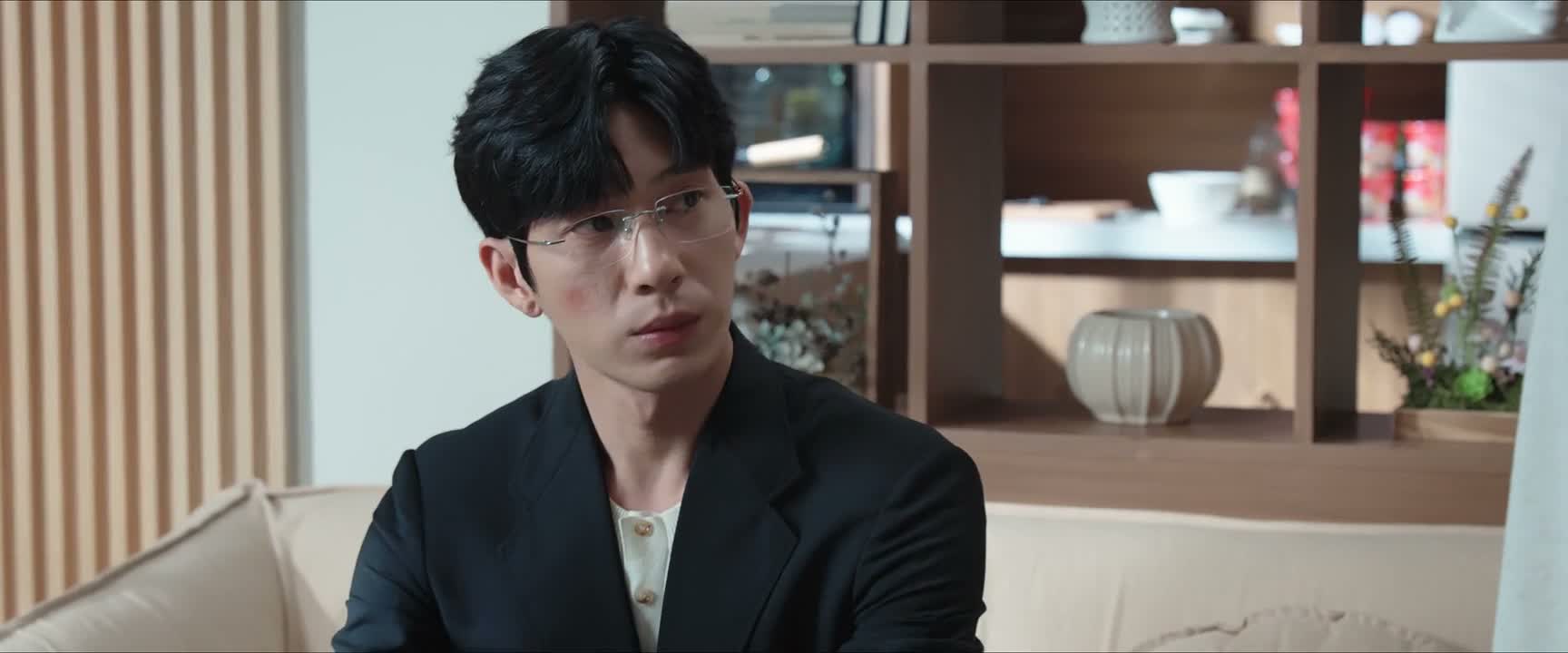
“I'm gonna pack some things. I'll be done soon. Then we can”

“No worries. I'm free, so let's go together.”
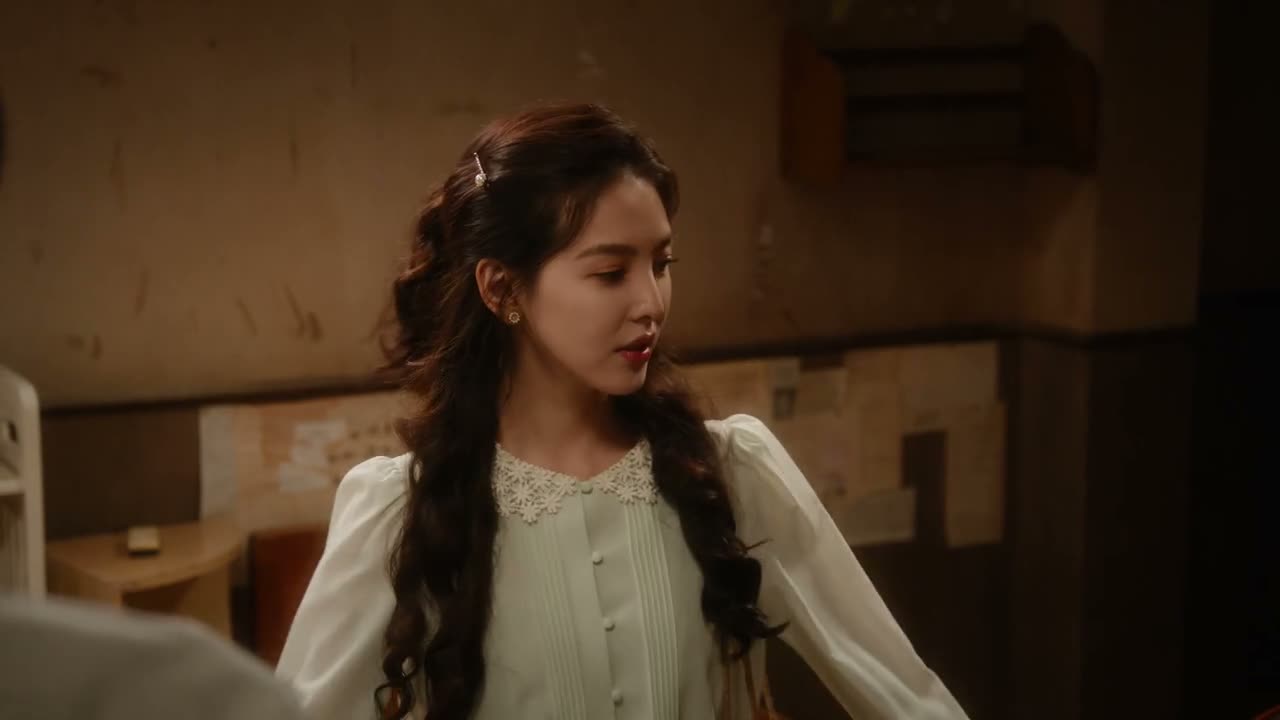
“I'll tidy this place up, and it'll look”