柳阿姨把你们当作亲生孩子
“Ms. Liu raised you like her own.”
THE DIALOGUE REEL
这是你们两个人小时候的乳牙
“These are the baby teeth you both lost as kids.”
柳阿姨 把 你们 当作亲生孩子
“Ms. Liu raised you like her own.”
在你们每一次换牙的时候
“Every time one of you lost a tooth,”
“She loved you like a real mother, so you have no right to treat her like an enemy.”
Step-parent relationships in Chinese culture are often laden with tension over inheritance and loyalty; proving that a stepmother treated stepchildren as her own biological offspring is crucial for moral legitimacy.
LEARNING CHUNKS & PARTICLES
treat as; regard as
Used to describe regarding or treating someone or something as if they were in a specific identity or role.
biological children; one's own flesh and blood
Contrasted with adopted children or stepchildren to emphasize genuine maternal or paternal affection.
VOCABULARY & EXPRESSIONS
Parallel Spoken Cinema Scenes (语义近邻切片)
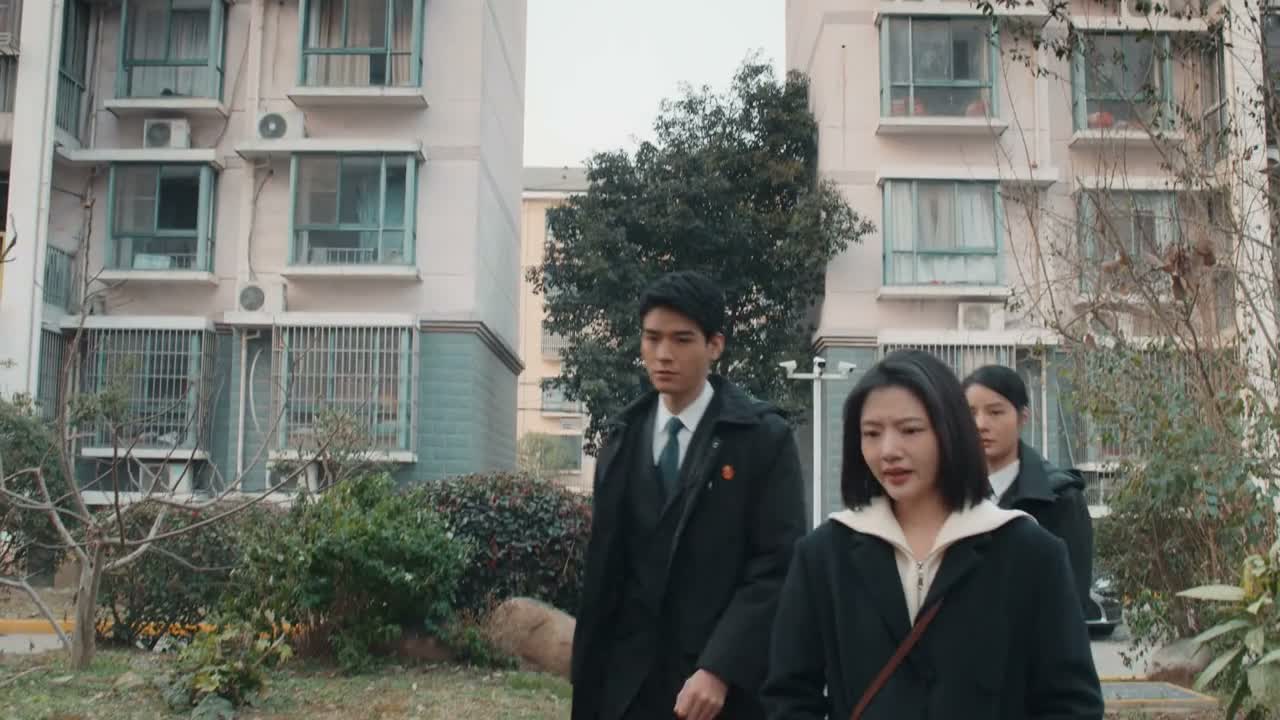
“How could Ms. Liu's children behave like this?”

“Don't worry, Ms. Liu. You're completely in the right here.”

“Ms. Liu has been desperate to get her husband's ashes back.”
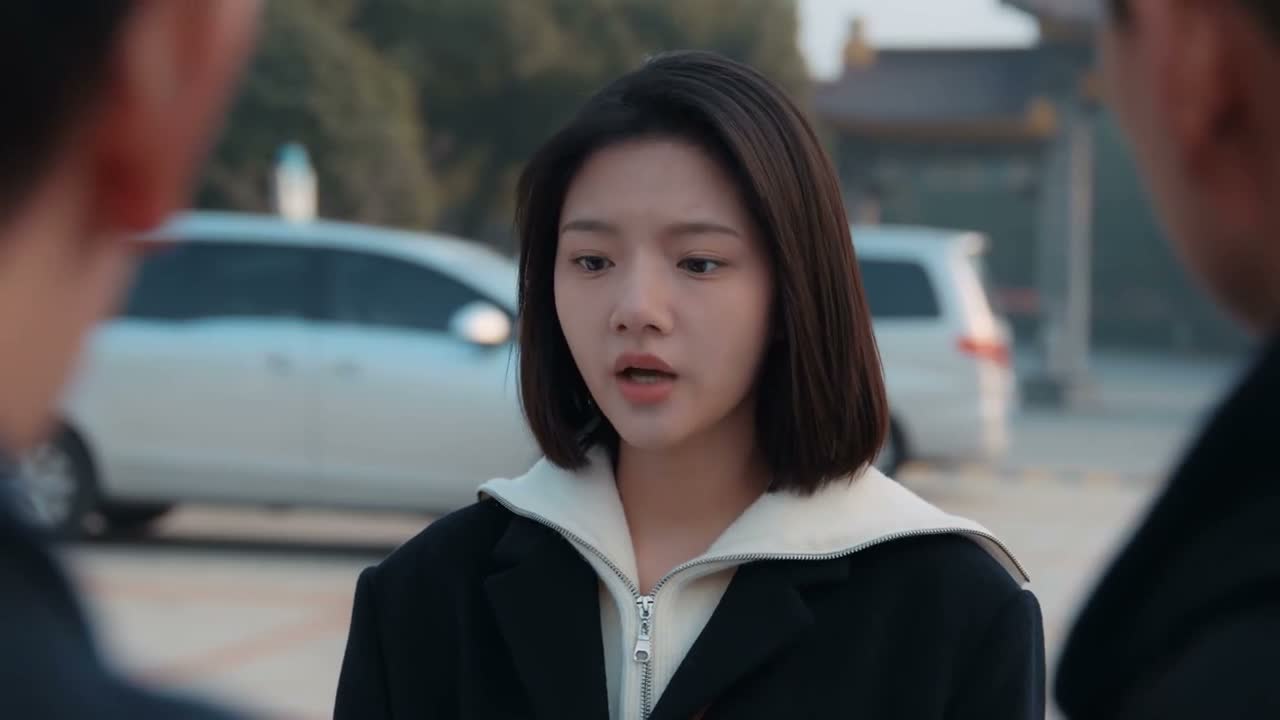
“These are Ms. Liu's treasures.”

“Ms. Liu values that urn more than her own life.”

“If Ms. Liu really has something she can't say,”