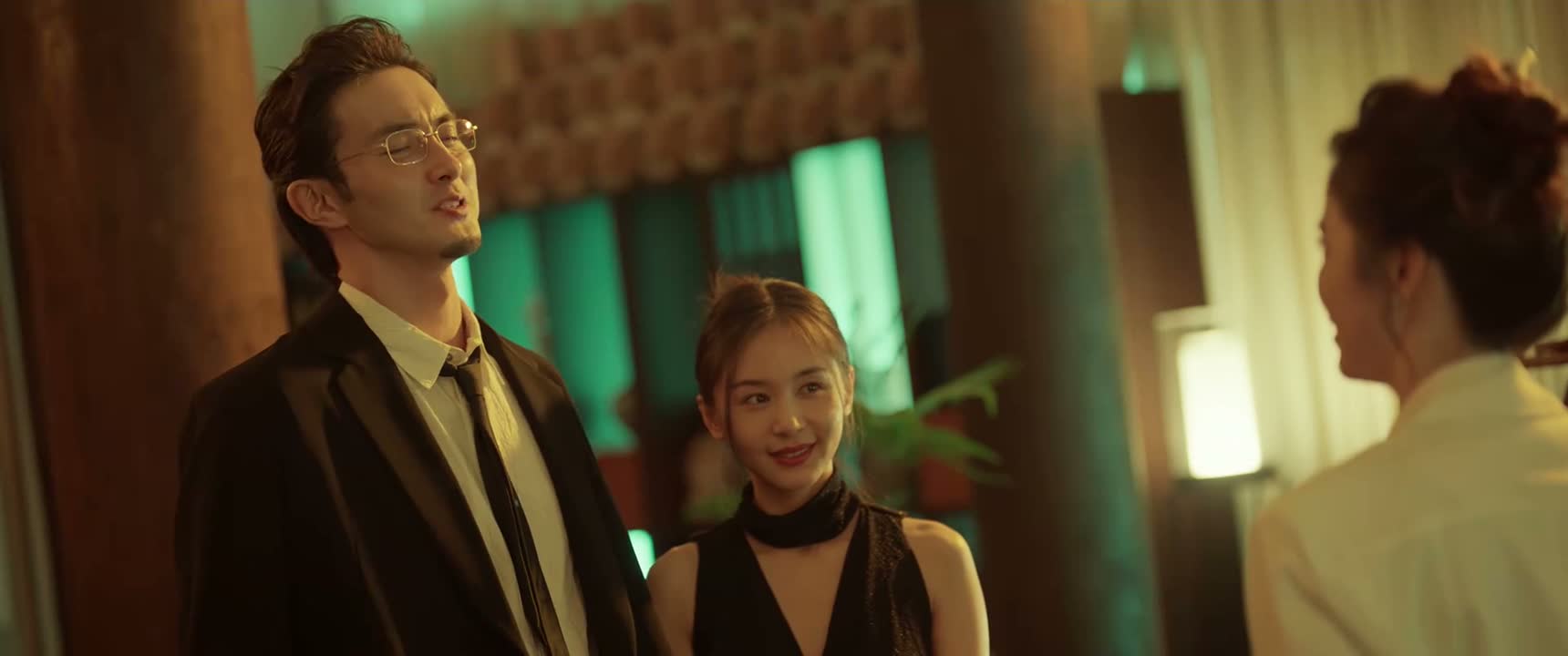
我的文采不好 我顶多就回一个 过奖了
“I'm not much with words. At most I'd write back... "Too kind."”
THE DIALOGUE REEL
我的 文采不好 我 顶多 就回一个 过奖了
“I'm not much with words. At most I'd write back... "Too kind."”
谢谢您
“"Thank you."”
Direct spoken expression in this communicative setting.
Chinese cultural etiquette places high value on modesty; accepting compliments directly is often avoided in favor of deflective set phrases like '过奖了'.
LEARNING CHUNKS & PARTICLES
literary talent / flair
Refers to elegance and style in writing; frequently used in self-deprecating phrases like 文采不好.
you flatter me / overpraised
A classic, indispensable polite formula used to respond to compliments with modesty.
at most
An adverb used to set an upper limit on capability, quantity, or outcome.
Part of the fixed polite formula '过奖了', softening the response to a compliment.
VOCABULARY & EXPRESSIONS
Parallel Spoken Cinema Scenes (语义近邻切片)

“I'm flattered. Truly flattered.”

“Is my literary talent really meant for this?”

“It's not great. Will this do?”
“You're flattering me, Guan.”

“If it's terrible, you can scold me.”

“Thanks for the compliment. I'll take my leave then.”