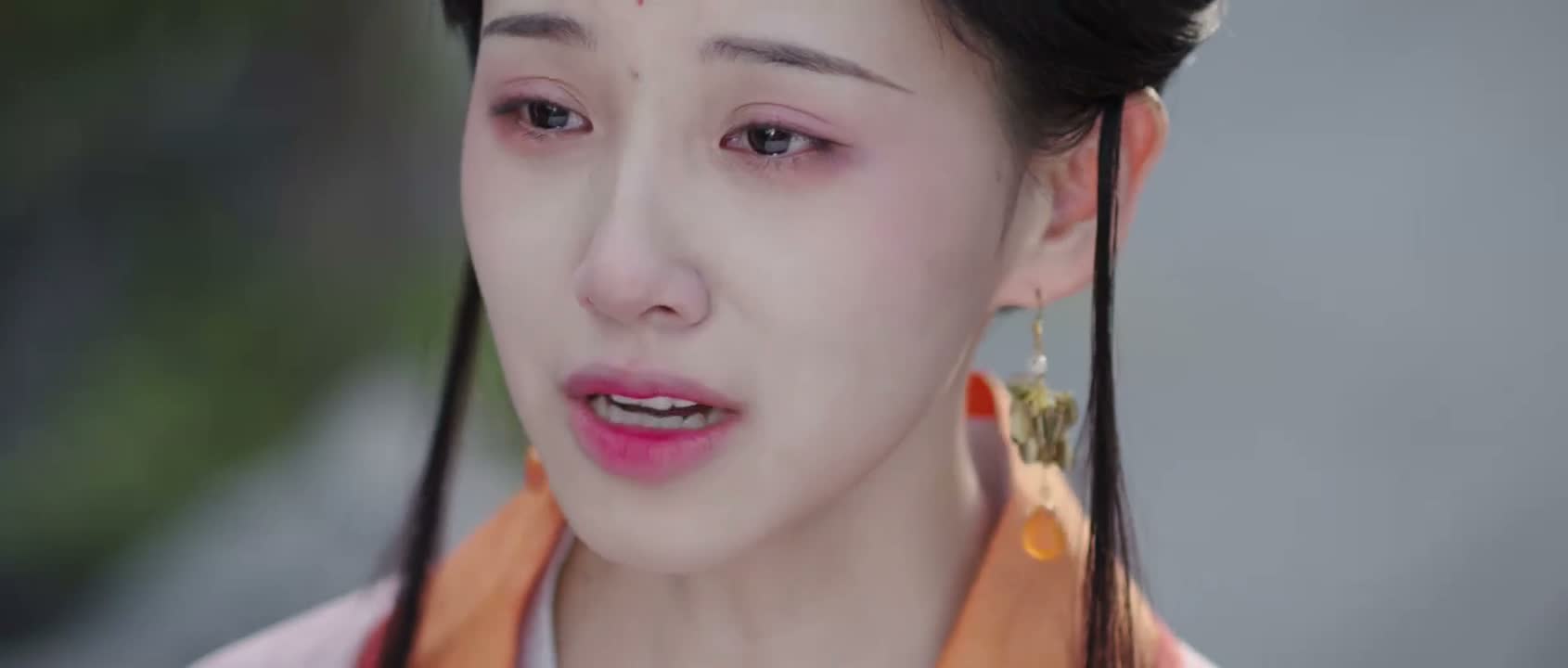
你让她怎么表示反对呢
“How could she possibly object him?”
THE DIALOGUE REEL
那是因为张怡喝醉了
“Zhang Yi was drunk at that time.”
你 让她 怎么 表示反对 呢
“How could she possibly object him?”
醉到什么程度
“To what extent?”
“She was completely incapacitated; it is ridiculous to expect her to have fought back.”
Reflects evolving modern Chinese discussions on intoxication and agency, moving away from victim-blaming toward recognizing the inability to consent when incapacitated.
LEARNING CHUNKS & PARTICLES
to express objection or opposition
A formal and versatile collocation commonly used in legal, debate, or workplace contexts.
how could one possibly express
A rhetorical device used to emphasize that doing something was completely impossible under the circumstances.
Softens the rhetorical question while prompting the listener to seriously reflect on the implied point.
VOCABULARY & EXPRESSIONS
Parallel Spoken Cinema Scenes (语义近邻切片)
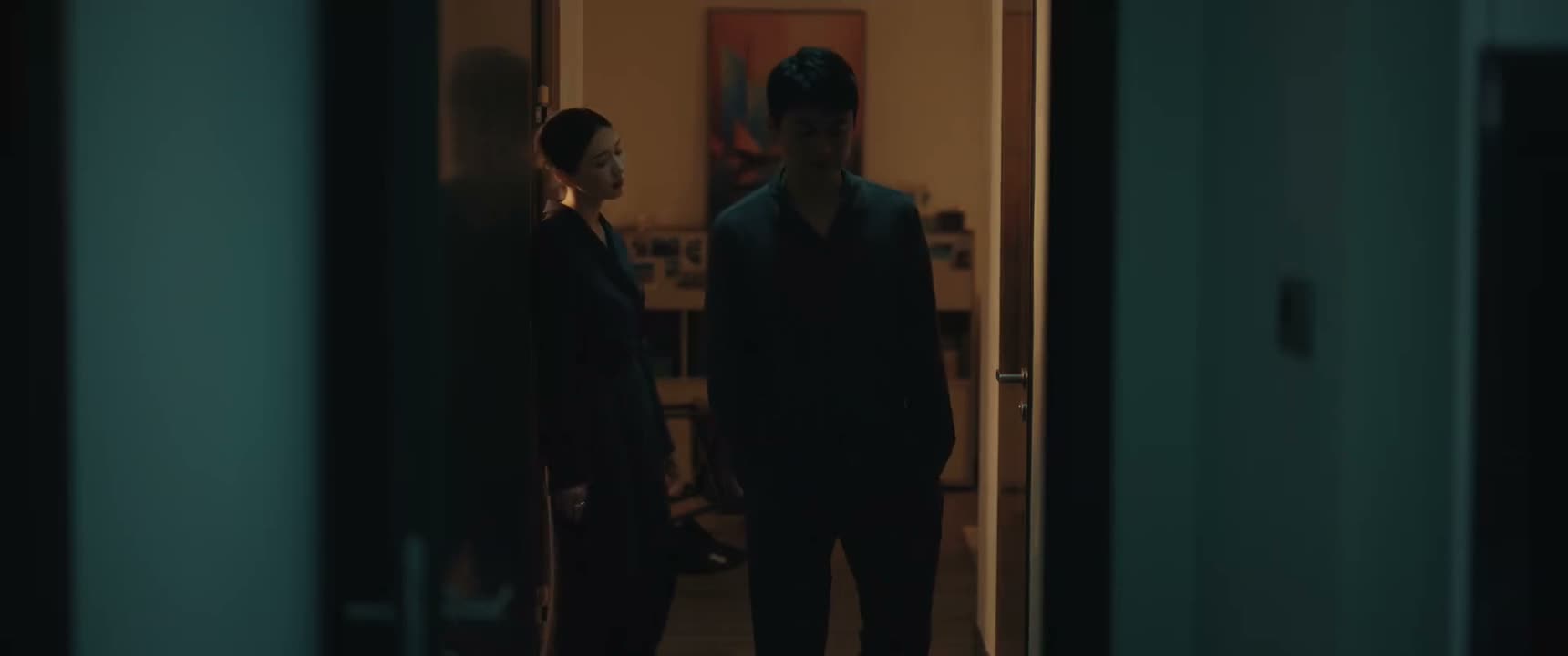
“Then her silence means opposition.”
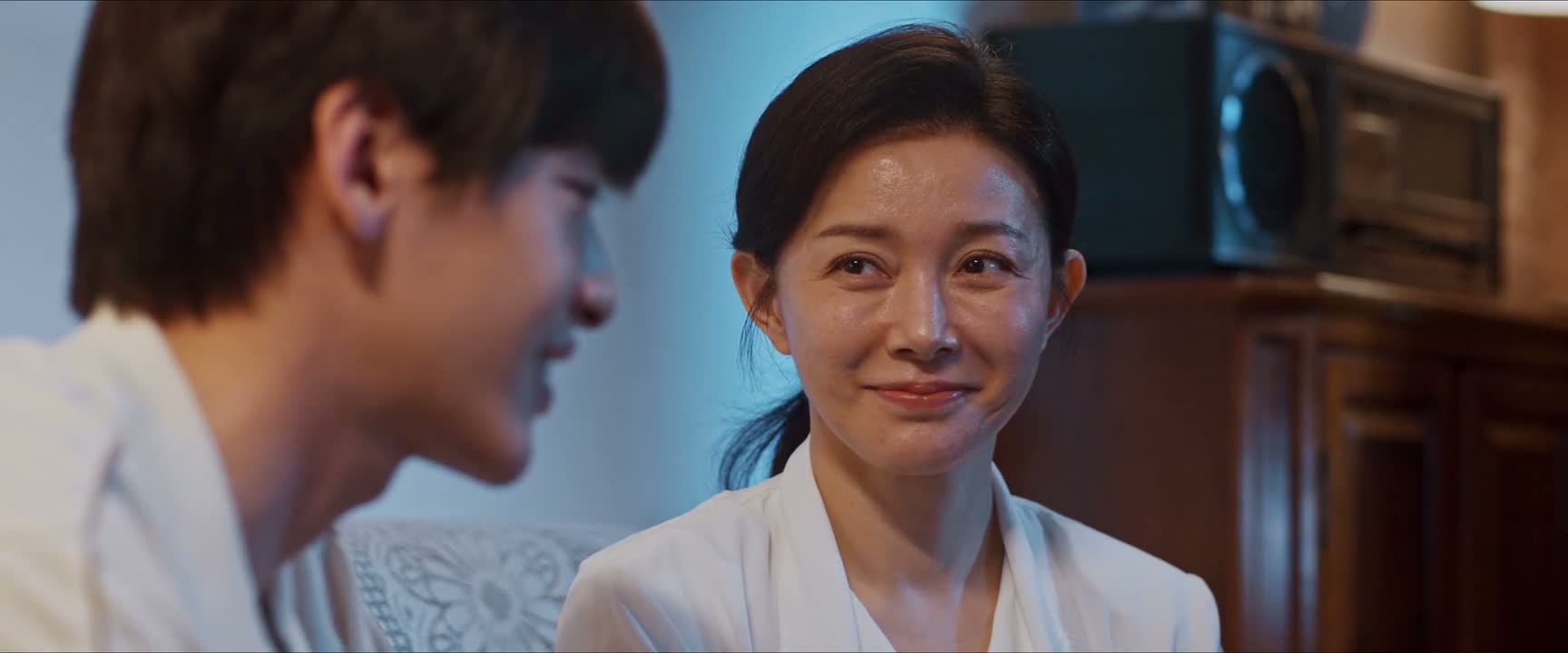
“But... she turned me down.”

“they will definitely be against it.”
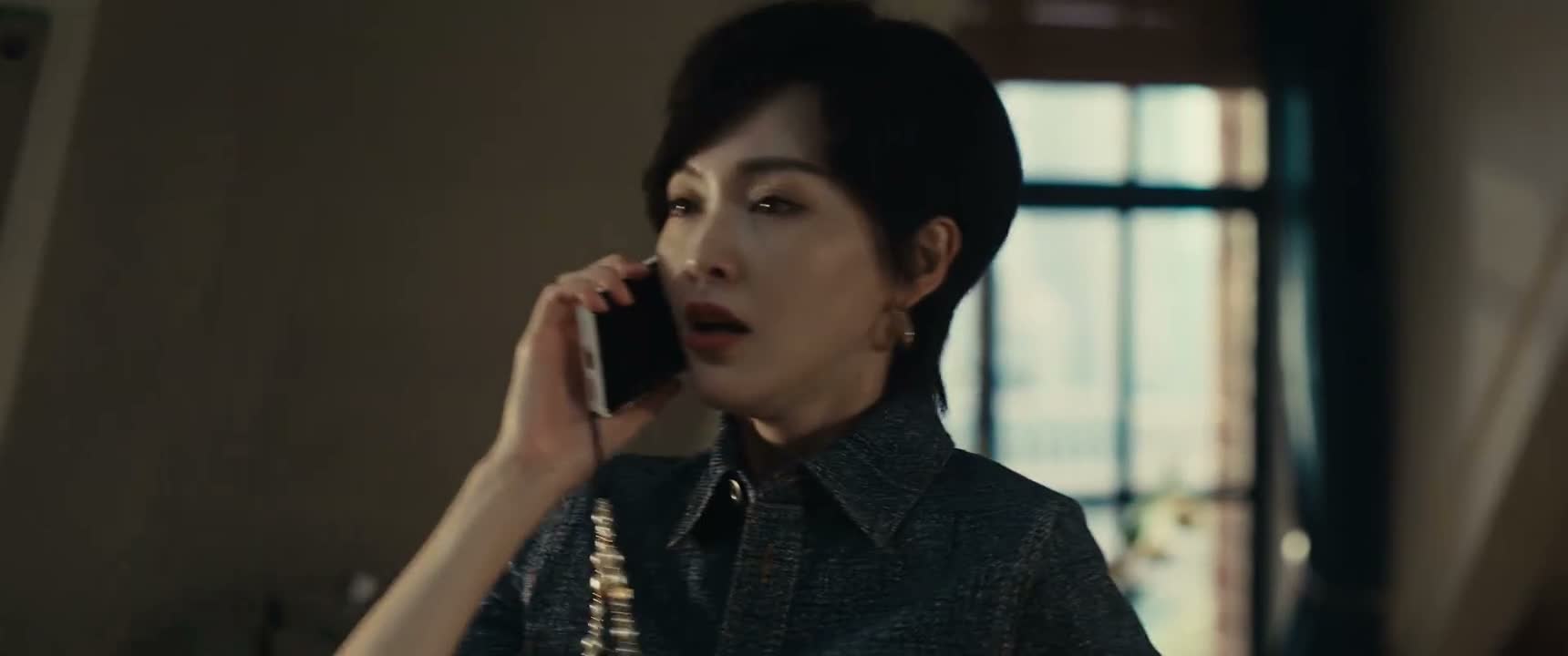
“Whatever she wants to say, just let her say it.”
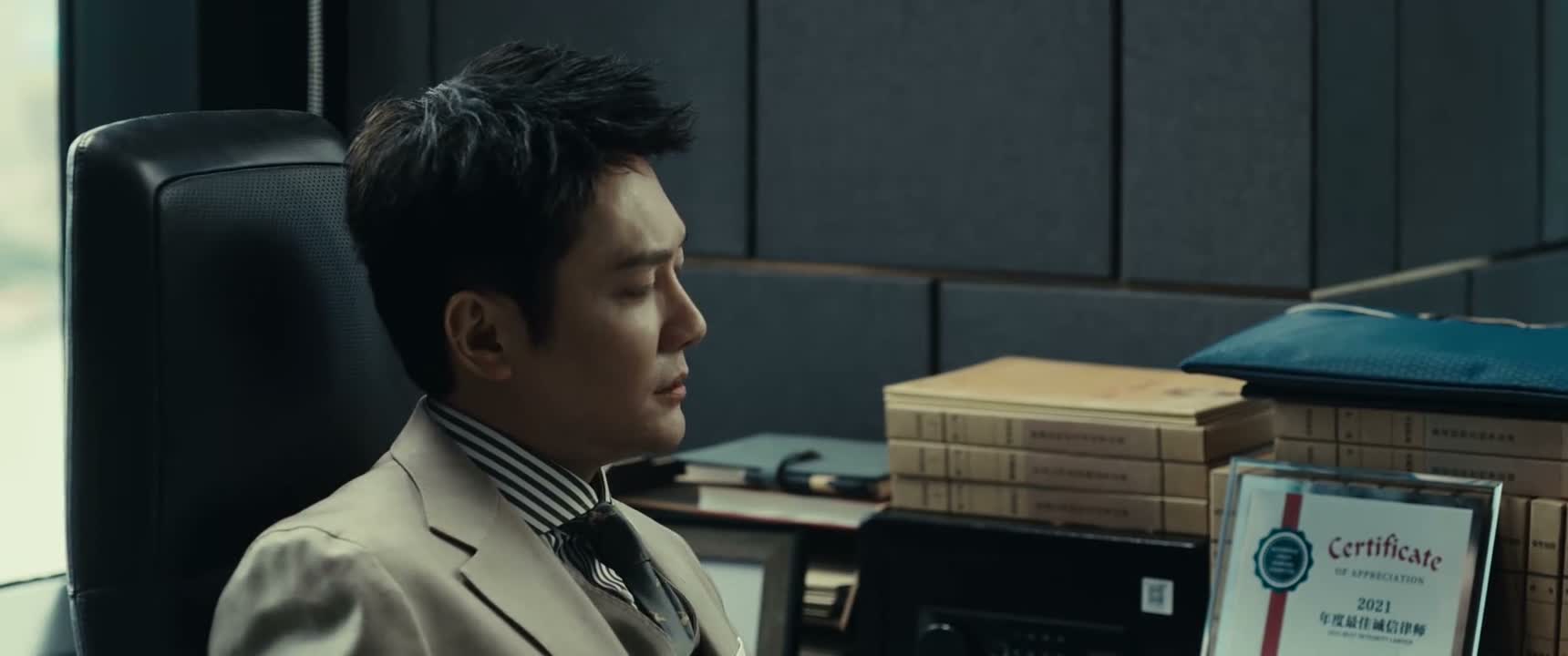
“What if she does not agree?”
“How can she be like that?”