别喊 马上就到了 还那个疼嘛 别喊
“Quiet. Almost there. It still hurts? Quiet.”
THE DIALOGUE REEL
“- Hang in there. - Slow down. - Make way. - Slow down.”
别喊 马上就到 了 还 那个 疼嘛 别喊
“Quiet. Almost there. It still hurts? Quiet.”
小心 小心 让一下
“Careful. Let us through.”
Direct spoken expression in this communicative setting.
Advising someone in pain not to cry out ('别喊') is a typical Chinese way of urging endurance and emotional composure during a crisis.
LEARNING CHUNKS & PARTICLES
arriving very soon / almost there
Extremely frequent reassuring phrase used when reaching a destination imminently.
don't shout / stop crying out
Used to tell someone who is crying or screaming in pain to calm down and conserve strength.
Softens the inquiry about pain, expressing empathy and seeking confirmation.
Indicates completion or immediate change of state in '马上就到了'.
VOCABULARY & EXPRESSIONS
Parallel Spoken Cinema Scenes (语义近邻切片)

“Don't scream. I mean you no harm. Don't be nervous. Here.”

“Don't shout. I came back to get something.”

“Alright, stop shouting. It's useless.”
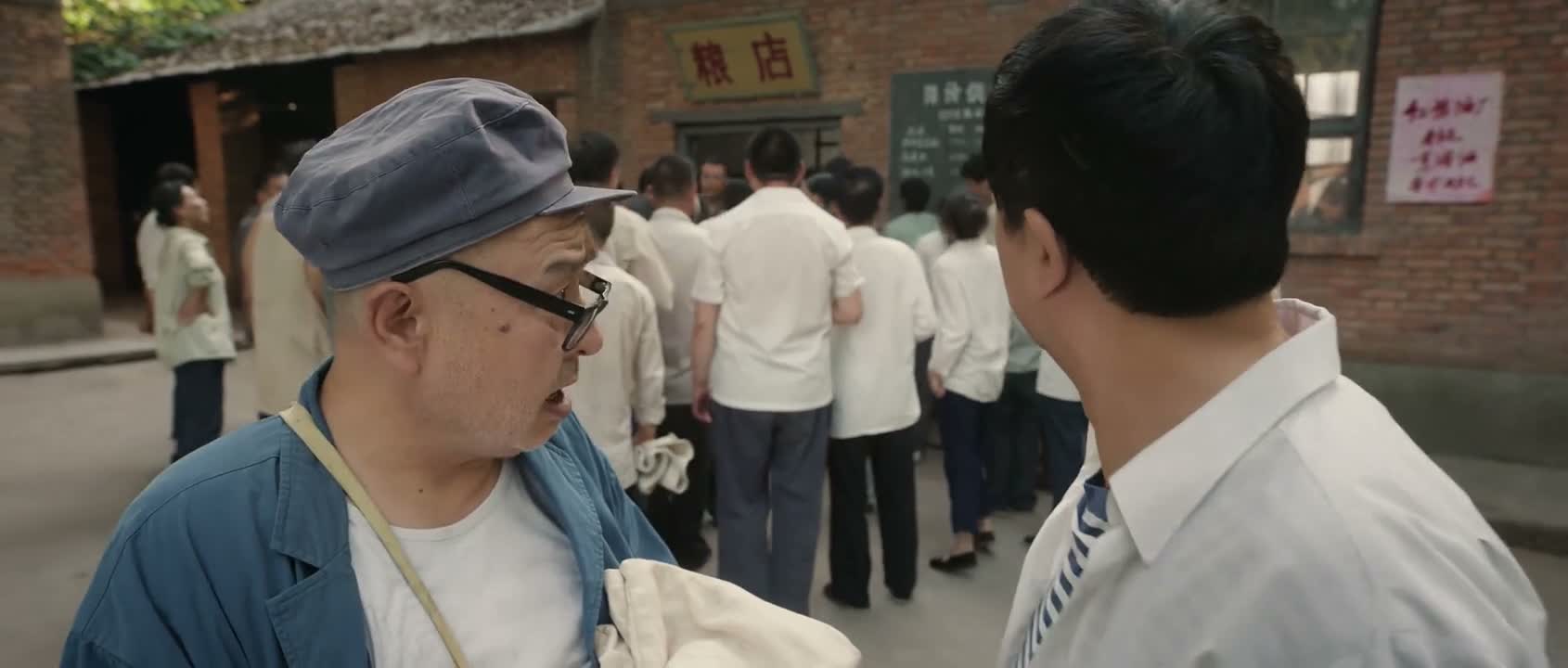
“- How? - I'm in a hurry.”

“Stop shouting. I'm sure no one is living here.”

“Now, he finally calls my name.”