您就抛下儿子和南赵子民先走了
“and abandon me and the people of Nanzhao before you achieve your ambition!”
THE DIALOGUE REEL
功业未成
“You left”
您 就 抛下 儿子 和南赵 子民 先走了
“and abandon me and the people of Nanzhao before you achieve your ambition!”
你这是干什么大军将
“What are you doing, Great General?”
“You left me alone to bear the heavy burden of ruling this kingdom.”
In traditional Chinese culture, referring to the death of a parent directly is avoided; phrases like 'departing early' soften the harsh reality while maintaining deep reverence.
LEARNING CHUNKS & PARTICLES
to abandon; to leave behind
Commonly used when someone abruptly leaves people who rely heavily upon them.
passed away first; departed beforehand
A respectful, euphemistic spoken phrase for death when addressing or referring to an elder.
Marks the completed change of state, highlighting the painful finality of the ruler's death.
VOCABULARY & EXPRESSIONS
Parallel Spoken Cinema Scenes (语义近邻切片)
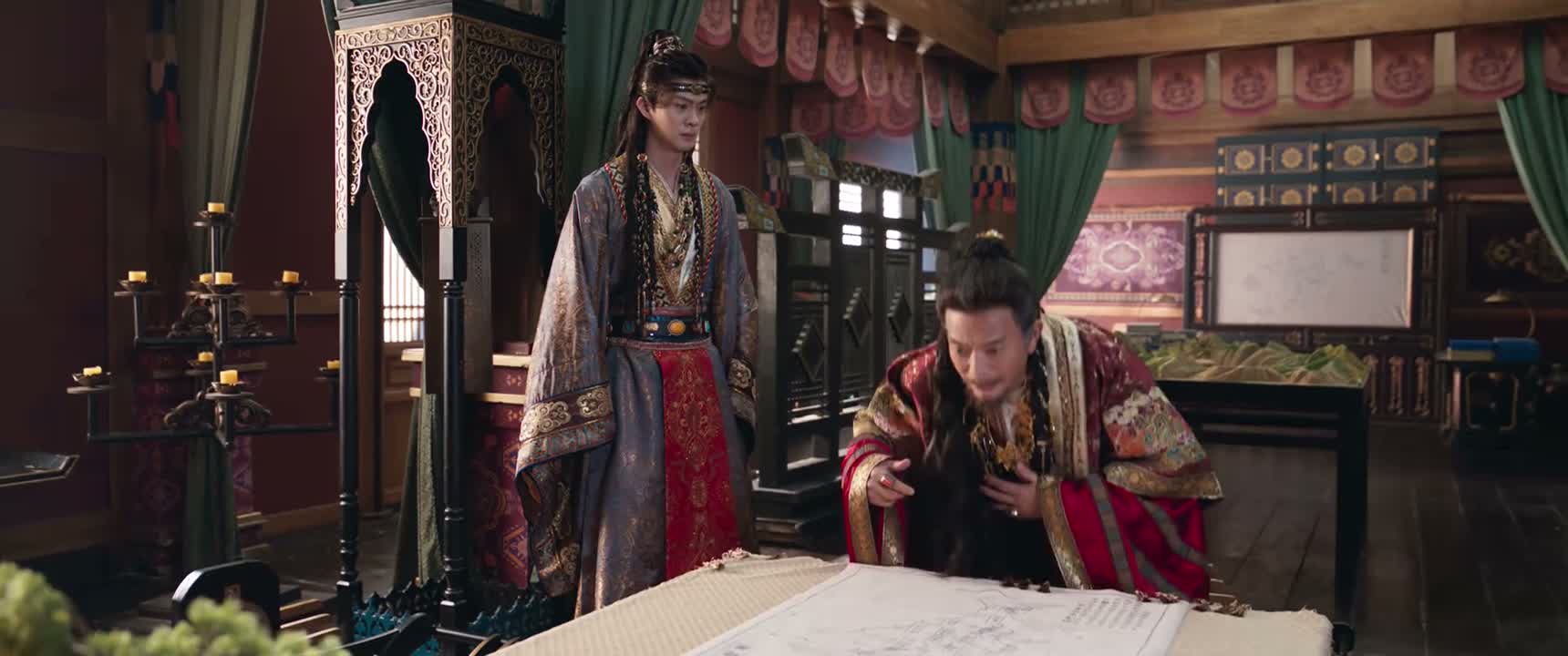
“As a subject of Nanzhao,”

“give us an explanation.”

“If it's Nanzhao acting alone,”

“(Nanzhao's ruthless ambition ends?)”
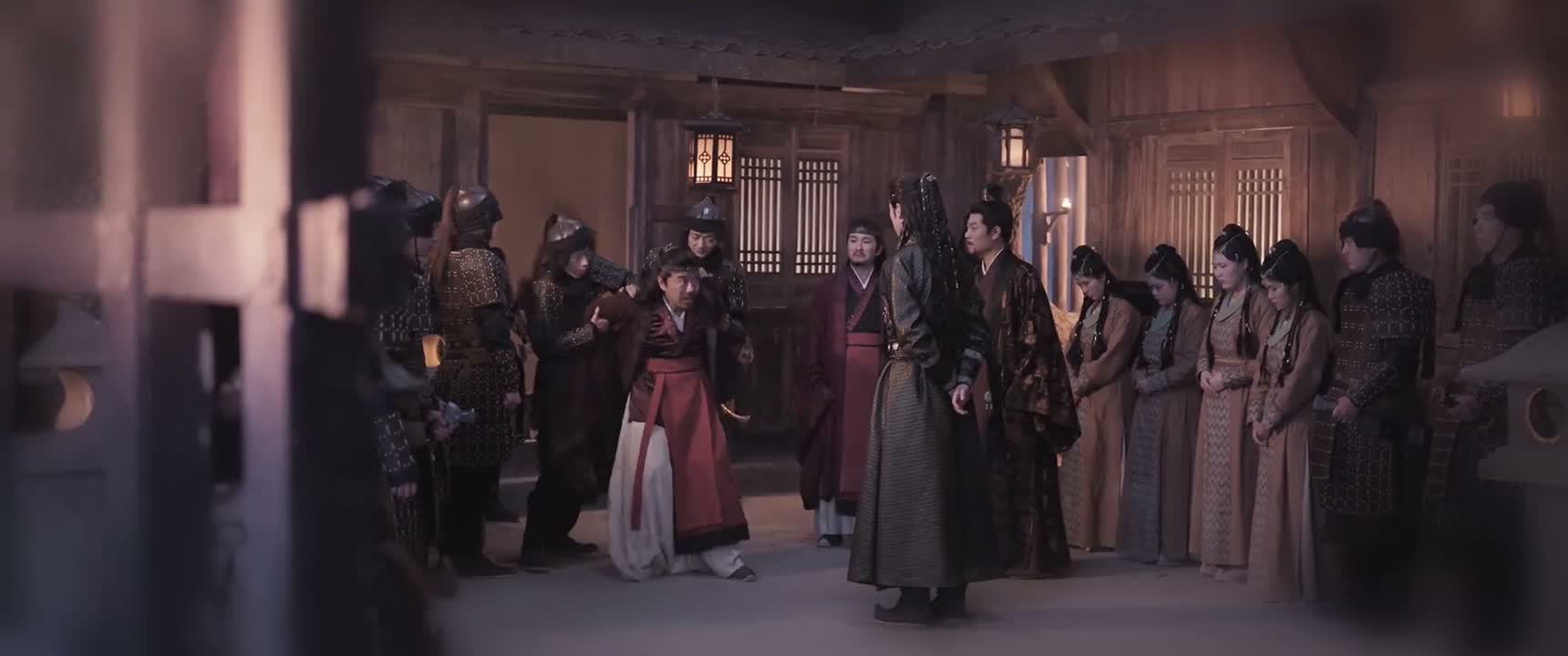
“you'd be elated by the news of the King of Nanzhao's passing”

“he is more worried about us dying in Nanzhao.”