MC
MandarinClips Cinema Corpus
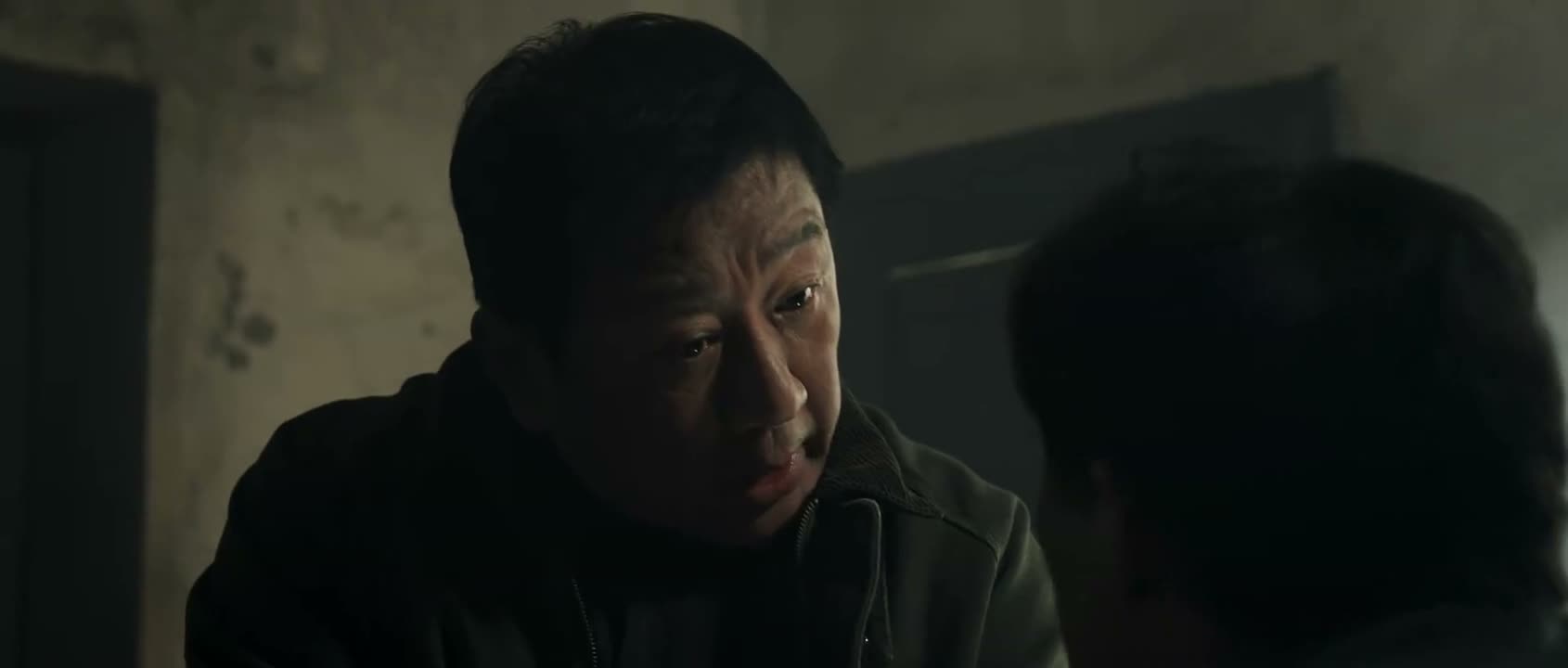
《The Imperial Coroner》 S2·E28 (24:23) HSK 7
suǒ yǐ dāng wǒ xǔ nuò tā kě yǐ dài zuì lì gōng

所以当我许诺他可以戴罪立功

“When I promised to let him atone for his crimes for doing a great deed,”

《The Imperial Coroner》 S2·E28
TIMECODE: 24:23 · 1080P MASTER AUDIO

THE DIALOGUE REEL

1+1+1 SPOKEN CONTINUITY
[-1] PREVIOUS TURN nǐ yě bú huì liú tā tài jiǔ

“you won't keep him alive for too long.”

suǒ yǐ dāng wǒ xǔ nuò tā kě yǐ dài zuì lì gōng CURRENT FOCUS

所以当 我许诺他 可以 戴罪立功

“When I promised to let him atone for his crimes for doing a great deed,”

[+1] FOLLOW-UP TURN tā bìng wèi guò duō yóu yù

“he did not hesitate for too long.”

Subtitles synced to millisecond timecode Browse Show Clips →
Scene: Legal & Police
Function: EXPLAINING STRATEGY
Tone: ANALYTICAL
Emotion: CALMNESS
WHAT THEY REALLY MEAN (PRAGMATIC SUBTEXT)

Direct spoken expression in this communicative setting.

💡 Cultural Insight: Dai Zui Li Gong (Redemption Through Service)

A traditional legal and administrative concept in Chinese statecraft where offenders are granted clemency if they render valuable service to the state.

INTENT TAGS: #explanation #strategy #negotiation #legal_incentive
🧩

LEARNING CHUNKS & PARTICLES

2 CHUNKS · 0 PARTICLES
戴罪立功 SPOKEN CHUNK

to atone for a crime by performing good deeds or meritorious service

A widespread idiom used in legal, historical, and professional contexts when giving an offender a chance to redeem themselves.

许诺 SPOKEN CHUNK

to promise; to pledge

A formal verb used to denote making an official or solemn commitment.

🏮

VOCABULARY & EXPRESSIONS

2 EXPR · 6 GRAMMAR
CROSS-CINEMA CORPUS BOARD · PARALLEL SCENES

Parallel Spoken Cinema Scenes (语义近邻切片)

EXPLORE BY SEMANTIC SIMILARITY
《The Imperial Coroner》 S2·E28 (24:23) · Authentic Cinema Dialogue Corpus