MC
MandarinClips Cinema Corpus
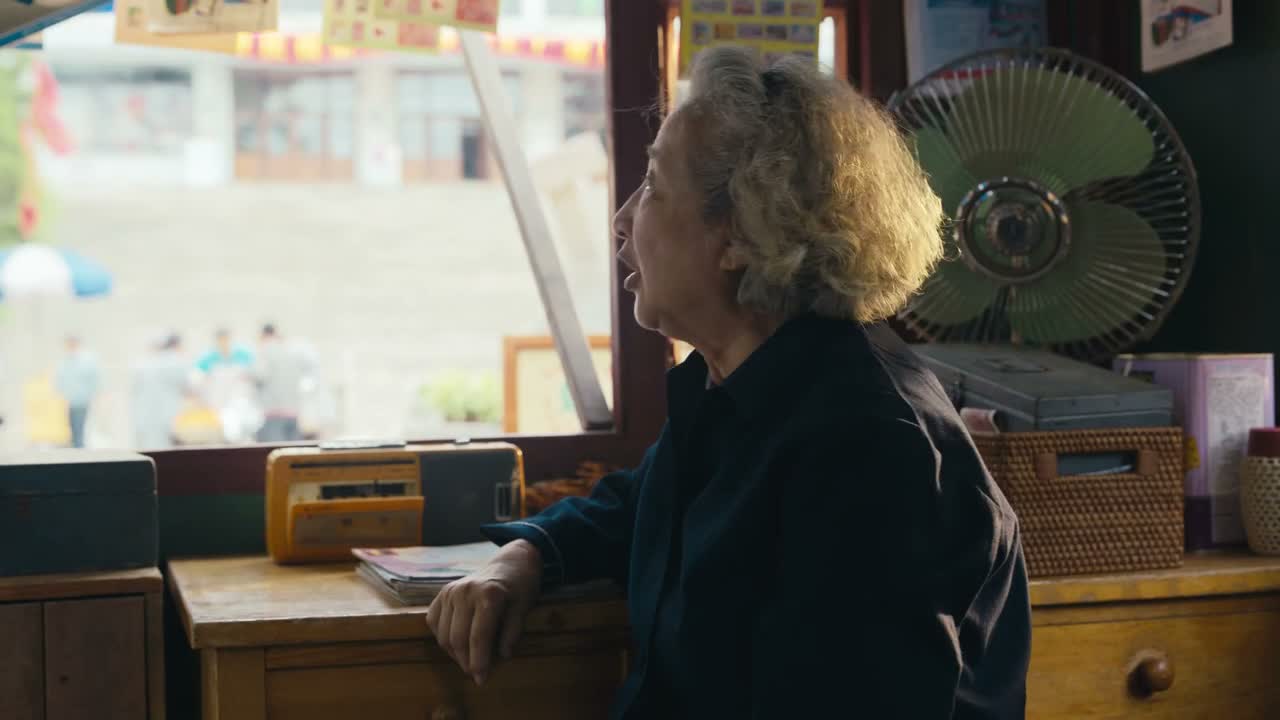
《How Dare You!?》 S1·E13 (35:46) HSK 6
bié chí le kàn kàn ma děng huì er jiě jiě gāi děng zháo jí le

别迟了 看看嘛 等会儿姐姐该等着急了

“We don't want to be late. Just one look. Sister will be worried if we're late.”

《How Dare You!?》 S1·E13
TIMECODE: 35:46 · 1080P MASTER AUDIO

THE DIALOGUE REEL

1+1+1 SPOKEN CONTINUITY
[-1] PREVIOUS TURN zǒu

走

“Let's go.”

bié chí le kàn kàn ma děng huì er jiě jiě gāi děng zháo jí le CURRENT FOCUS

别迟 了 看看嘛 等会儿 姐姐 该 等着急了

“We don't want to be late. Just one look. Sister will be worried if we're late.”

[+1] FOLLOW-UP TURN tài zi diàn xià

太子殿下

“-Your Highness. -Your Highness.”

Subtitles synced to millisecond timecode Browse Show Clips →
Scene: Historical & Court
Function: URGING AND PLEADING
Tone: PLEADING
Emotion: ANXIETY
WHAT THEY REALLY MEAN (PRAGMATIC SUBTEXT)

Direct spoken expression in this communicative setting.

💡 Cultural Insight: Sibling Dynamics and Seniority

Respecting an elder sibling's schedule and avoiding making them wait is a common manifestation of family hierarchy and consideration in Chinese culture.

INTENT TAGS: #urging #coaxing #time_sensitivity #hedging
🧩

LEARNING CHUNKS & PARTICLES

2 CHUNKS · 2 PARTICLES
别迟了 SPOKEN CHUNK

do not be late

A colloquial imperative commonly used to urge companions to hurry up.

等得着急 SPOKEN CHUNK

to become anxious while waiting

A vivid state complement structure used to express restlessness caused by waiting too long.

Modal Particle「嘛」 (ma) CHANGE OF STATE

Softens the imperative to sound coaxing, playful, or pleading rather than demanding.

Modal Particle「了」 (le) CHANGE OF STATE

Indicates a newly anticipated change of state or situation.
🏮

VOCABULARY & EXPRESSIONS

4 EXPR · 1 GRAMMAR
CROSS-CINEMA CORPUS BOARD · PARALLEL SCENES

Parallel Spoken Cinema Scenes (语义近邻切片)

EXPLORE BY SEMANTIC SIMILARITY
《How Dare You!?》 S1·E13 (35:46) · Authentic Cinema Dialogue Corpus