你们听懂了吗 没有 没有 听不懂就对了
“Did you understand it? - No. - No. That's right.”
THE DIALOGUE REEL
我怎么就听不懂呢
“but I just don't understand it.”
你们 听懂了 吗 没有 没有 听不懂就对了
“Did you understand it? - No. - No. That's right.”
我才华有限
“My talent is limited.”
“Don't feel bad if you don't get it; my work is far too profound or eccentric for ordinary comprehension anyway.”
Chinese speakers often pre-emptively dismiss criticism or confusion with humorous, self-justifying logic to preserve social ease.
LEARNING CHUNKS & PARTICLES
it makes sense if you don't understand; not understanding is entirely normal
A witty spoken pattern '...就对了' used to affirm that an unexpected or confusing result is actually the right outcome.
Transforms the statement into a direct yes-no question to prompt the audience's reaction.
Indicates a settled evaluation or conclusion in the colloquial phrase '就对了'.
VOCABULARY & EXPRESSIONS
Parallel Spoken Cinema Scenes (语义近邻切片)
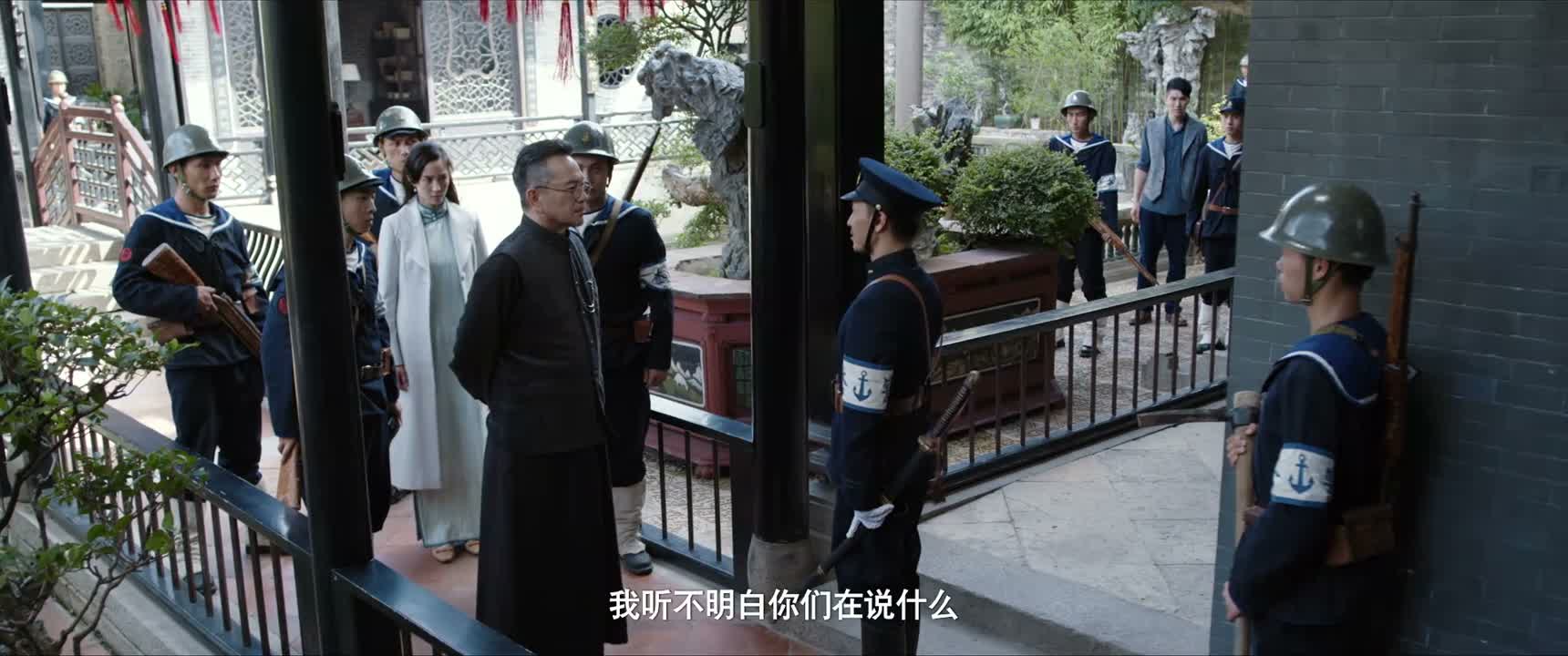
“I don't understand what you're saying”

“Come on. Whoever does well will become permanent.”

“do you understand? I'm not... I understand.”

“Do you all understand now? - Yes. - Yes. No problem?”

“Is that clear, boys? Wait. How come I don't get it?”

“You're not supposed to. Just eat.”