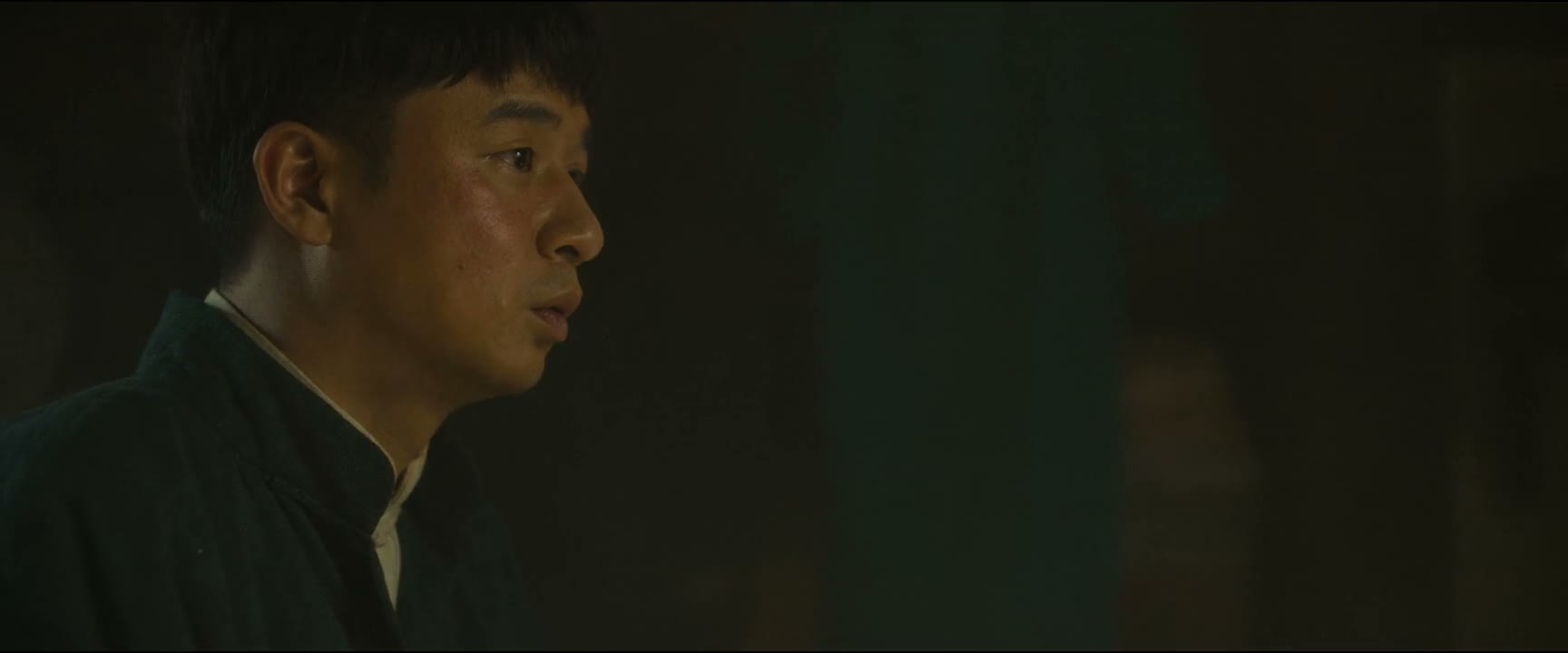
你明白吗 我不是 我听明白了
“do you understand? I'm not... I understand.”
THE DIALOGUE REEL
叔
“Mr. Bei,”
你明白吗 我不是 我 听明白了
“do you understand? I'm not... I understand.”
你不是她的孩子
“You're not her child.”
Direct spoken expression in this communicative setting.
In Chinese culture, uncovering true biological lineage directly impacts family duty, social standing, and ancestor veneration.
LEARNING CHUNKS & PARTICLES
do you understand?
Commonly used in heated or emotional exchanges to ensure the listener grasps the gravity of a situation.
understood clearly / got the message
A standard resultative complement indicating successful comprehension of spoken words.
Forms an urgent yes/no question checking the listener's comprehension.
Marks the completion and current realization of understanding.
VOCABULARY & EXPRESSIONS
Parallel Spoken Cinema Scenes (语义近邻切片)

“Did you understand it? - No. - No. That's right.”
“I... I understand. I understand.”

“Understood.”