讲道理吗 不讲道理嘛 别在这儿嚷嚷
“Is it fair? It makes no sense! Stop yelling here.”
THE DIALOGUE REEL
讲道理吗你们说
“Tell me. Is this fair?”
讲道理 吗 不讲道理 嘛 别 在这 儿 嚷嚷
“Is it fair? It makes no sense! Stop yelling here.”
到业务科找业务科去
“Take it to the Business Department.”
“You're the one being unreasonable, so shut your mouth and get lost.”
In Chinese dispute mediation, invoking 'reason' (daoli) serves as a moral high ground to delegitimize the other party's emotional outbursts or disruptive behavior.
LEARNING CHUNKS & PARTICLES
to be reasonable, to listen to reason
Commonly used in disputes to appeal to shared norms of fairness or to accuse the other party of irrationality.
to yell, to make an uproar, to clamor
Colloquial and derogatory term used to describe loud, disruptive complaints or shouting.
Forms a rhetorical question challenging the validity of the previous speaker's claim.
Marks an obvious assertion, emphasizing that the interlocutor is clearly failing to be reasonable.
VOCABULARY & EXPRESSIONS
Parallel Spoken Cinema Scenes (语义近邻切片)

“Be reasonable, okay? How am I not?”

“Are you saying I'm unreasonable?”

“Do you even make sense? - What do you mean? - Sit down.”
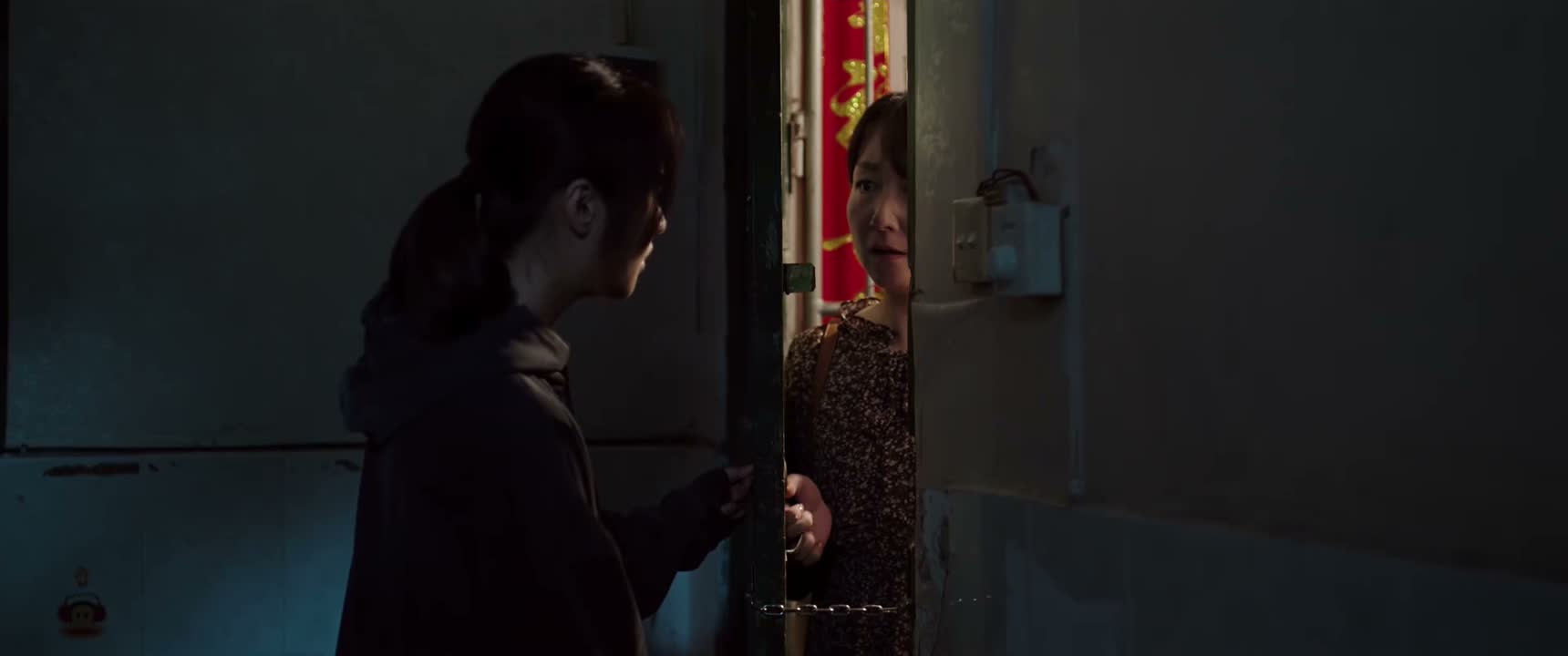
“You can't be so unreasonable.”
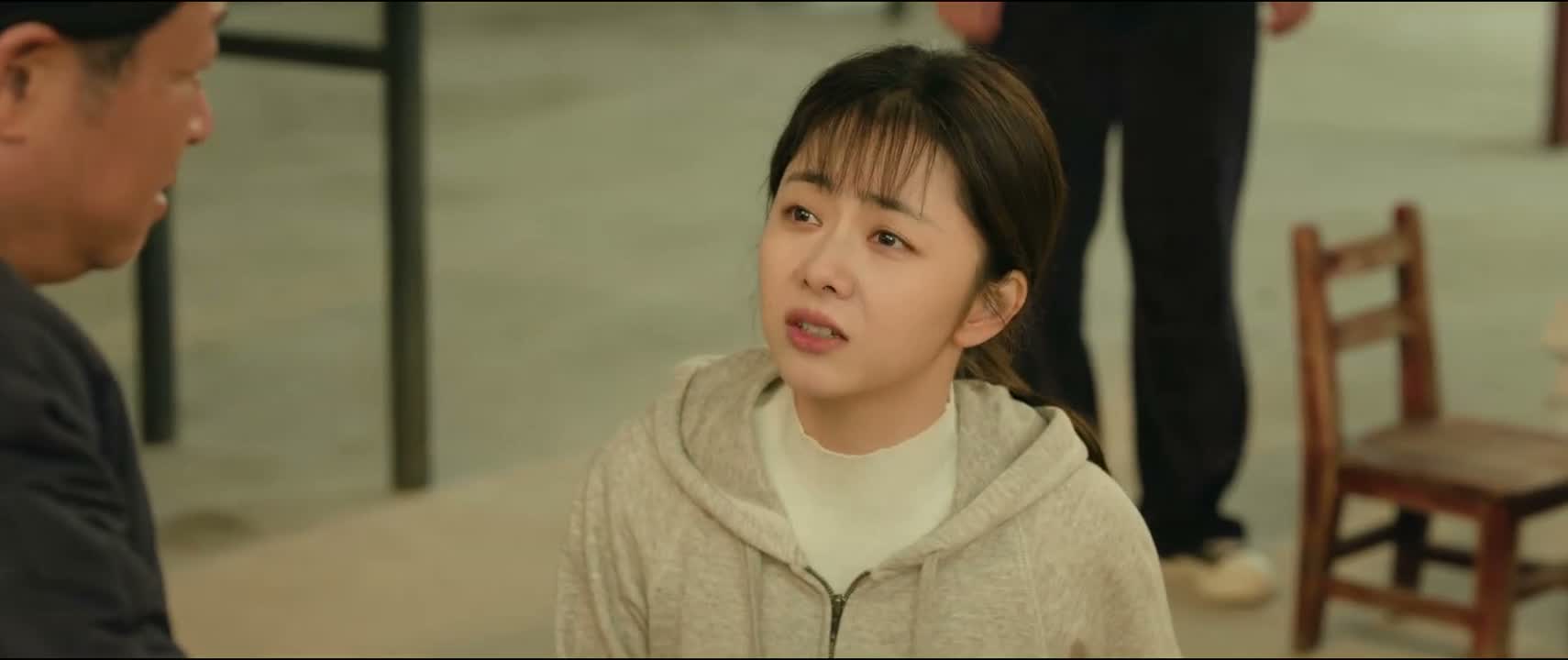
“will be reasonable. Right.”

“Me? I'm being unreasonable? Now it's me who's being unreasonable?”