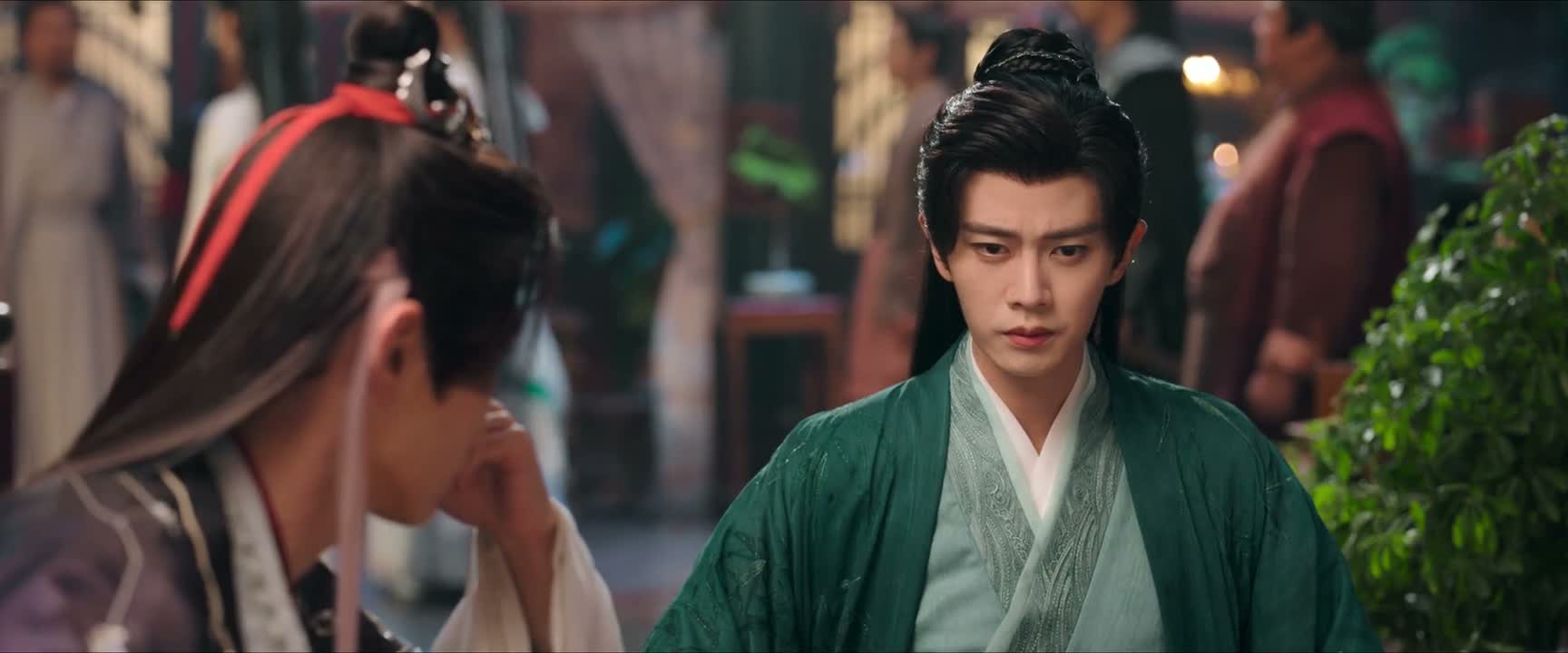
你是哪儿来的仙长 为何在此作乱?
“What "immortal master" are you, stirring up trouble here?”
THE DIALOGUE REEL
骗到我们醉仙楼来了
“This street con man is scamming free food at our place!”
你是 哪儿来的 仙长 为何 在此作乱?
“What "immortal master" are you, stirring up trouble here?”
神南山下 无妄仙长
“Immortal Master Wuwang from Mount Shennan.”
“Identify yourself and explain why you are trashing our place, or face the consequences.”
In historical fantasy contexts, addressing someone by an honorable Daoist title like 'Immortal Master' while directly accusing them of misconduct creates sharp dramatic irony.
LEARNING CHUNKS & PARTICLES
where did [someone/something] come from
Commonly used in spoken Chinese to express skepticism, annoyance, or bewilderment toward an unexpected person or event.
to cause trouble; to create chaos
A literary yet commonly dramatized term in historical or fantasy contexts describing disruption or rebellion.
VOCABULARY & EXPRESSIONS
Parallel Spoken Cinema Scenes (语义近邻切片)

“What immortal master? He's a fraud!”

“A psychic? That's all nonsense.”

“Go. Bring that Immortal Master from today to me.”

“Where'd they come from? From someone”

“Who is this girl? She isn't a local, huh?”
“Now that all you esteemed cultivators have arrived,”