你这对自己 未曾亲眼所见之事 妄下断语
“You jump to conclusions about things you haven't seen with your own eyes.”
THE DIALOGUE REEL
如果不提前 准备个一两日 根本就做不到
“If they hadn't prepared a day or two in advance, it would have been impossible.”
你这对 自己 未曾 亲眼所见 之事 妄下断语
“You jump to conclusions about things you haven't seen with your own eyes.”
究竟是一时糊涂
“Are you being foolish,”
“You have no proof, so stop spreading groundless conclusions.”
In Chinese debate etiquette, accusing an opponent of claiming knowledge without empirical observation is a potent rhetorical strike against their integrity.
LEARNING CHUNKS & PARTICLES
to jump to conclusions rashly
A formal four-character idiom used to criticize someone for making assertions without solid proof.
seen with one's own eyes
Commonly used in formal or serious disputes to emphasize firsthand empirical evidence.
VOCABULARY & EXPRESSIONS
Parallel Spoken Cinema Scenes (语义近邻切片)
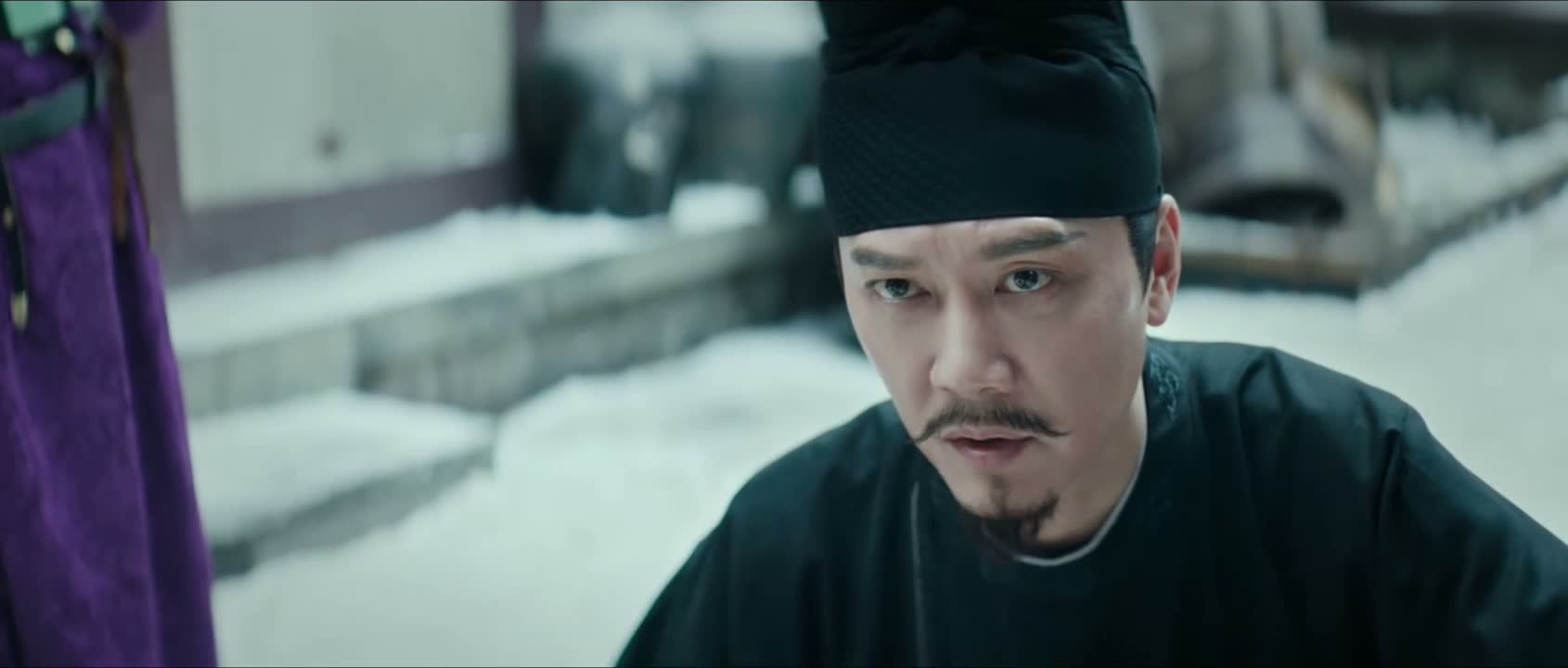
“with your own eyes?”
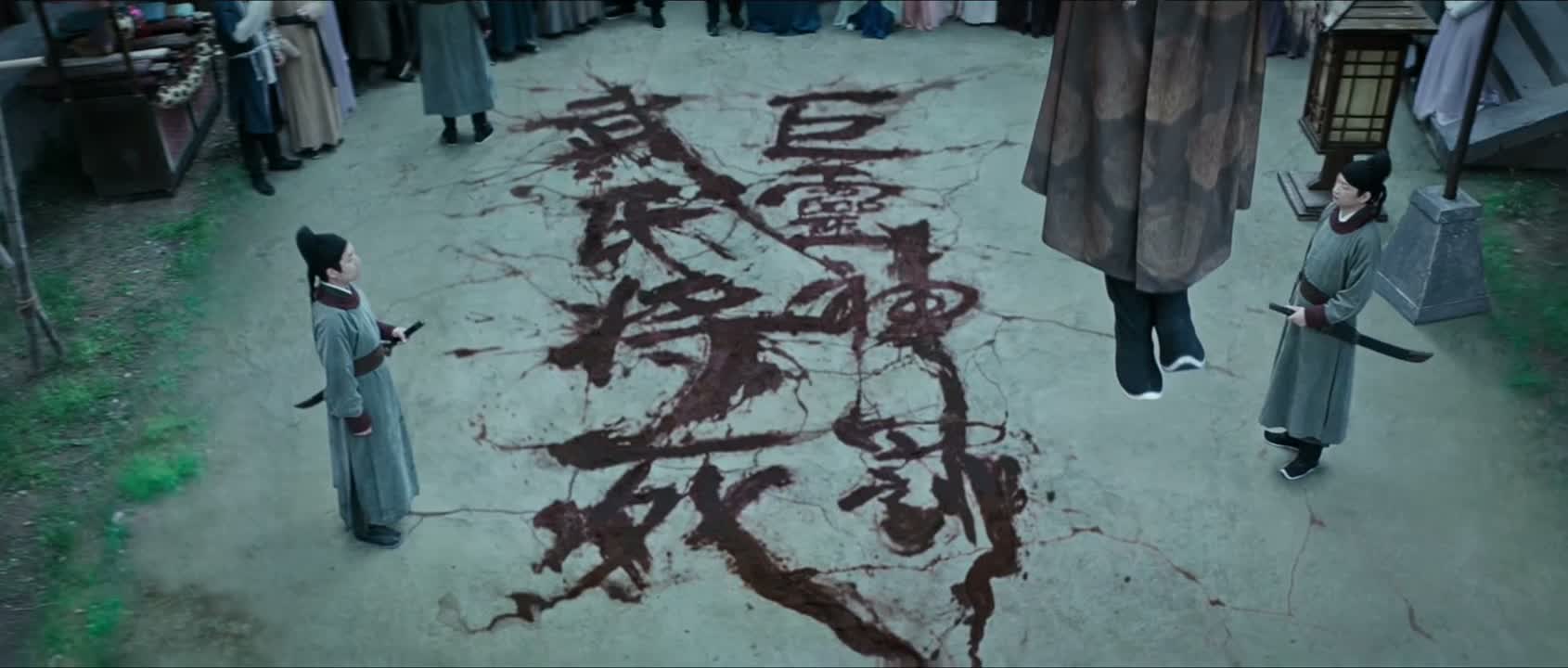
“(The Colossus delivers divine punishment.) I saw it with my own eyes!”
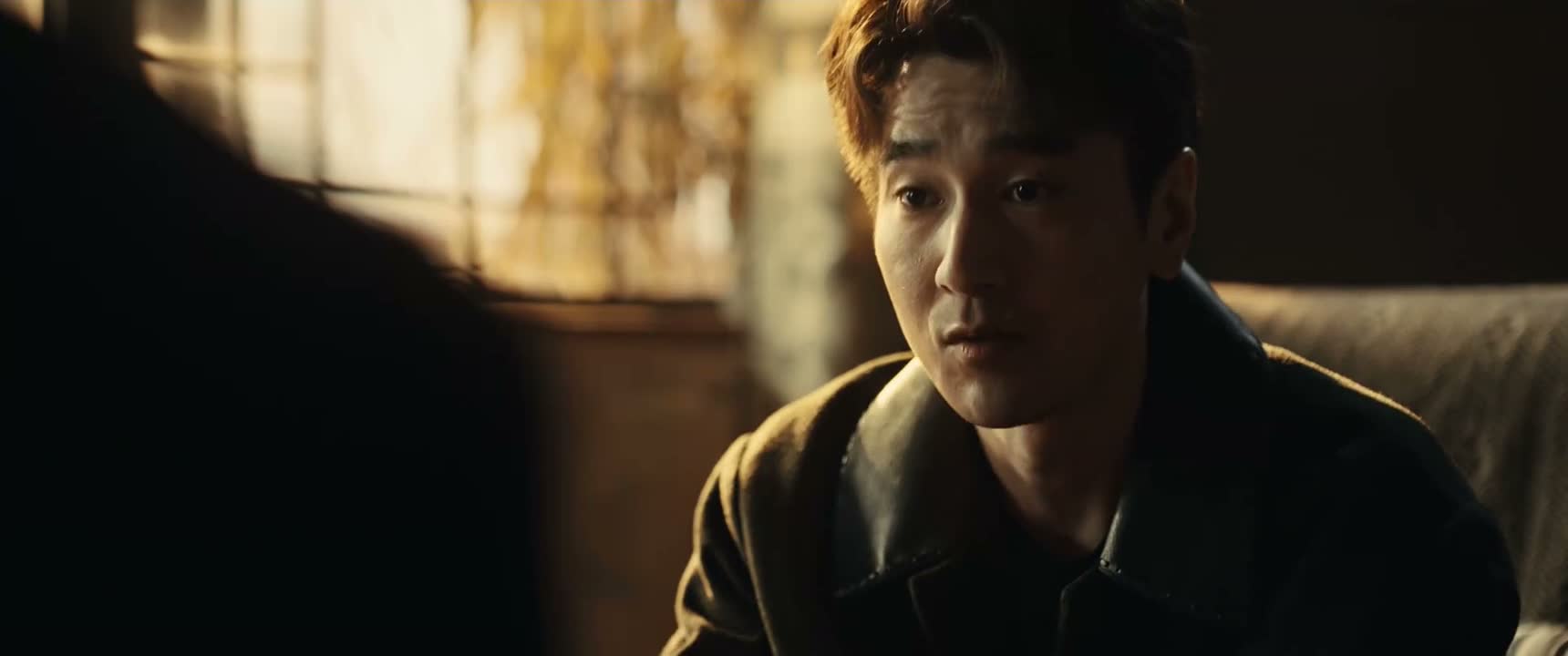
“The person you see in yourself is not you.”

“I saw it with my own eyes.”

“I only believe what I've seen with my own eyes.”

“I'm truly innocent. I know you've been falsely accused.”