MC
MandarinClips Cinema Corpus
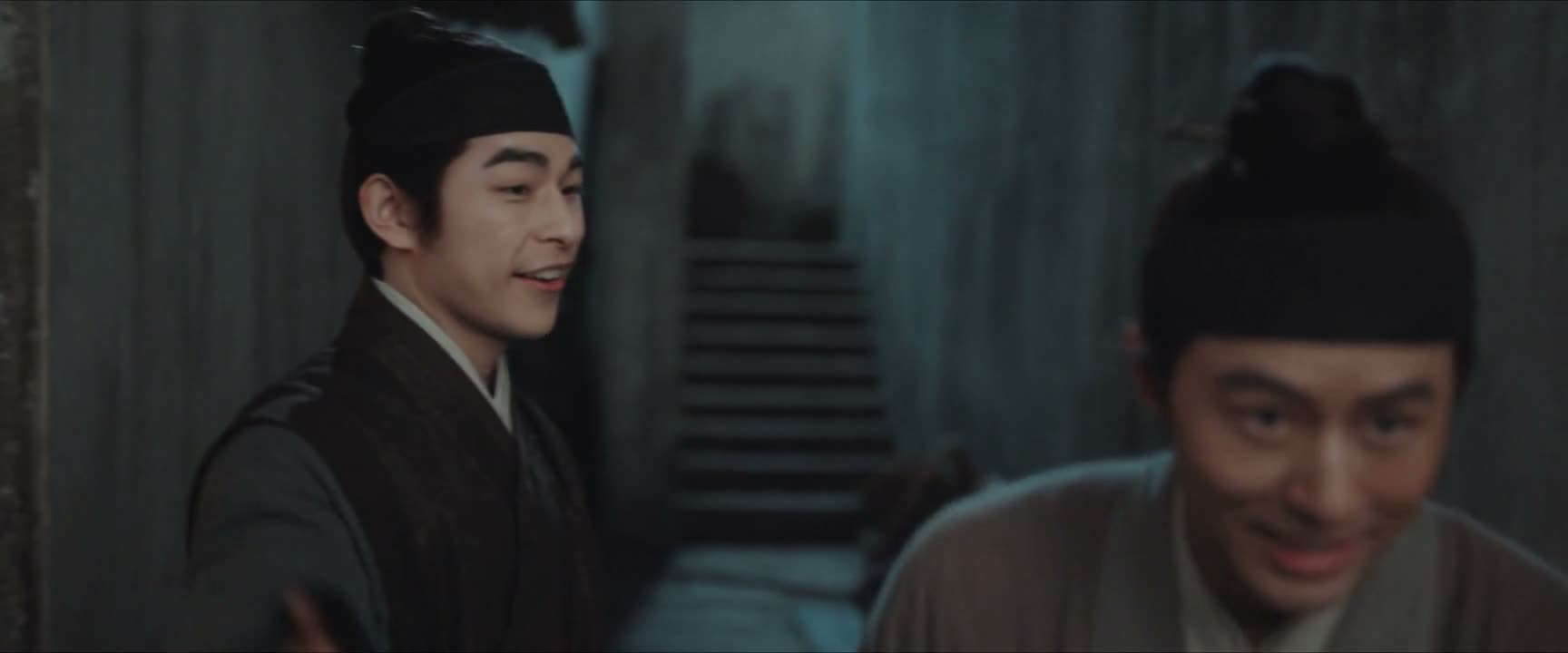
《Love Story in the 1970s》 S1·E21 (21:47) HSK 4
wǒ qí shí gāng gāng jiù xiǎng shuō lái zhe dàn shì wǒ jiù shì pà nǐ wù huì

我其实刚刚就想说来着 但是我就是怕你误会

“I actually wanted to say something, but I was afraid”

《Love Story in the 1970s》 S1·E21
TIMECODE: 21:47 · 1080P MASTER AUDIO

THE DIALOGUE REEL

1+1+1 SPOKEN CONTINUITY
[-1] PREVIOUS TURN xíng

行

“All right.”

wǒ qí shí gāng gāng jiù xiǎng shuō lái zhe dàn shì wǒ jiù shì pà nǐ wù huì CURRENT FOCUS

我 其实 刚 刚 就想说来着 但是 我 就是 怕你误会

“I actually wanted to say something, but I was afraid”

[+1] FOLLOW-UP TURN wǒ duì fèi ní hái yǒu gǎn qíng wǒ cái méi shuō

我对费霓还有感情 我才没说

“you'd think I still had feelings for her.”

Subtitles synced to millisecond timecode Browse Show Clips →
Scene: Social & Dating
Function: JUSTIFYING HESITATION
Tone: PLEADING
Emotion: ANXIETY
WHAT THEY REALLY MEAN (PRAGMATIC SUBTEXT)
“Please do not get mad at me; I was not keeping secrets intentionally, I just did not want drama.”
💡 Cultural Insight: Proactive Clarification to Prevent Suspicion (避嫌)

In Chinese relational dynamics, past romances are delicate territory, prompting speakers to proactively explain delays in communication to prevent jealousy or suspicion.

INTENT TAGS: #self_defense #hedging #clarification #preempting_blame
🧩

LEARNING CHUNKS & PARTICLES

2 CHUNKS · 1 PARTICLES
想说来着 SPOKEN CHUNK

was meaning to say / had intended to mention

A colloquial northern construction with 来着 indicating an intention or past ongoing action that was interrupted or abandoned.

怕你误会 SPOKEN CHUNK

afraid you might misunderstand

Commonly used as a defensive preface before revealing awkward or sensitive information.

Modal Particle「来着」 (laizhe) CHANGE OF STATE

Marks an action or intention situated in the recent past that was left unfulfilled.
🏮

VOCABULARY & EXPRESSIONS

5 EXPR · 1 GRAMMAR
CROSS-CINEMA CORPUS BOARD · PARALLEL SCENES

Parallel Spoken Cinema Scenes (语义近邻切片)

EXPLORE BY SEMANTIC SIMILARITY
《Love Story in the 1970s》 S1·E21 (21:47) · Authentic Cinema Dialogue Corpus