在哪捡的 什么时候 怎么证明
“Where? When? Can you prove it?”
THE DIALOGUE REEL
捡的 捡的
“I found them. Found them?”
在哪捡的 什么时候 怎么证明
“Where? When? Can you prove it?”
费霓 费霓
“Fei Ni! Fei Ni!”
“You didn't just find it—you stole it, and you have no way to prove otherwise.”
Omitting grammatical connectives and firing consecutive wh-questions in rapid succession conveys intense distrust and presses the interlocutor into a corner.
LEARNING CHUNKS & PARTICLES
Where did you find/pick it up?
Uses the 'shi... de' construction to probe the specific location of a completed past action.
How do you prove it?
A sharp, direct challenge used when questioning someone's honesty or alibi.
Part of the cleft construction focusing on the place where the item was supposedly picked up.
VOCABULARY & EXPRESSIONS
Parallel Spoken Cinema Scenes (语义近邻切片)

“When did you find out?”

“If you suspect her, you must find the evidence.”
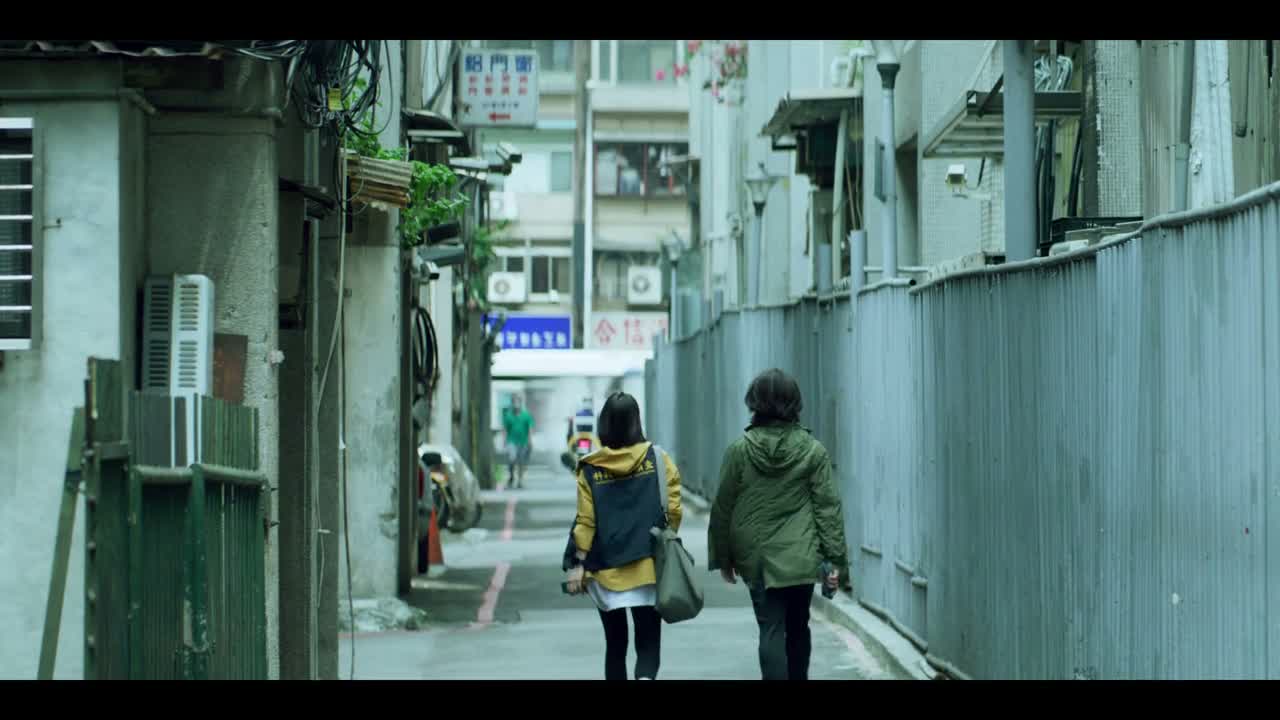
“If you suspect her, you must find the evidence.”

“When did you find out?”
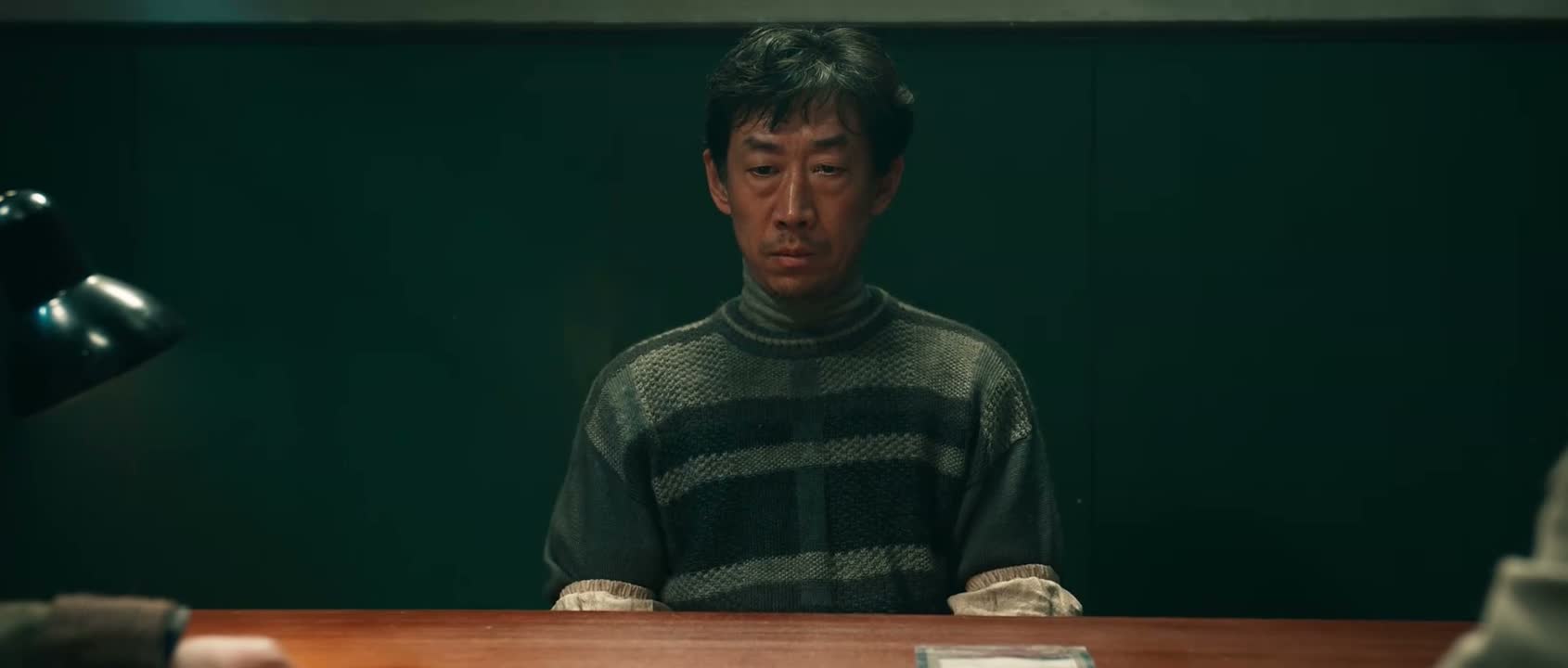
“Tell me where you picked it up.”

“he couldn't confirm when he would be interrogated”