我们就别再责备她 为什么走路不看路了
“Let's not blame her for not watching her step.”
THE DIALOGUE REEL
像是摔了一跤 受了伤
“someone who's taken a bad fall and gotten hurt.”
我们就别再责备她 为什么 走路不看路 了
“Let's not blame her for not watching her step.”
其实她自己
“Actually, she”
Direct spoken expression in this communicative setting.
In Chinese family and peer contexts, elders or observers frequently urge others to refrain from scolding someone who is already suffering from an accident.
LEARNING CHUNKS & PARTICLES
do not ... anymore
Commonly used to urge someone to cease a repeated or ongoing action.
not watch one's step / not look where one is walking
A frequent colloquial description when someone stumbles, trips, or gets distracted while walking.
Indicates a change of state or a plea to cease the ongoing act of blaming.
VOCABULARY & EXPRESSIONS
Parallel Spoken Cinema Scenes (语义近邻切片)
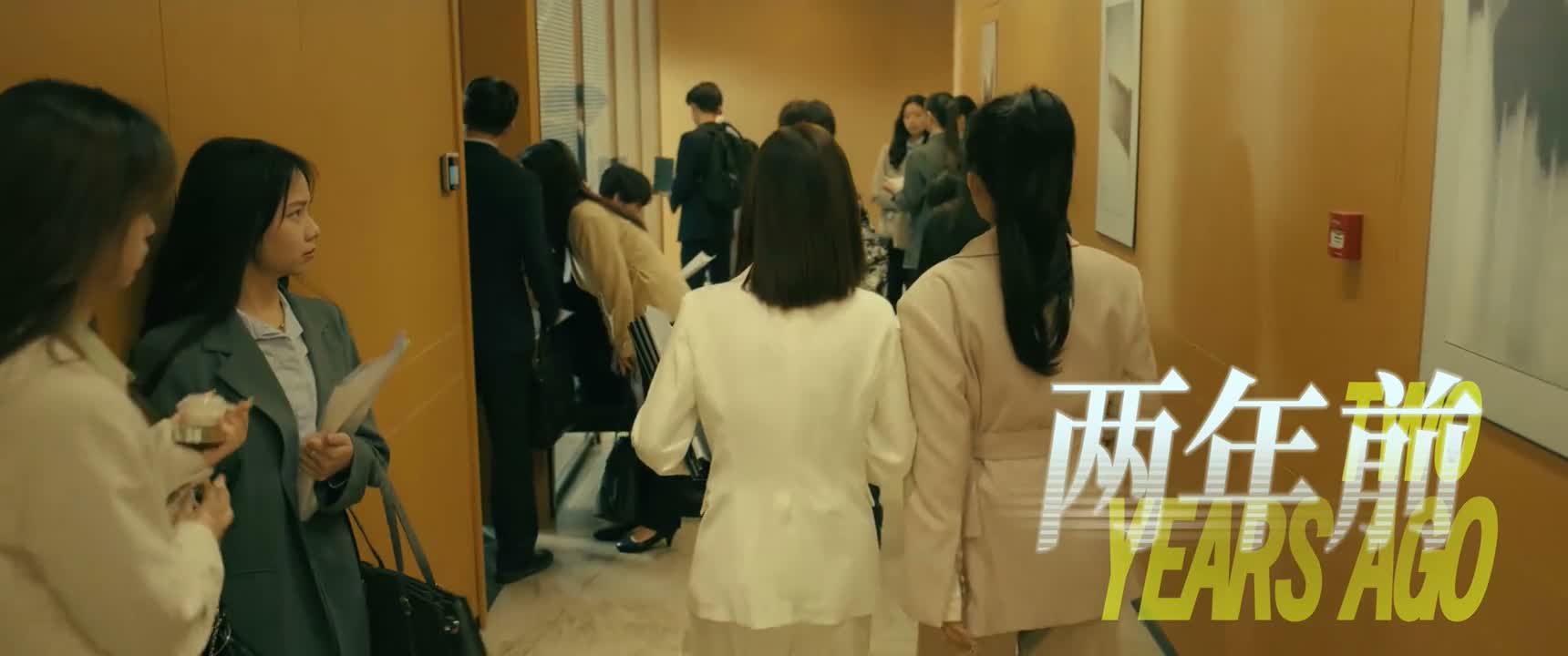
“How can anyone get through? You don't even know the basic rules.”

“Don't blame yourself. She doesn't blame you.”

“Don't let her make so many detours,”
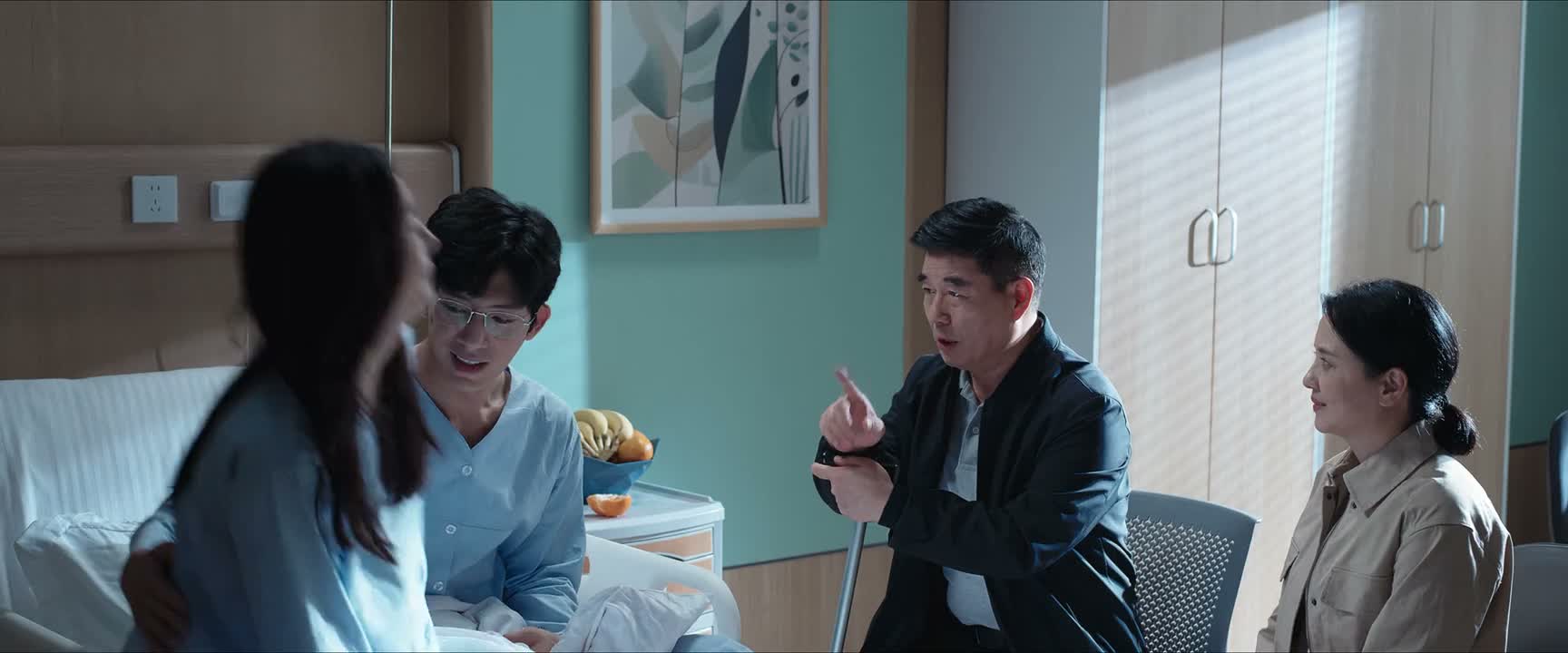
“I'm scolding her, and you're still defending her?”

“She stubbornly insisted that I apologize.”

“Don't take the long way. Cops have it hard too.”