这简直就比六月的飞雪还要冤啊
“This is more unjust than snow falling in midsummer.”
THE DIALOGUE REEL
这不是冤枉我吗
“Isn't this slandering me?”
这 简直 就 比 六月的飞雪 还要 冤 啊
“This is more unjust than snow falling in midsummer.”
十三
“Shisan,”
Direct spoken expression in this communicative setting.
Originating from the Yuan Dynasty drama 'The Injustice to Dou E', midsummer snowfall is the quintessential Chinese cultural metaphor for monstrous, heaven-defying false accusations.
LEARNING CHUNKS & PARTICLES
snow in midsummer; an egregious injustice
An idiomatic allusion to Dou E, universally used to dramatize an extreme false accusation.
simply even more... than
Used to amplify a comparison emphatically in spoken speech.
Expresses heightened emotional intensity and desperate pleading for belief.
VOCABULARY & EXPRESSIONS
Parallel Spoken Cinema Scenes (语义近邻切片)

“no matter how we cry out our grievances at the official gate, or claim to be grievously wronged,”
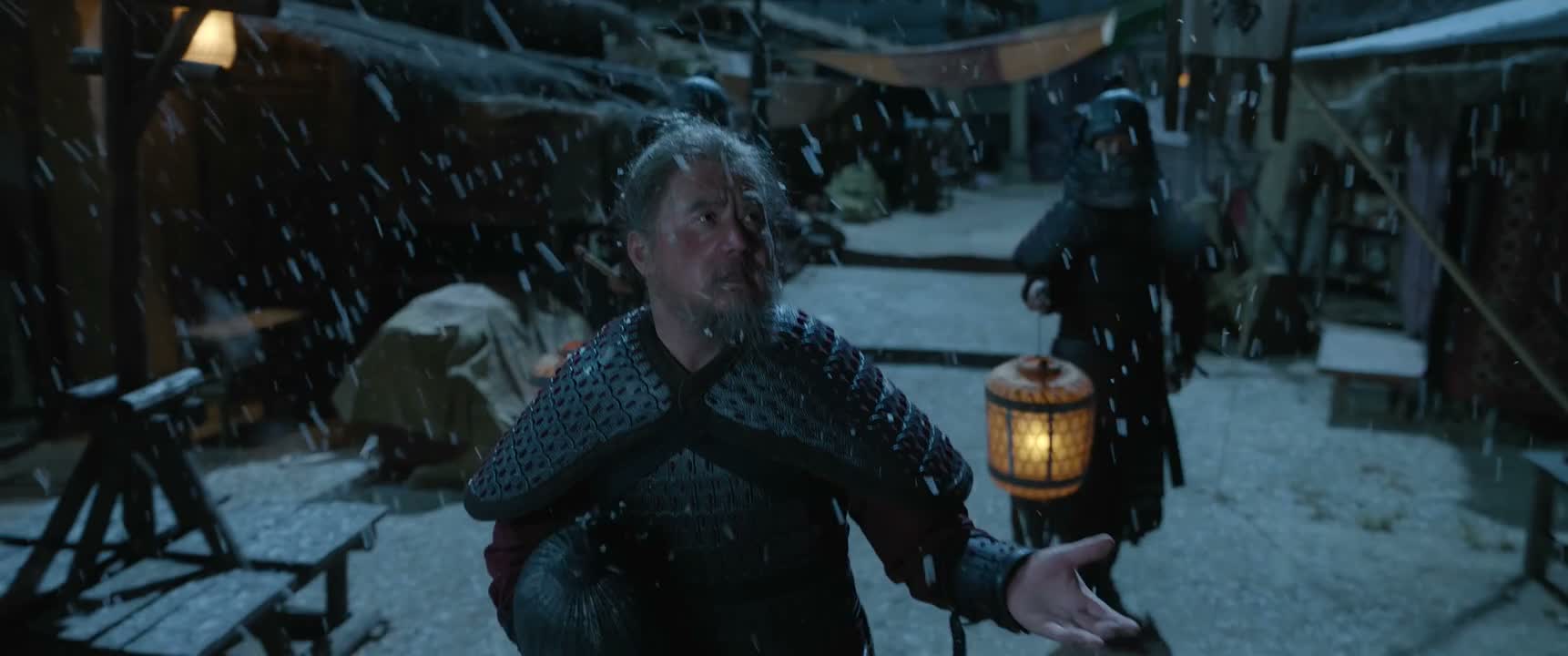
“Is it the season for snowing?”
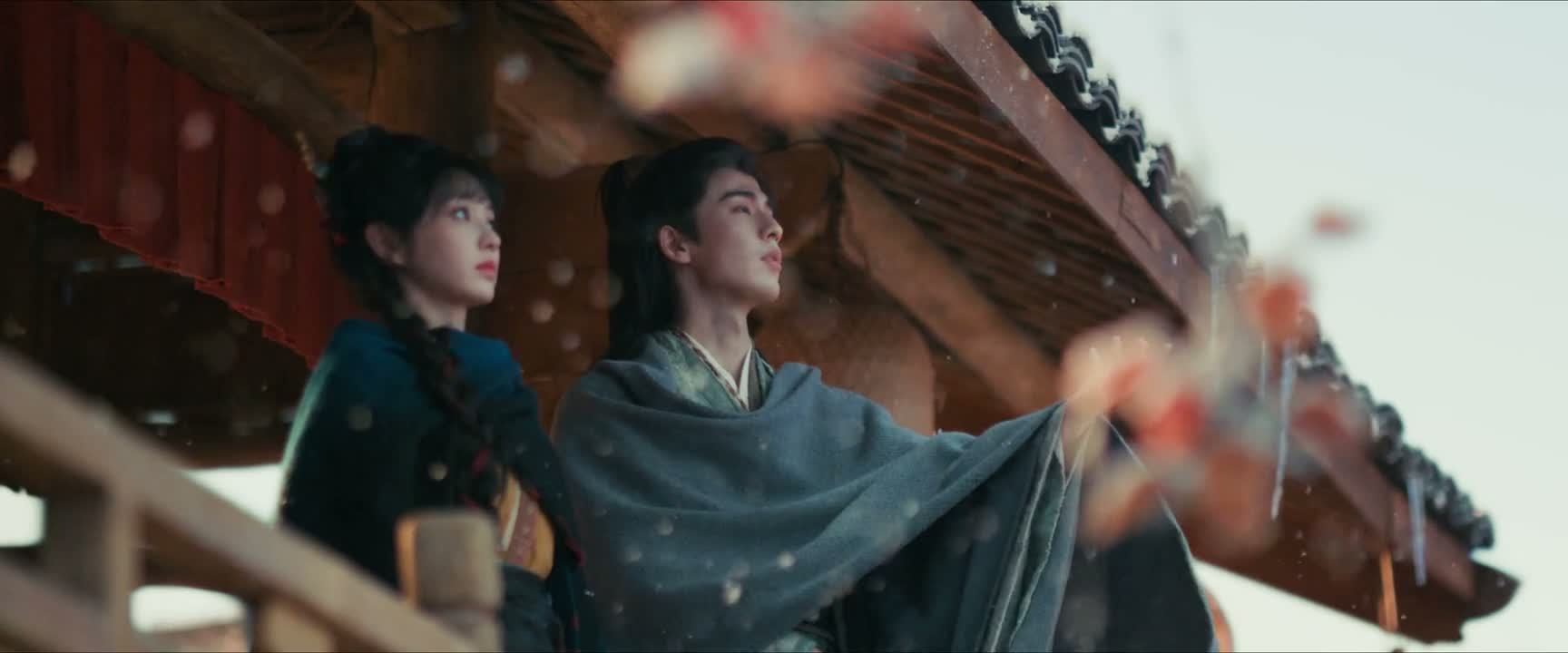
“It's the time of heavy snow again.”
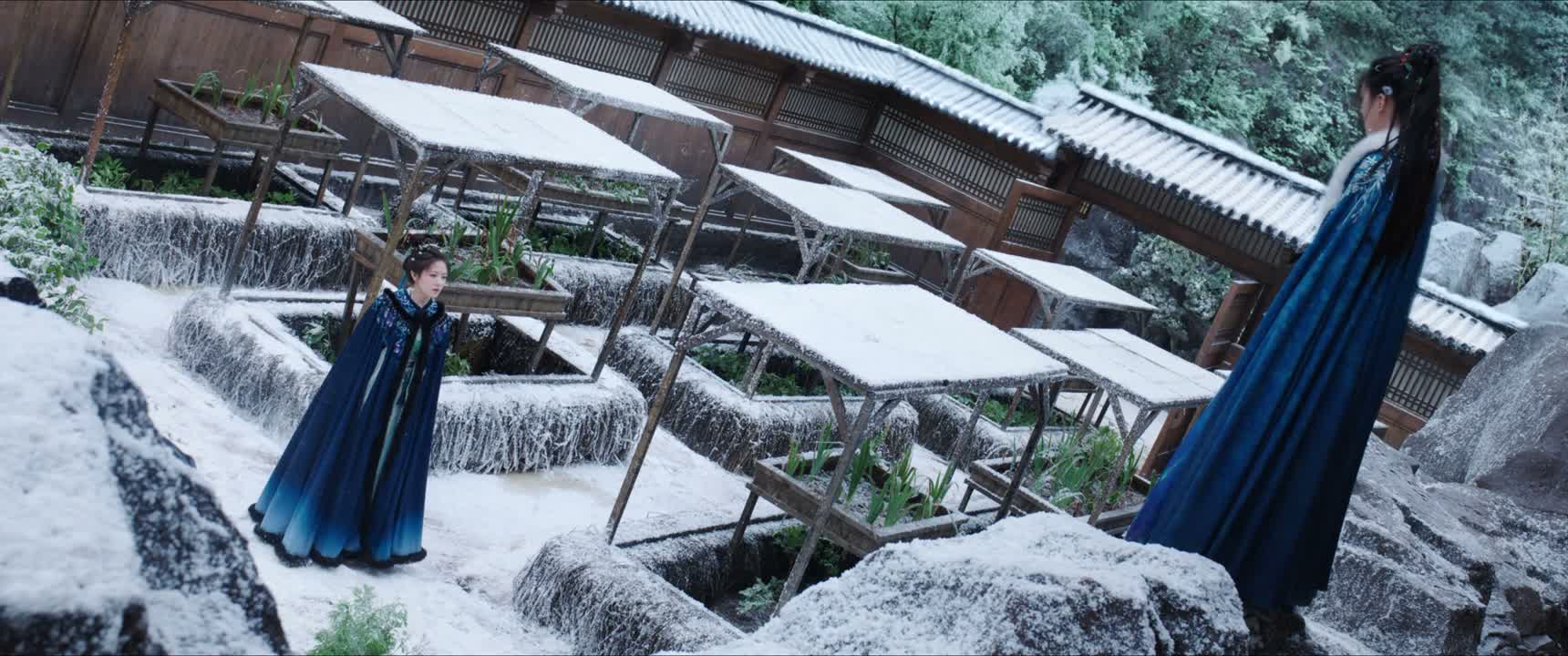
“Why did it have to snow last night?”
“Why is it snowing now?”

“keep Xia Xue locked up like a criminal.”