真是感激不尽 我可没这么说
“I'd be much too grateful. I didn't say that.”
THE DIALOGUE REEL
要是上面的领导 愿意帮忙的话
“If the leader is willing to help,”
真是 感激不尽 我可没这么说
“I'd be much too grateful. I didn't say that.”
王秘书
“Secretary Wang,”
“Do not put words in my mouth; I never agreed to help.”
In Chinese administrative environments, interlocutors frequently twist politeness into tacit approval; officials must swiftly and explicitly state '我可没这么说' to avoid being trapped in reciprocal favors.
LEARNING CHUNKS & PARTICLES
extremely grateful / deeply obliged
A polite idiom used when formally thanking someone or requesting a significant favor.
I certainly didn't say that / don't put words in my mouth
A sharp, spoken colloquial reaction used to deny an allegation or prevent an overreach of expectations.
VOCABULARY & EXPRESSIONS
Parallel Spoken Cinema Scenes (语义近邻切片)

“Instead of feeling thankful, you blame him now.”

“you lending me money. But I really can't take this. Thank you.”

“For your deep affection, I am eternally grateful.”

“We are deeply”

“You should be grateful. Who says I'm not?”

“You feel no gratitude for his kindness,”

“I didn't expect your gratitude.”

“(I said I never expected gratitude from those below me.) (How is that possible?)”

“- I won't appreciate you. - If I wanted to be appreciated,”

“Not everyone appreciates it.”

“I thank him a million times. I will never forget him in my life.”

“If I didn't even have this bit of gratitude, I wouldn't deserve to be a human.”

“You should be thanking me. It's okay. No need to thank me too much.”
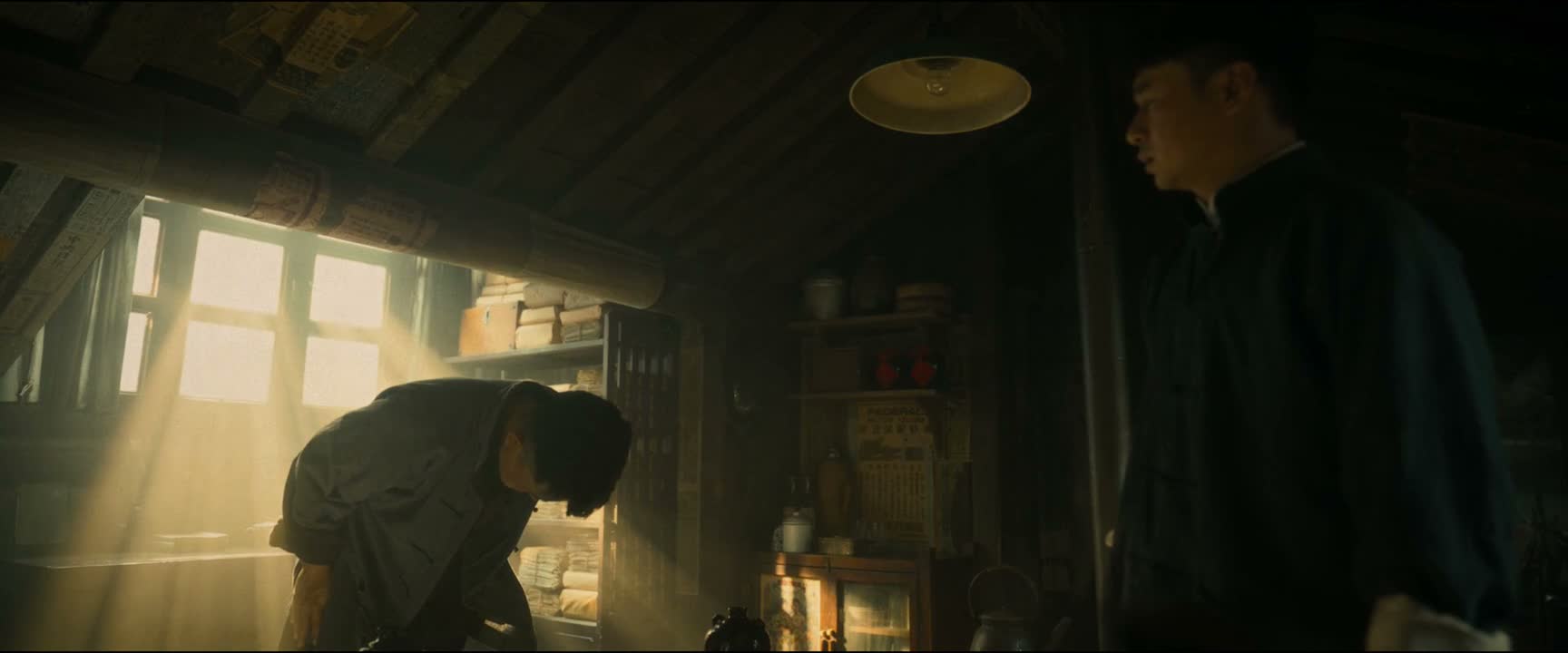
“I'm eternally grateful. No, Blindy, I...”