来了小何 又麻烦你了 没事 畅畅可乖了
“You're here, He. Sorry to bother you. It's okay. Chang got straight”
THE DIALOGUE REEL
静姐
“Jing.”
来了 小何 又麻烦你了 没事 畅畅可乖了
“You're here, He. Sorry to bother you. It's okay. Chang got straight”
“to his homework. Really? Your mother-in-law? Did she get admitted?”
Direct spoken expression in this communicative setting.
In Chinese communities, neighbors frequently help with babysitting, and expressing polite regret about causing trouble reinforces mutual social harmony.
LEARNING CHUNKS & PARTICLES
sorry to trouble you again
A staple conversational formula used to express gratitude and mild politeness when someone helps you repeatedly.
really well-behaved / so obedient
Used colloquially with '可...了' to emphatically compliment a child's or pet's docile behavior.
Functions as a marker of high degree within the '可...了' construction to emphasize the compliment.
VOCABULARY & EXPRESSIONS
Parallel Spoken Cinema Scenes (语义近邻切片)
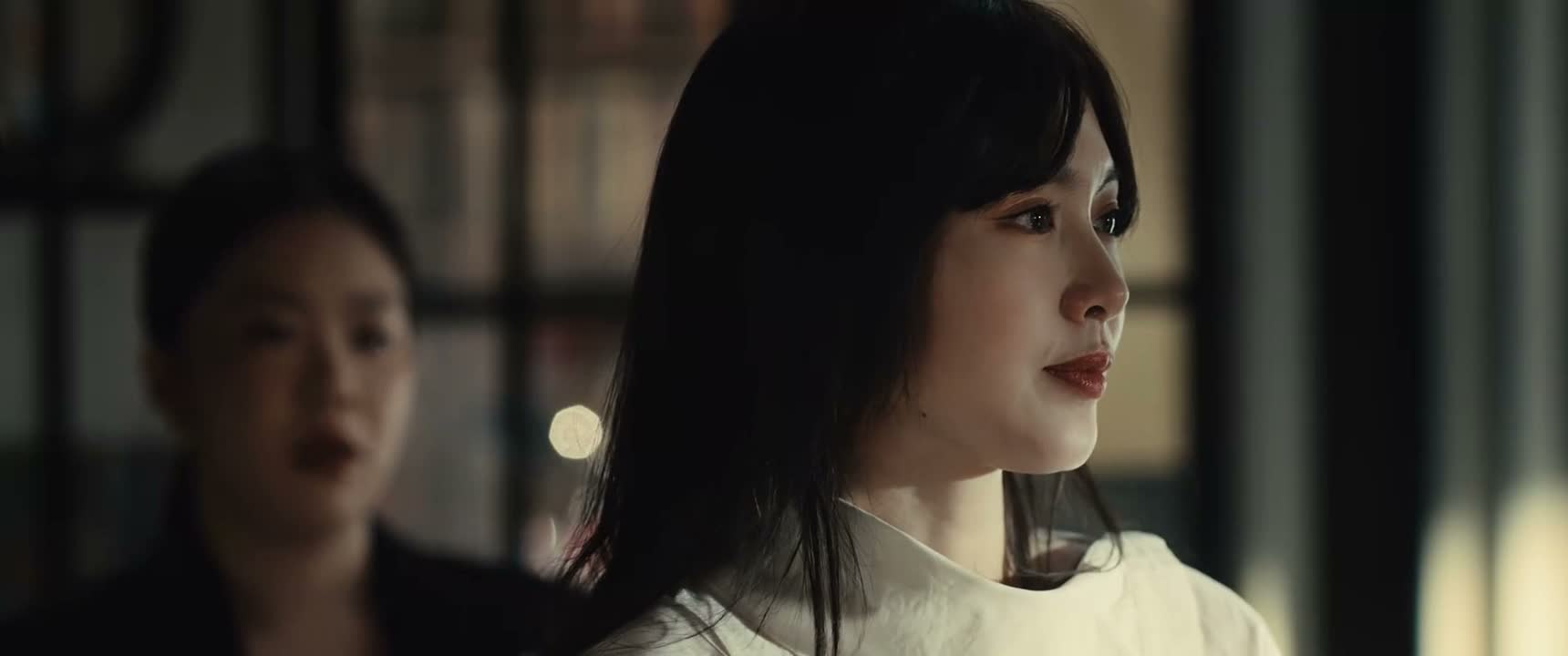
“Otherwise, you call He Han”

“What? You're Xiaoming! Give He Yuqiong back to me!”
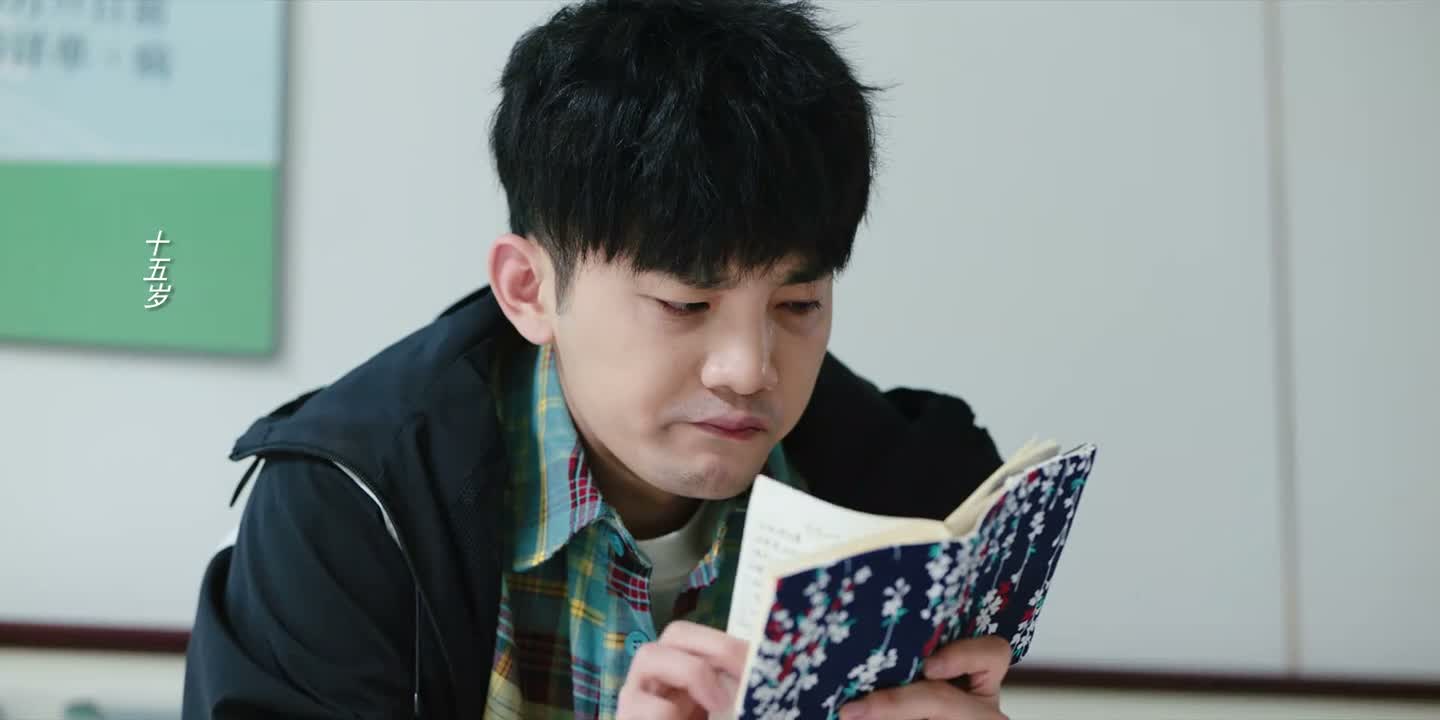
“Xiaocan has been asking for money in different ways lately”

“Xiaohe. Go back to your room. He Yuanhang, where are you?”
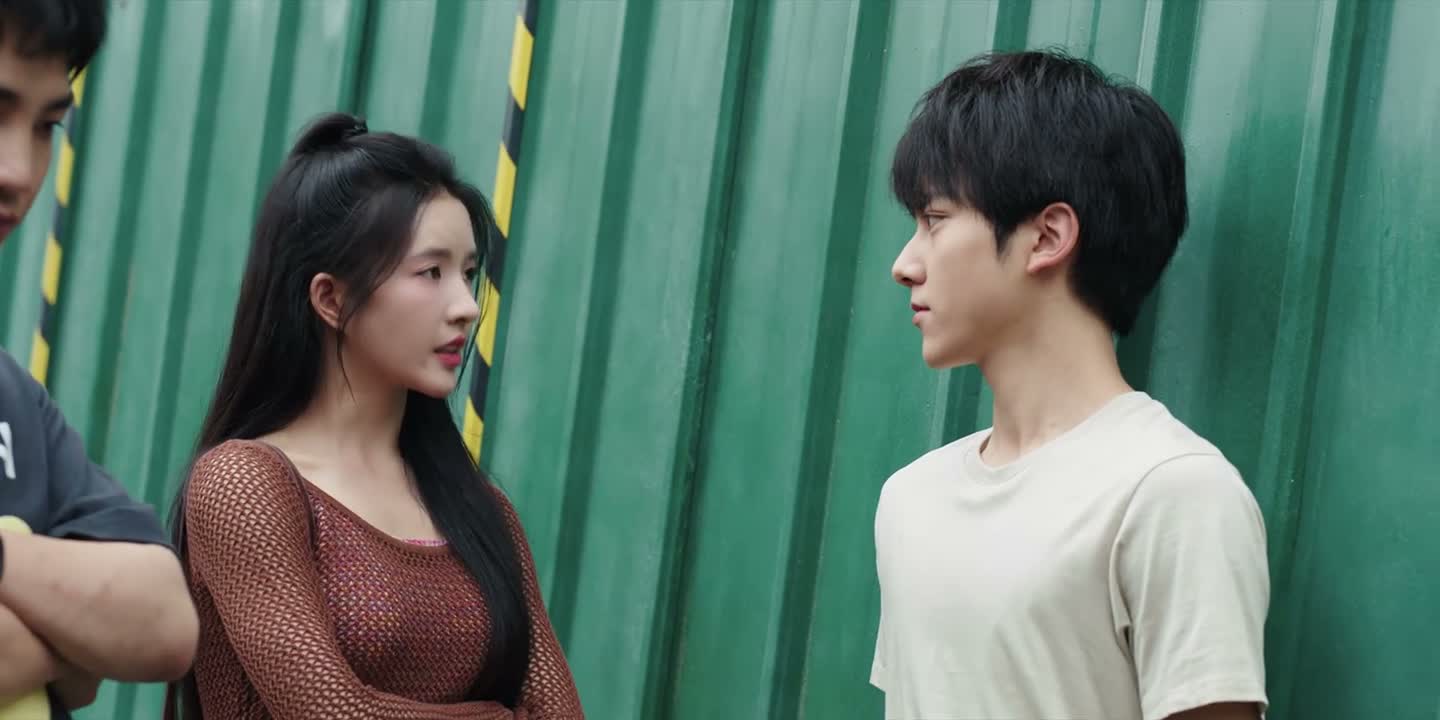
“You absolutely cannot let her remember Xiaocan.”

“Perhaps we should just call you Mr. He.”