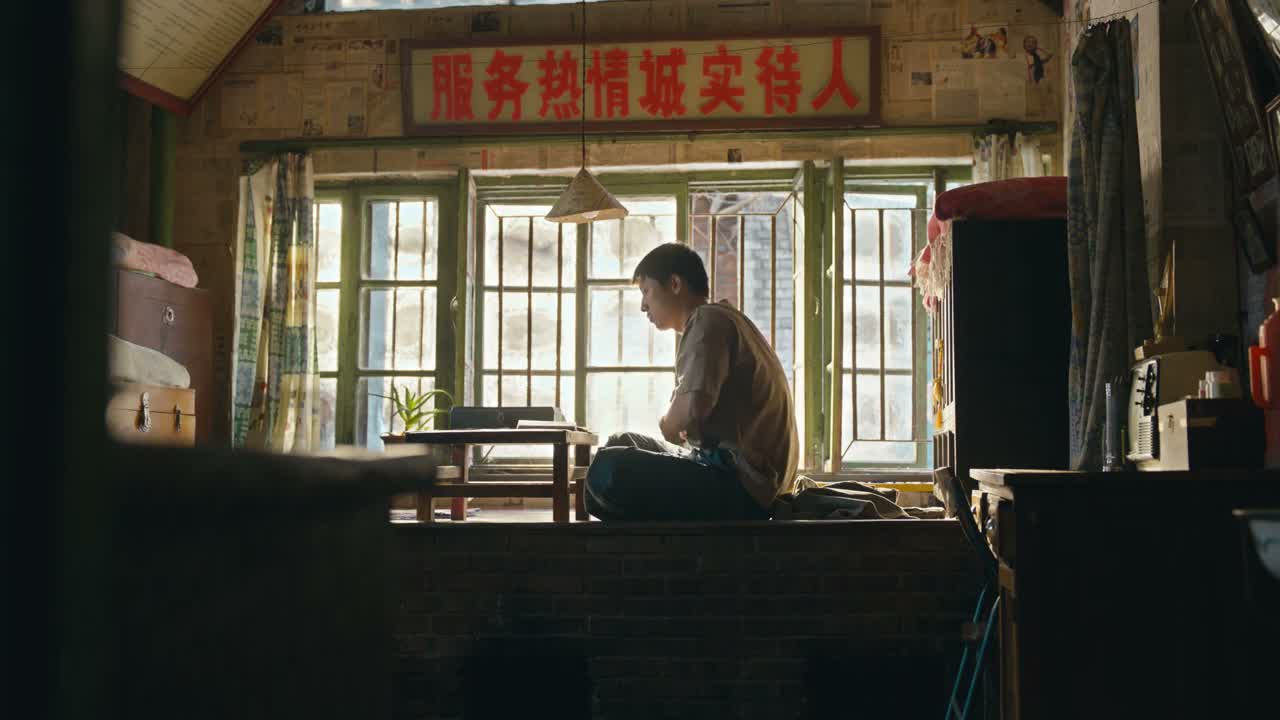
你能不拍了吗 还让人怎么吃饭啊
“Can you stop filming? How am I supposed to eat?”
THE DIALOGUE REEL
拍她 拍她
“Film her.”
你 能不 拍了 吗 还让人怎么吃饭 啊
“Can you stop filming? How am I supposed to eat?”
你还会抽烟呢
“You smoke?”
“Put the phone away and leave me alone, you are ruining my meal.”
In spoken Mandarin, speakers frequently use generalized third-person references like '让人' (let a person) to voice personal frustration in a quasi-objective, complaining tone.
LEARNING CHUNKS & PARTICLES
can you stop doing... / could you not...
A common spoken rhetorical pattern used to express exasperation and demand that someone cease an ongoing action.
how can anyone possibly...
Used to complain about someone else's behavior disrupting normal activities, using '人' (people) to refer to oneself.
Indicates a change of state, functioning here as a demand to cease the ongoing filming.
Marks a rhetorical question that carries strong demand and annoyance rather than seeking information.
Adds emotional intensity and exasperation to the rhetorical complaint.
VOCABULARY & EXPRESSIONS
Parallel Spoken Cinema Scenes (语义近邻切片)

“I'll pass. Come on. Right? You take it.”

“It's OK. You're no longer an actress, so you can eat as much as you want.”

“- You need to finish it. - Stop. - Let me. - Can you stop? I can't eat or drink anything.”

“No, it's alright. - Go ahead. - Come on.”

“You owe me a meal. For what?”
“we can't just have a meal. I need to take her shopping.”