你怎么跟狗抢食呢
“(Why are you fighting with dogs over food?)”
THE DIALOGUE REEL
你 怎么跟 狗 抢食 呢
“(Why are you fighting with dogs over food?)”
“(A single man like me is more pitiful than a stray.)”
“Have some decency and leave some food alone instead of snatching it like an animal!”
Teasing someone about animalistic food habits is common among close Chinese friends to show comfortable familiarity without causing real offense.
LEARNING CHUNKS & PARTICLES
to scramble for food
Literally used for animals fighting over food, but frequently applied playfully to humans who greedily snatch food.
how come you / why do you
A common rhetorical starter to express surprise, bewilderment, or light reprimand.
Softens the rhetorical question into a teasing, informal inquiry rather than a genuine aggressive attack.
VOCABULARY & EXPRESSIONS
Parallel Spoken Cinema Scenes (语义近邻切片)
“I fought military hounds for scraps.”
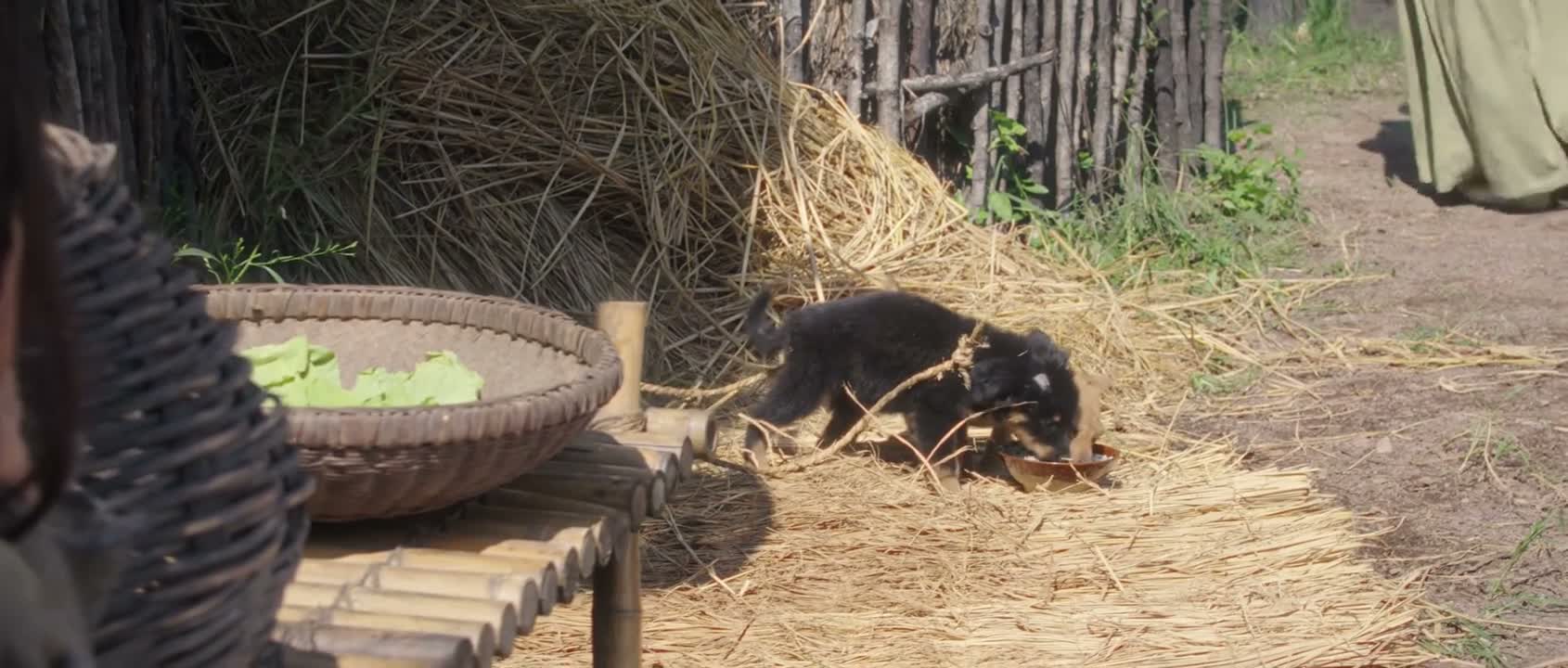
“fighting dogs for scraps like an animal.”

“I am in this condition, and he is still showing off his relationship in front of me.”
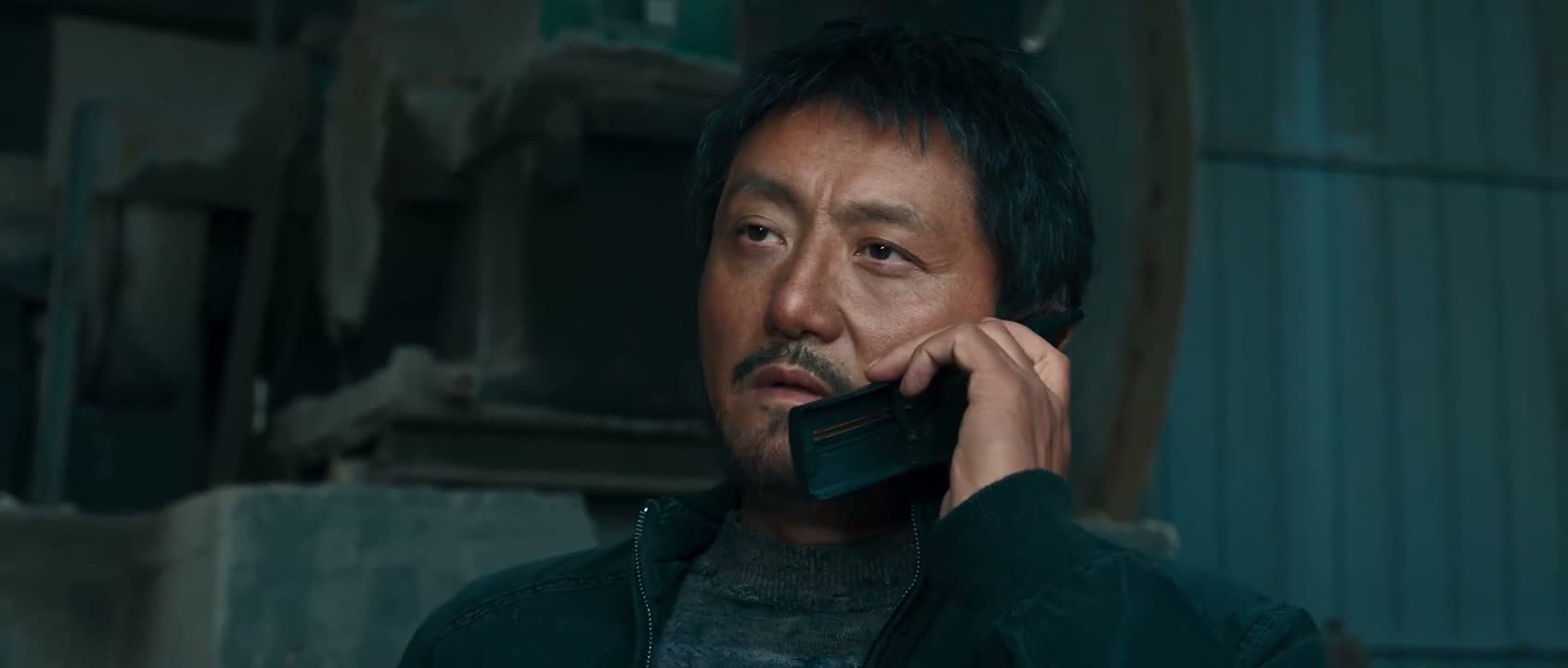
“I'm living like a dog now.”

“He needs to find some biting fighters”

“Why don't you just rob me? You can't say that, Mr. Dog.”