慢点 老胳膊老腿的 还拎这么多东西
“Slow down. With your old arms and legs, you shouldn't carry so many things.”
THE DIALOGUE REEL
慢点 慢点 慢点 慢点
“Slow down. Slow down. Slow down. Slow down.”
慢点 老胳膊老腿 的 还拎 这么多 东西
“Slow down. With your old arms and legs, you shouldn't carry so many things.”
提前回来吃饭 也不打声招呼 还好我买的菜多
“You came back early without telling me. Good thing I bought a lot of groceries.”
“You are too old to be carrying all this heavy stuff, let me help you!”
In Chinese family culture, genuine love and concern are frequently communicated through mild complaining or scolding rather than explicit verbal praise or tenderness.
LEARNING CHUNKS & PARTICLES
old bones; aging body/limbs
A colloquial, self-deprecating or affectionately nagging term used to describe an elderly person's frail or aging body.
to give a heads-up; to say hello or let someone know beforehand
A common idiom used in everyday communication to mean notifying someone before taking an action.
Functions here to mark a state or condition casually, softening the descriptive remark about aging limbs.
VOCABULARY & EXPRESSIONS
Parallel Spoken Cinema Scenes (语义近邻切片)

“Slow down. Not that one. This is bad.”

“Be careful.”

“With these old arms and legs of mine, I can't out-dance those young people.”

“Take care. Got it. You have to give me a time.”

“Slowly, get up. Where does it hurt?”
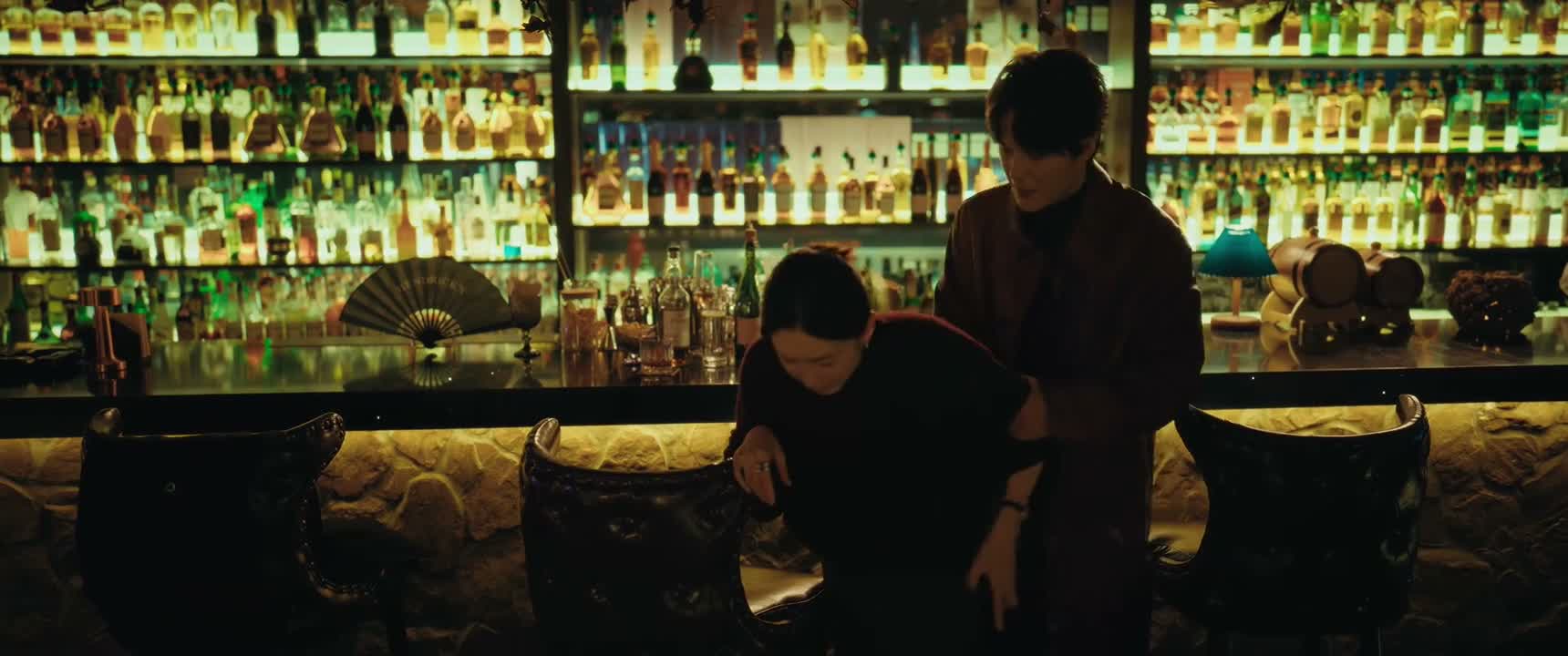
“I help you up? No, I'm fine.”