那是谁给你打的电话呀
“Who called you then?”
THE DIALOGUE REEL
那是谁 给你打 的 电话 呀
“Who called you then?”
电话和短信都是用我爸的手机
“The call and text were both from my dad's phone.”
Direct spoken expression in this communicative setting.
Using 'ya' at the end of an investigative question tempers harshness, often used by investigators or interviewers to encourage cooperation.
LEARNING CHUNKS & PARTICLES
to make a phone call
Standard high-frequency collocation used with the preposition 'gei' (to give a call to someone).
Softens the interrogative tone to sound less aggressive while keeping the inquiry direct.
VOCABULARY & EXPRESSIONS
Parallel Spoken Cinema Scenes (语义近邻切片)
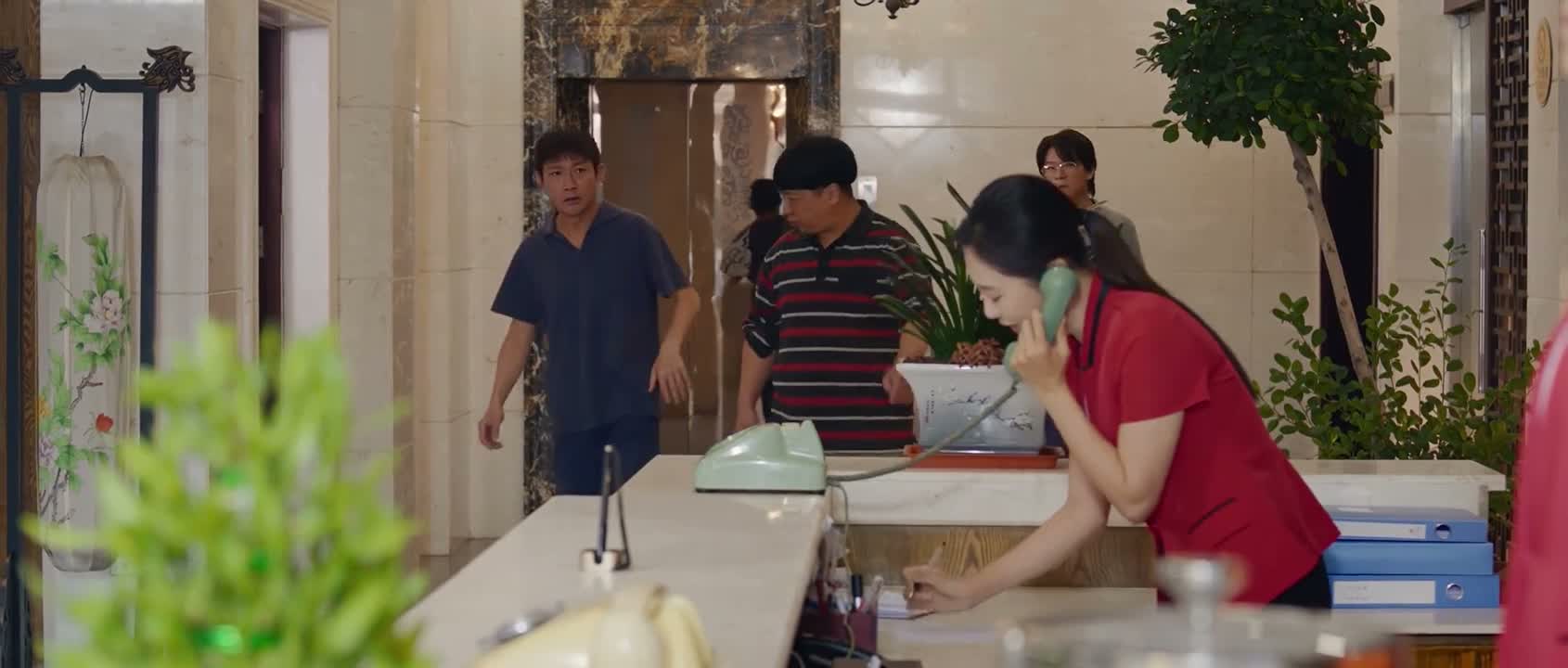
“Just ask who just called.”

“I told you not to call this number.”

“Then why did you call me?”

“Then why did you call me?”

“Then why did you call me?”

“- Hello? - Hello? - Who were you talking to? - Who were you talking to?”