你没事你别老看着 那个手机屏幕
“Don't keep looking at the screen.”
THE DIALOGUE REEL
凌爸说有话要跟我讲
“Mr. Ling said he wanted to talk with me.”
你 没事 你 别老看着 那个 手机屏幕
“Don't keep looking at the screen.”
你看久了眼睛会干的 你要发微信 你语音就好了
“Your eyes will dry if you look at it for too long. If you want to send messages on WeChat, use voice message.”
Direct spoken expression in this communicative setting.
In Chinese familial culture, affection and concern are frequently expressed through practical admonishments and micro-managing daily lifestyle habits.
LEARNING CHUNKS & PARTICLES
when you have free time / when nothing is going on
Used idiomatically at the start of a suggestion to mean 'in your free time' or 'if you have nothing better to do'.
constantly staring at / keep looking at
The adverb '老' combined with continuous aspect '着' expresses mild annoyance or nagging about a repetitive action.
VOCABULARY & EXPRESSIONS
Parallel Spoken Cinema Scenes (语义近邻切片)

“Are you alright? I'm fine.”
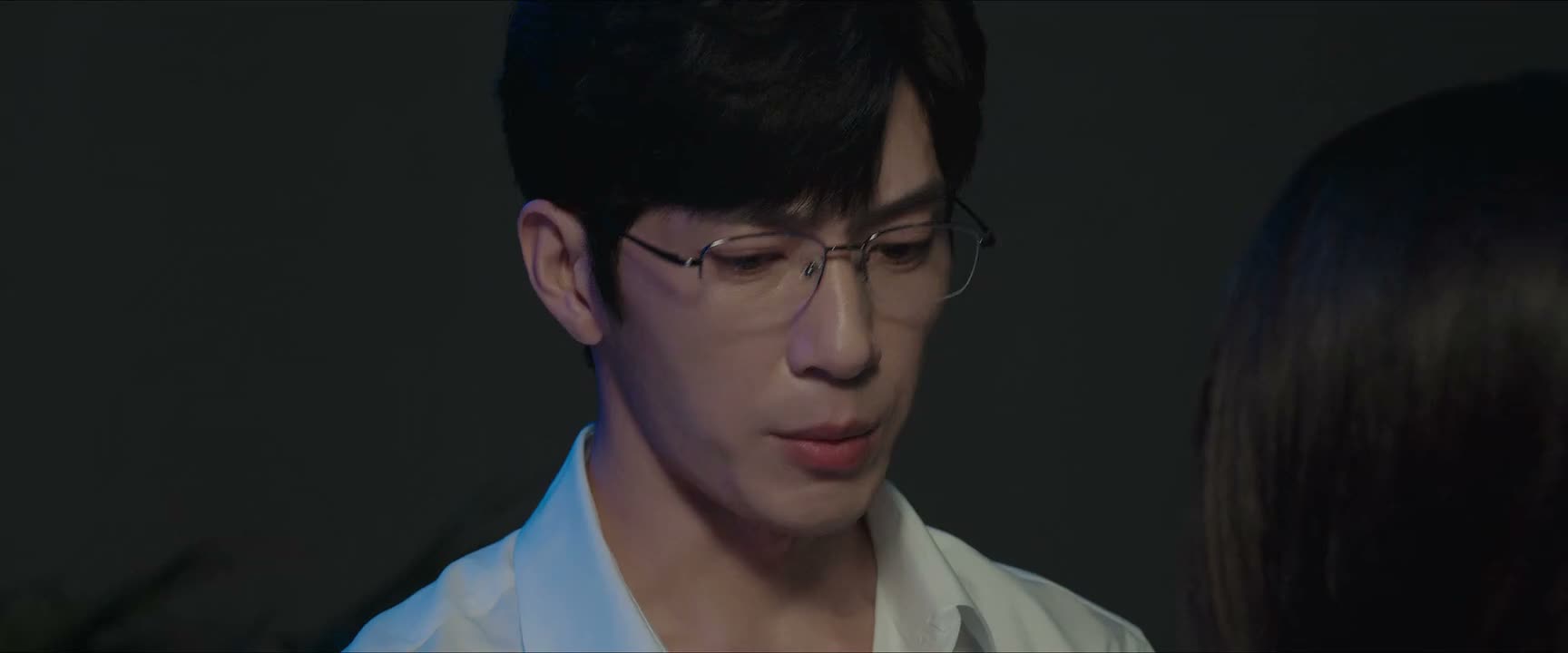
“Are you okay? I'm fine.”

“Can't you talk properly if you're fine?”
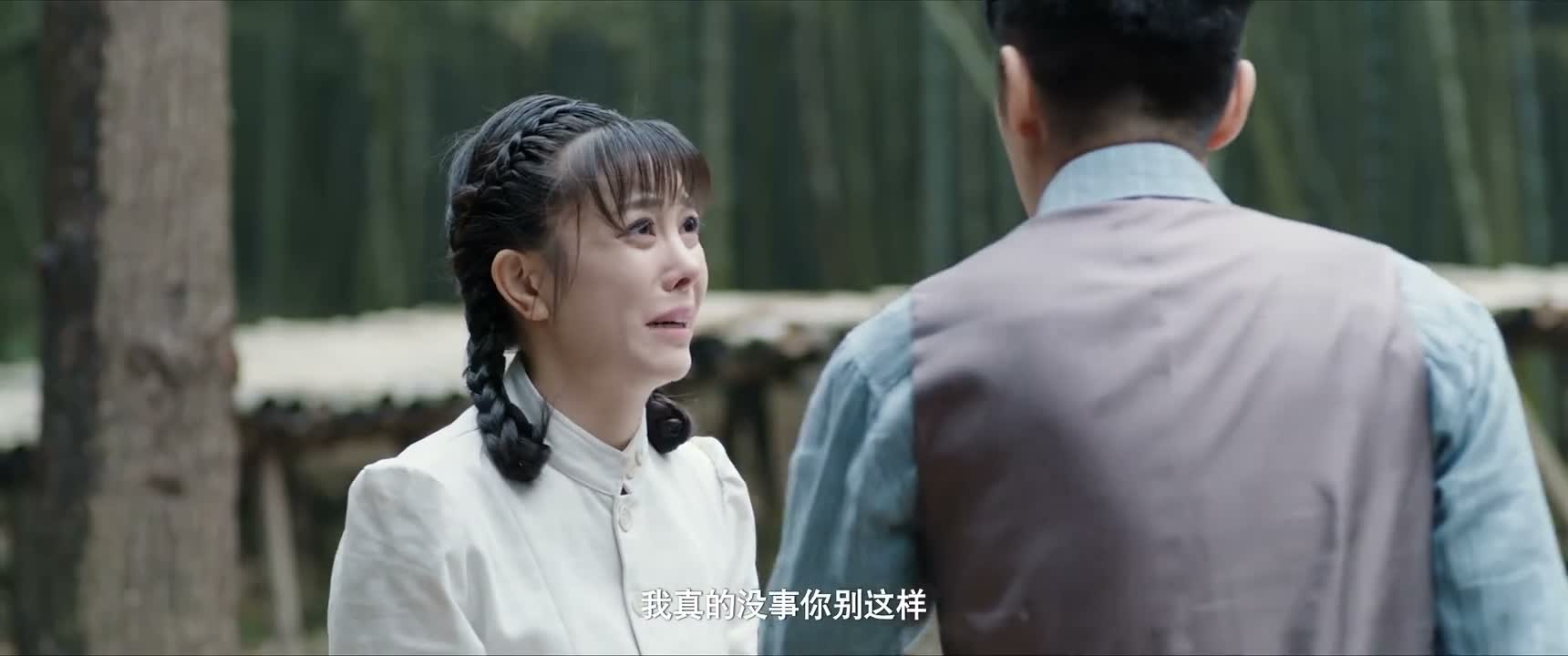
“I'm really fine, don't be like this.”

“It's nothing. Don't worry about me. Let me see. It's fine.”

“Are you alright? Are you alright?”