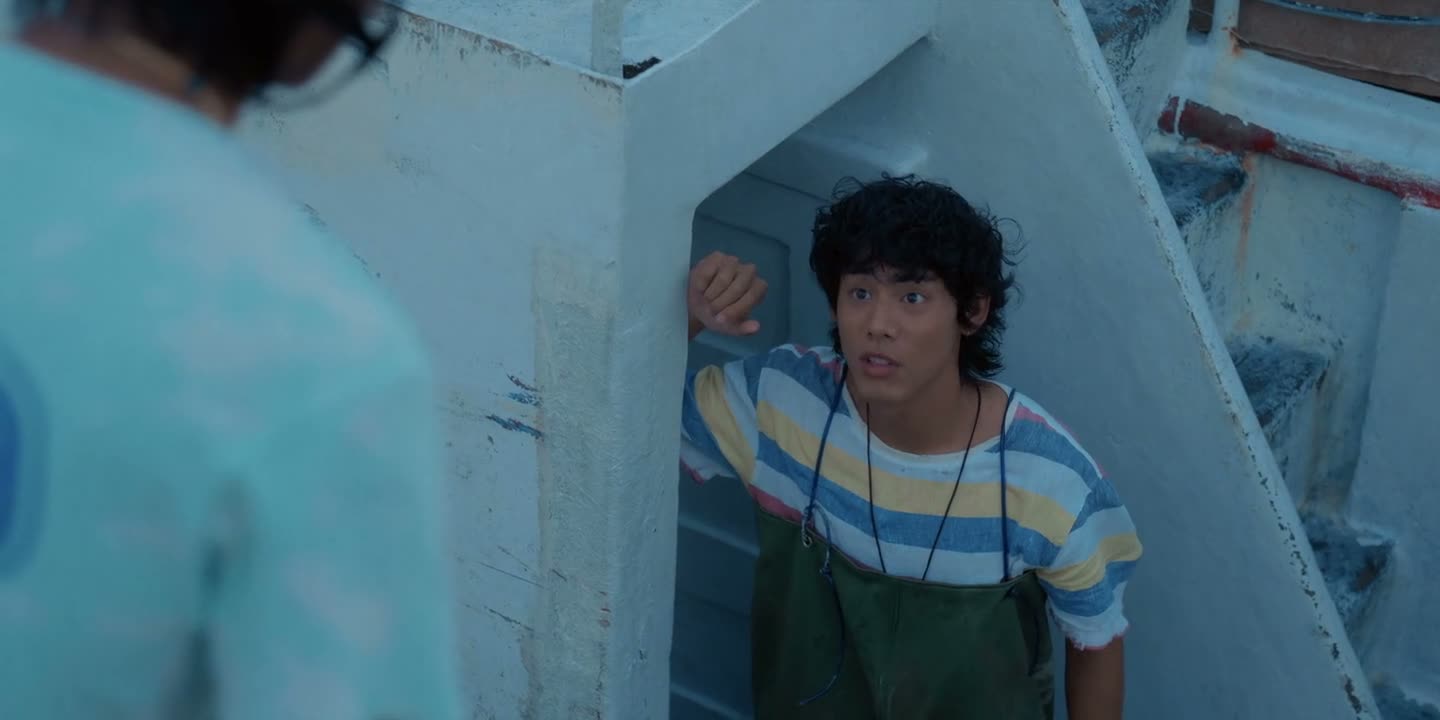
《Go Ahead》 S1·E35 (18:59)
HSK 4
yǒu shén me shì huí lái zài shuō wǒ bú yào dài zài zhè ér
有什么事回来再说 我不要待在这儿
“Let’s talk about it when we get back. I don't want to stay here.”
《Go Ahead》
S1·E35
TIMECODE: 18:59
·
1080P MASTER AUDIO
THE DIALOGUE REEL
[-1] PREVIOUS TURN
è le jiù diǎn wài mài
饿了就点外卖
“If you are hungry, just order some take-out.”
yǒu shén me shì huí lái zài shuō wǒ bú yào dài zài zhè ér
CURRENT FOCUS
有什么事 回来再说 我不要 待在 这儿
“Let’s talk about it when we get back. I don't want to stay here.”
[+1] FOLLOW-UP TURN
zhè ér yì diǎn dōu bù hǎo wán nǐ néng bù néng bù yào nào le wǒ yào shàng bān
这儿一点都不好玩 你能不能不要闹了 我要上班
“It’s boring. Cut it out, OK? I'm going to work.”
Subtitles synced to millisecond timecode
Browse Show Clips →
Scene:
Family & Home
Function:
PROTESTING
Tone:
PETULANT
Emotion:
FRUSTRATION
WHAT THEY REALLY MEAN (PRAGMATIC SUBTEXT)
“I hate this place and refuse to wait here alone, so take me with you.”
💡 Cultural Insight: Throwing a Tantrum (闹情绪 / 耍脾气)
In close Chinese relationships, overt stubbornness and refusal to cooperate are often tolerated as manifestations of emotional dependence rather than outright rebellion.
INTENT TAGS:
#protest
#rejection
#petulance
#resistance
🧩
2 CHUNKS · 0 PARTICLES
LEARNING CHUNKS & PARTICLES
回来再说
SPOKEN CHUNK
talk about it later when back
A standard phrase used to defer a discussion or problem until later.
我不要
SPOKEN CHUNK
I don't want to / I refuse to
A direct, often childish or petulant way to express absolute refusal.
🏮
4 EXPR · 0 GRAMMAR
VOCABULARY & EXPRESSIONS
COLLOQUIAL EXPRESSIONS:
CROSS-CINEMA CORPUS BOARD · PARALLEL SCENES
EXPLORE BY SEMANTIC SIMILARITY
Parallel Spoken Cinema Scenes (语义近邻切片)

《Go Ahead》 S1·E35 (18:59) · Authentic Cinema Dialogue Corpus