这家伙三天两头就发火 咱就不干了
“this guy gets angry every two to three days. Let's stop doing this.”
THE DIALOGUE REEL
自从干了影视行当 你瞅瞅
“Ever since he joined the film industry, look at him,”
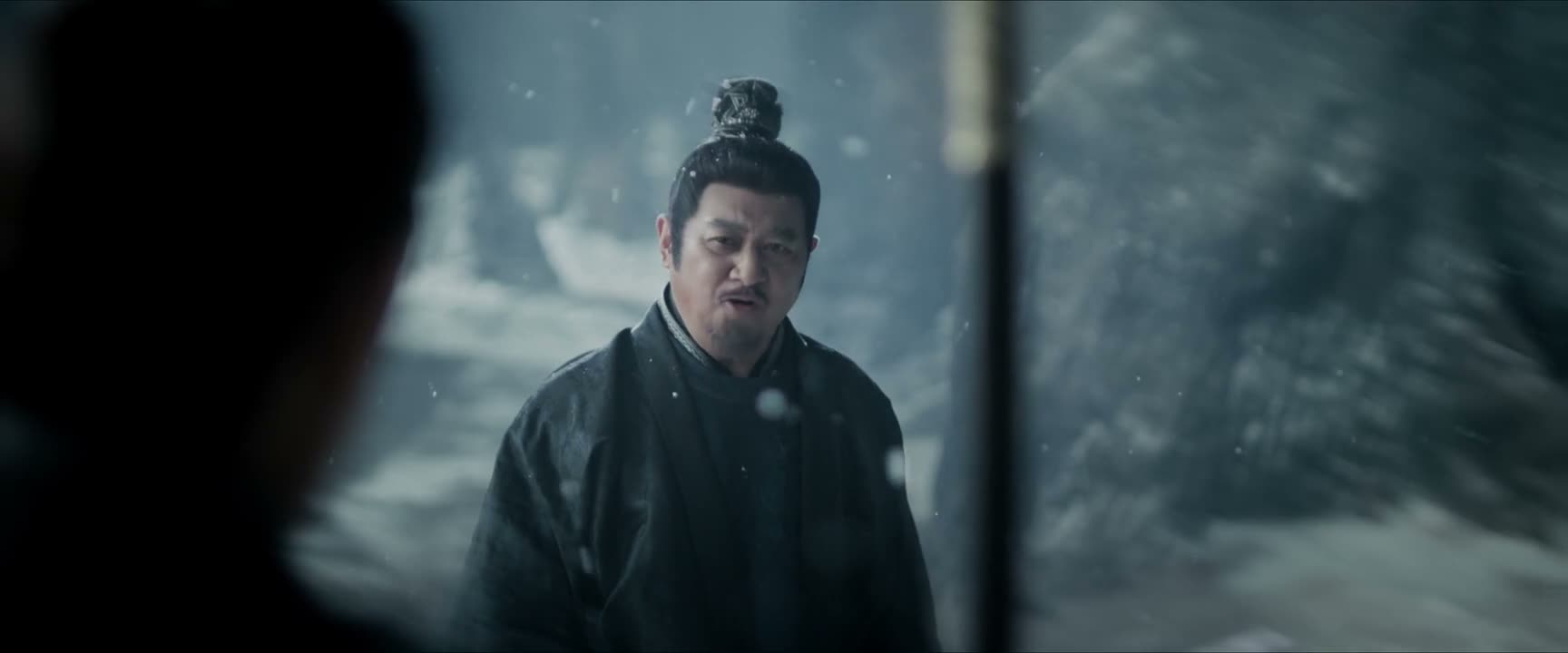
这家伙 三天两头就发火 咱就 不干了
“this guy gets angry every two to three days. Let's stop doing this.”
一会我跟裴总说 我跟谦儿说
“I'll talk to Mr. Pei later. I'll talk to Qian.”
“I'm sick of dealing with his temper tantrums; let's walk out.”
Using '咱' (zan) rather than '我们' (women) fosters an intimate, conspiratorial bond among peers, especially when collectively venting against management.
LEARNING CHUNKS & PARTICLES
almost every day; frequently
An idiomatic colloquial phrase used to complain about something happening far too often.
lose one's temper; get angry
Everyday spoken expression for outbursts of anger.
quit; call it quits
Strong, colloquial way to declare resignation or refusal to continue a frustrating task.
Highlights a decisive change of mind or determination to stop working.
VOCABULARY & EXPRESSIONS
Parallel Spoken Cinema Scenes (语义近邻切片)

“the reason you got so mad that day”

“with such short fuses, okay?”

“You lose your temper thrice a day now. What? Ate gunpowder?”
“is so full of vigor.”

“Why are you taking it out on me?”

“Why did you throw a temper tantrum again? No, I didn't.”